
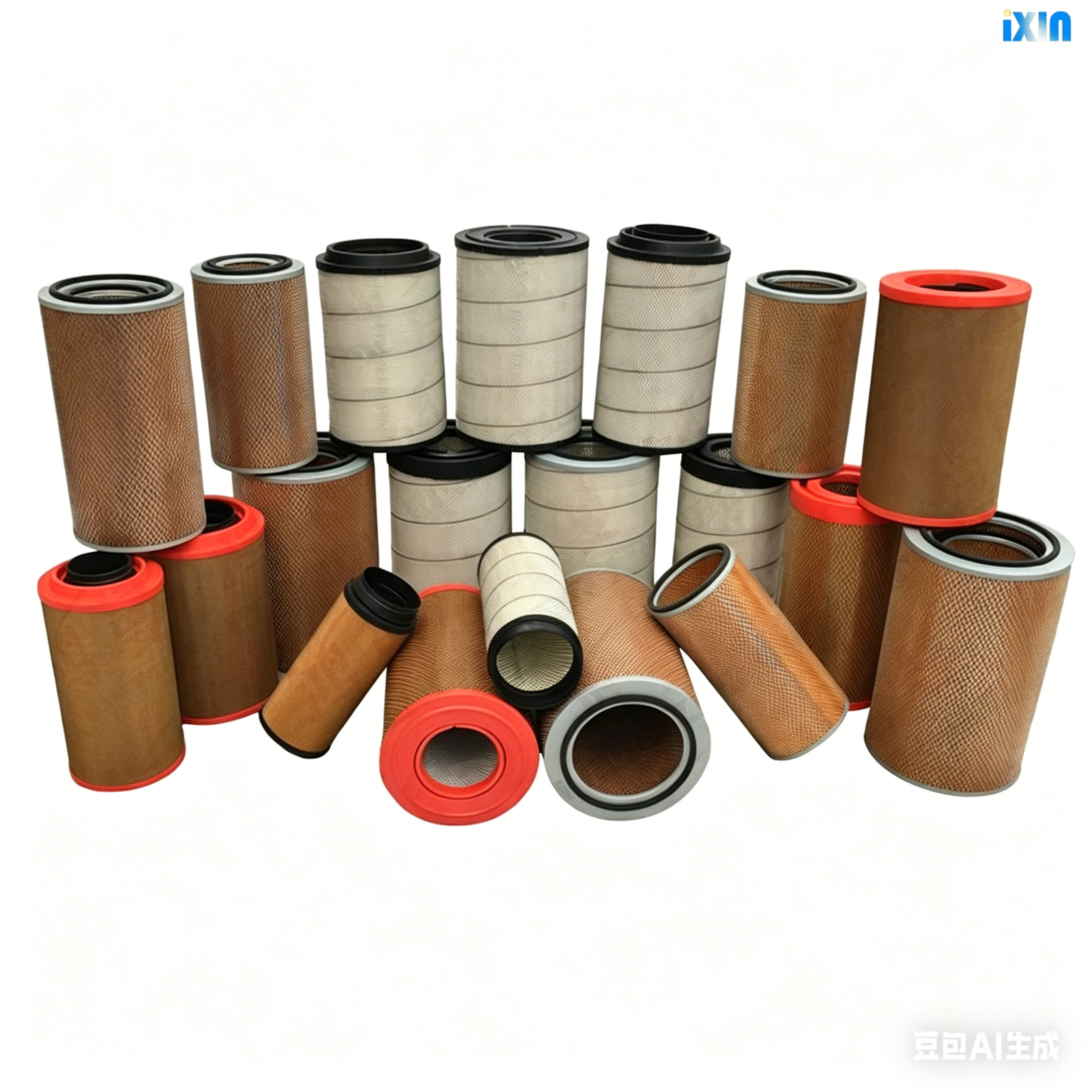
Why Standard Filter Paper Fails in Heavy-Duty Applications: Choosing High-Performance Media for Construction Machinery
When a massive excavator breaks down on a construction site, the immediate assumption is often an engine or hydraulic failure. However, the root cause is frequently much smaller—and entirely preventable: the wrong filter media.
Heavy-duty construction machinery operates in the most unforgiving environments on earth. While standard cellulose (paper) filters might suffice for a passenger car commuting on paved highways, they are fundamentally outmatched in a gravel pit or a demolition site. For fleet managers and equipment operators, understanding why standard heavy-duty filter paper fails is the first step toward reducing downtime and protecting multi-million-dollar assets.
Here is a breakdown of how standard media fails under extreme conditions, and what you must demand when sourcing construction machinery filters.
The Harsh Reality of Construction Environments
Unlike on-road vehicles, off-road heavy machinery faces a relentless assault from the elements:
- Extreme Particulate Loads: Constant exposure to silica dust, concrete powder, and dirt that can quickly choke a standard air filter.
- Severe Vibrations & Pressure Surges: Pulsating oil flow and intense chassis vibrations that stress the filter’s structural integrity.
- Moisture and Water Intrusion: Rain, mud, and condensation that mix with fuel and oil.
- High-Temperature Cycles: Turbochargers and heavy loads push oil and air temperatures to extremes, causing constant thermal expansion and contraction.
When standard filter media is subjected to these conditions, catastrophic failure is only a matter of time.
3 Ways Standard Filter Media Fails Under Pressure
1. Media Rupture and Structural Collapse
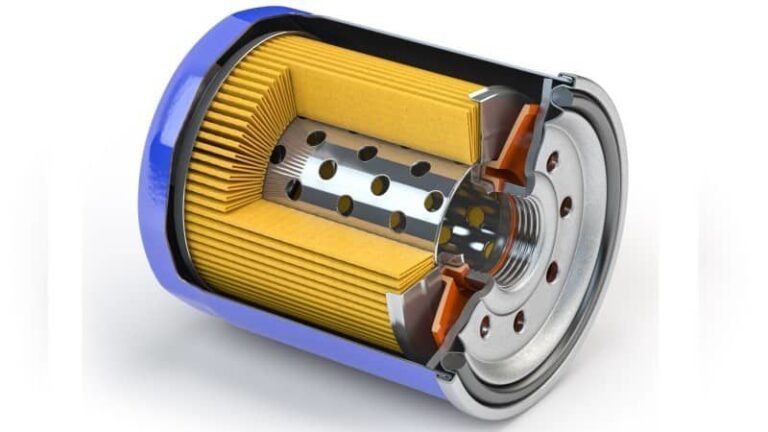
Standard cellulose filter paper is rigid but brittle. In high-dust environments, the pores clog rapidly, creating a massive pressure differential (restriction) across the media. Combined with the intense vibrations of a diesel engine, the thin paper fibers fatigue and tear.
Furthermore, standard paper lacks the resilience to handle oil pulse surges. The pleats can collapse inward, blocking oil flow entirely, or the media bursts, allowing unfiltered, abrasive grit straight into the engine bearings.
The Solution: High-performance filters require high-stiffness, resin-treated media or blend media (cellulose reinforced with synthetic fibers). The synthetic fibers add tensile strength, allowing the pleats to withstand pressure surges and violent vibrations without collapsing or rupturing.
2. Water Degradation in Fuel and Oil Systems
Cellulose is essentially processed wood pulp—it acts like a sponge. When water enters the fuel or oil system (a common occurrence in rainy construction sites or due to condensation), standard cellulose media absorbs it.
Once wet, the paper loses its structural strength entirely. It swells, distorts, and can even dissolve, sending soggy paper debris into the fuel injection system. Worse, standard media struggles to separate water from fuel, allowing it to pass through and destroy sensitive High-Pressure Common Rail (HPCR) injectors.
The Solution: For fuel filters, you must choose hydrophobic (water-repelling) synthetic media or advanced coalescing media. These materials are engineered to strip water out of the fuel stream and hold it in the bowl, while maintaining their structural integrity even when exposed to moisture.
3. High-Temperature Degradation and Carbonization
Modern Tier 4 and Euro VI engines run hotter than ever to meet emissions standards. In these high-temperature environments, the standard resins binding cellulose filter media together can melt or degrade.
When the resin fails, the paper loses its porosity and structural shape. In extreme cases, the hot oil can actually carbonize (coke) the standard paper, causing the filter to disintegrate from the inside out, sending abrasive carbon particles into the engine.
The Solution: Heavy-duty engine oil filters demand high-temperature resistant media, often treated with specialized phenolic resins that can withstand continuous exposure to oils exceeding 120°C (248°F) without degrading.
How to Choose: The Heavy-Duty Filter Media Checklist
When evaluating filters for your construction fleet, don’t just look at the price tag. Ask your supplier these critical questions about the media:
- What is the media composition? Is it 100% cellulose, or a synthetic/blend? For heavy-duty, demand synthetic or high-ratio blends.
- What is the dust holding capacity (DHC)? Higher DHC means longer service intervals and less frequent changes in dusty conditions.
- Can it handle water exposure? Ensure fuel filters utilize water-separating technology, not just basic particulate filtration.
- Is the resin high-temp cured? Ensure the media won’t degrade under modern engine heat loads.
Engineered for the Extreme: The IXIN Standard
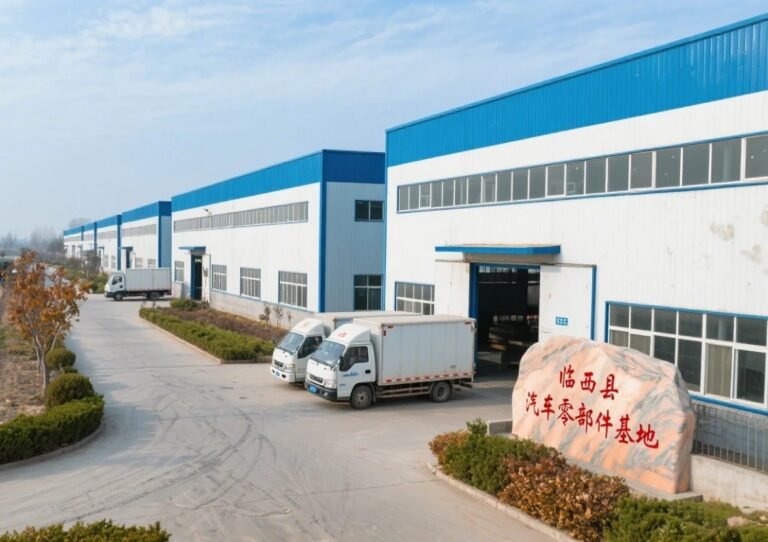
At IXIN, we recognize that a filter is only as strong as the media inside it. That is why we refuse to cut corners on material selection for our heavy-duty lines.
- Premium Blend & Synthetic Media: We utilize high-capacity, multi-layer composite media in our construction machinery air and oil filters, ensuring high dirt-holding capacity and absolute resistance to vibration collapse.
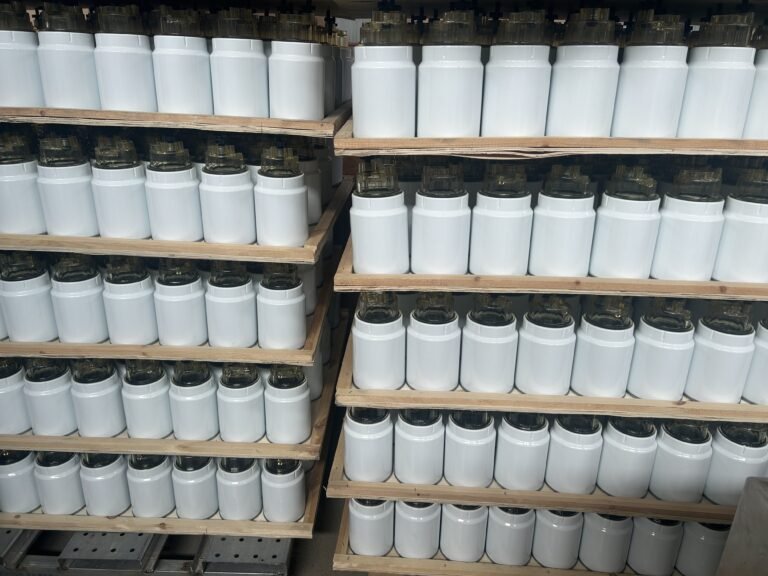
- Advanced Water Separation: Our heavy-duty fuel water separators feature specialized hydrophobic media to protect expensive diesel injectors from water contamination.
- High-Temp Resin Curing: Every media we use for engine oil filters is rigorously tested to withstand extreme thermal cycling without carbonization or resin melt.
Whether you are maintaining a fleet of JCB excavators, Doosan wheel loaders, or heavy-duty dump trucks, our strict OEM cross-reference engineering ensures the media perfectly matches the original flow and protection specifications.
Don’t let a substandard filter media be the weak link in your heavy machinery.
Are you looking for reliable, high-performance filters for your off-road fleet? Explore our Construction Machinery Filter Catalog or Contact our engineering team to discuss OEM/ODM manufacturing solutions today.
One Comment