
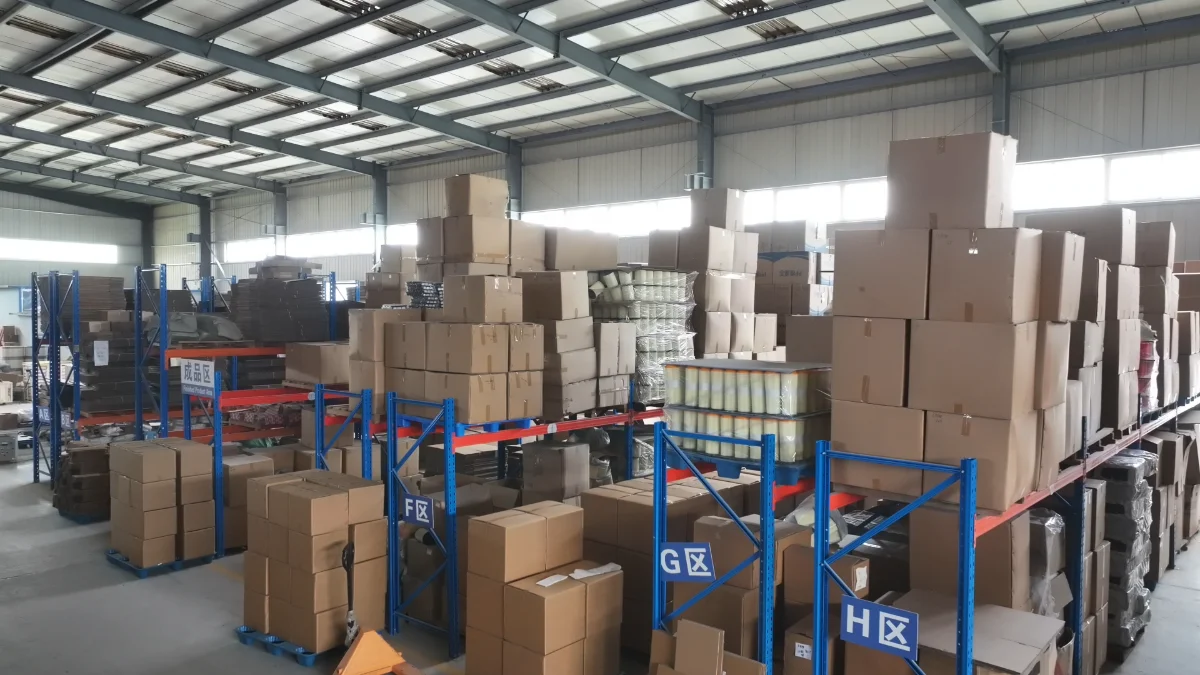
Choosing an OEM truck filter factory isn’t about finding the “best” factory in the abstract — it’s about finding the one whose strengths match how your business actually operates. A distributor building a private-label range needs very different things from a fleet buyer consolidating suppliers, and a factory that’s perfect for one can be a poor fit for the other. Here are 7 essential tips for matching a factory to your business, rather than the other way around.
1. Start With Your Own Business Model
Before you compare a single factory, get specific about your own situation. Are you a distributor, a fleet buyer, a brand owner, or a workshop chain? How many SKUs do you plan to carry, and what volume per SKU can you realistically commit to? Do you need private labeling now, or in two years? Your answers determine how much MOQ flexibility, customization depth and lead-time reliability you actually need — and they make every later comparison far easier.
2. Check Whether the OEM Truck Filter Factory’s Range Fits Your Portfolio
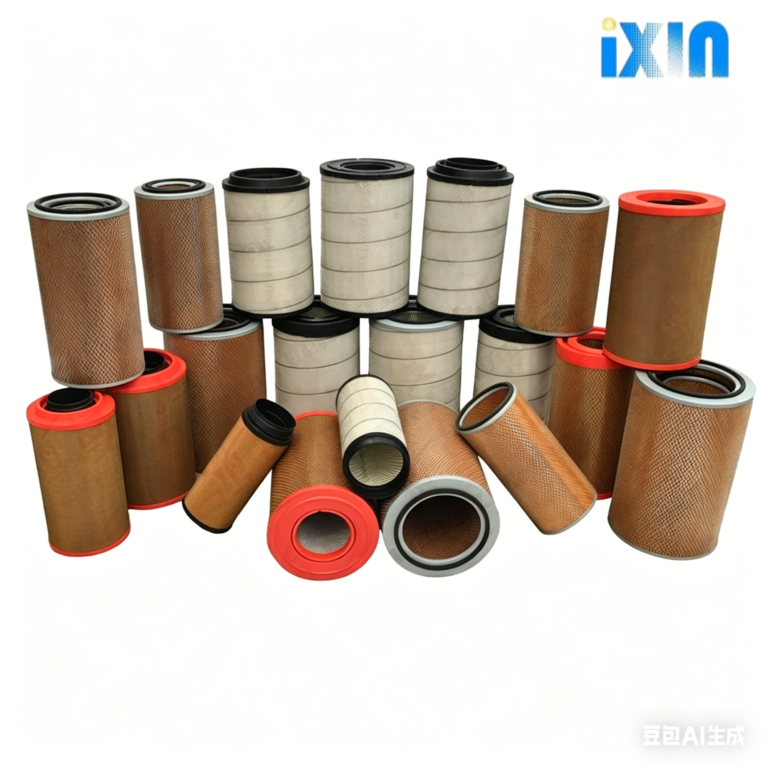
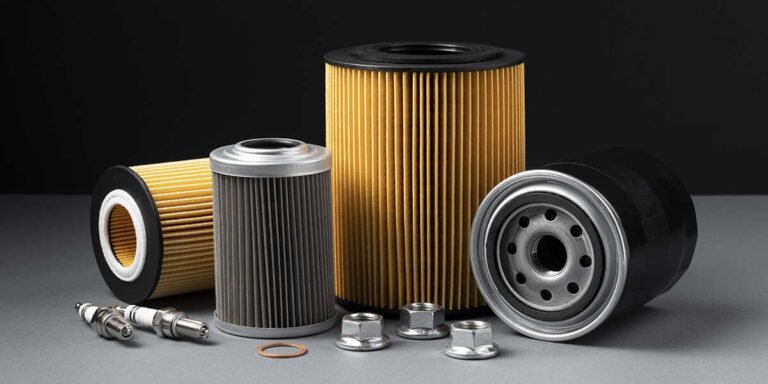
A factory that covers air, fuel, oil, hydraulic and cabin filters lets you consolidate purchasing, shipping and supplier management under one relationship. But breadth without depth is a risk. Ask which categories the factory truly specializes in and which are sourced from partners, because a wide catalog built on outsourced production gives you less control over quality than a narrower range made in-house.
3. Evaluate Engineering and New-Part Capability
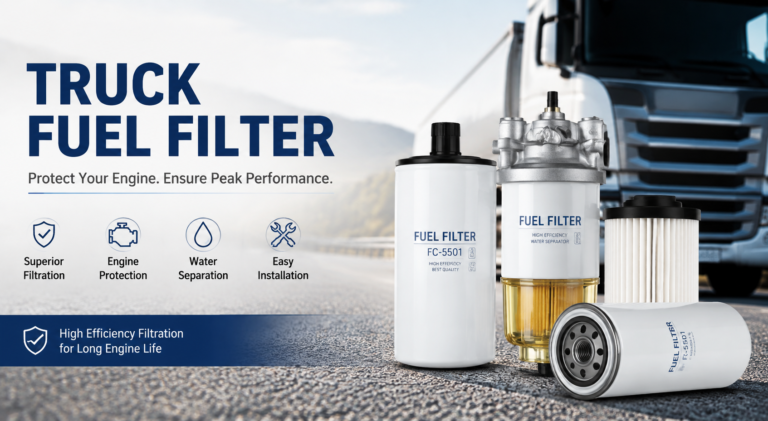
Truck filter catalogs are huge, and you will eventually need a part number that isn’t on the shelf. A capable OEM truck filter factory should be able to explain how it develops new parts: working from OE samples, dimensional drawings, or cross reference data it has verified itself. Ask how long a new part number typically takes from sample to production. Our fuel filter cross reference guide explains why in-house verification matters more than copied cross reference charts.
4. Look at Customization Depth
“We do private label” can mean anything from a sticker on a standard box to a fully custom design with your own media specification and barcode system. Ask specifically what can be customized — packaging, labeling, media, dimensions — and what the MOQ and lead time are for each level, since customization MOQs are often higher than standard-product MOQs.
5. Verify the Quality System and Test Evidence
Look for IATF 16949 or ISO 9001 certification, but understand what a certificate really proves. As ISO itself notes, ISO does not certify organizations — independent certification bodies do. That means the right move is to ask for the certifying body’s name and certificate number and verify it with them directly. Then go beyond certificates: ask which test standards the factory actually runs, such as ISO 5011 for air filters, and whether it shares the results.
6. Confirm Capacity and Scalability
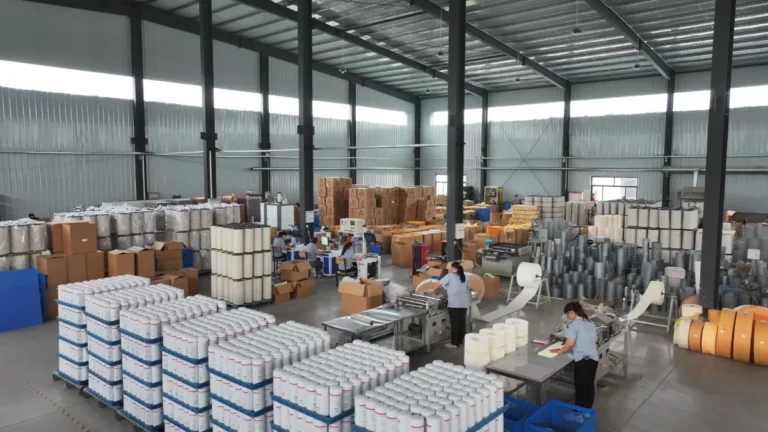
The factory that handles your first container comfortably may struggle with your fifth. Ask any OEM truck filter factory about its capacity at two or three times your current volume, how it handles peak seasons, and whether its lead times stay stable as orders grow. A factory that can scale with you is worth more than one that offers a slightly lower price today.
7. Assess Service, Communication and After-Sales Support
Technical questions, fitment doubts and claims will come up sooner or later. Test the factory’s responsiveness before you order: send a detailed technical question and note how quickly and precisely it’s answered. Ask about the claims process, batch traceability and warranty terms, so you know what happens when something goes wrong — not just when everything goes right. Our reliable truck filter supplier checklist covers these service checks in more detail.
Which Factors Matter Most for Your Business?
| Your Business | Prioritize |
|---|---|
| Distributor building a private-label range | Customization depth, MOQ flexibility, packaging capability |
| Fleet buyer consolidating suppliers | Range breadth, batch consistency, lead-time reliability |
| Aftermarket brand owner | Engineering capability, test evidence, new-part turnaround |
| Workshop chain or small importer | Low MOQ, mixed-container options, responsive service |
Final Thoughts
None of these 7 tips require a formal audit — most can be covered in a focused first conversation. The right OEM truck filter factory isn’t the biggest or the cheapest; it’s the one whose capabilities line up with your model today and can grow with you tomorrow.
Looking for an OEM truck filter factory that can match your business model? Read our guide on choosing an air filter factory for category-specific checks, or contact our sales team to discuss your volume, customization needs and target markets.
2 Comments