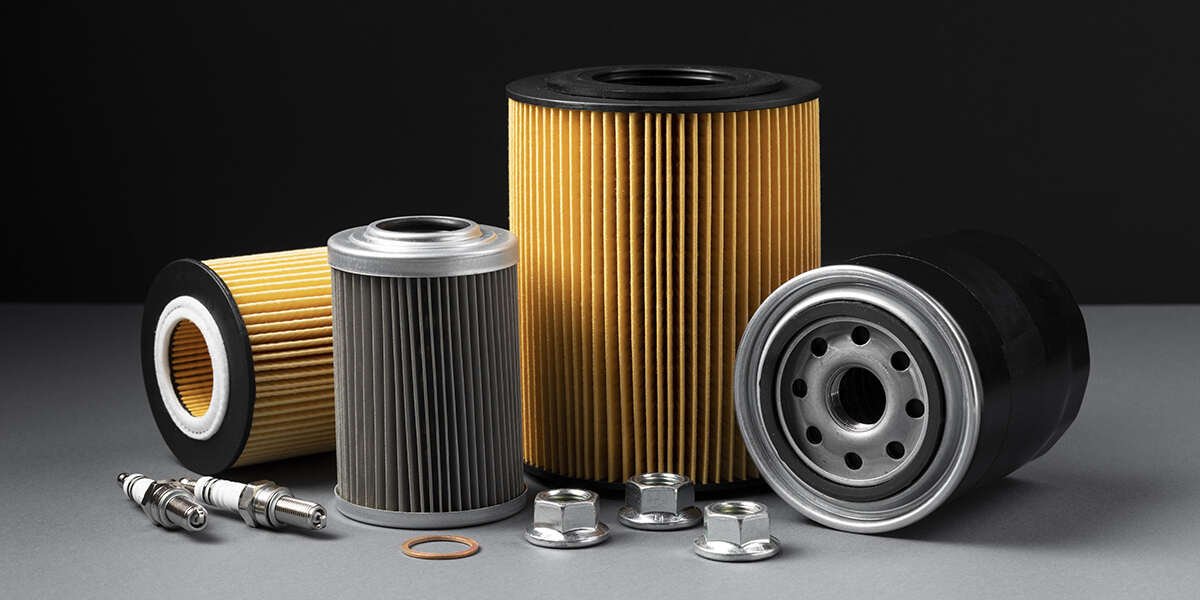
Buying an air oil separator without checking the right specifications is one of the more common mistakes in compressed air system maintenance — two separators that look interchangeable on the outside can perform very differently once installed, affecting everything from oil carryover to system efficiency and downstream equipment protection.
Whether you’re sourcing for a rotary screw compressor fleet, an industrial facility, or a distribution business supplying replacement parts, here are ten factors worth understanding before placing an order.
1. Micron Rating and Separation Efficiency
An air oil separator’s micron rating determines how effectively it removes oil aerosol from the compressed air stream. As explained in this overview of oil carryover in compressed air systems, oil carryover occurs when lubricating oil isn’t adequately separated from compressed air before it reaches the downstream air network, and inadequate separator performance is one of the most common causes. Most quality separators are rated to capture oil carryover down to 3-5 parts per million (ppm) or better, but ratings vary meaningfully between manufacturers. Confirming the specific separation efficiency — not just that the part “fits” — is the starting point for choosing a separator that matches your system’s oil carryover requirements.
2. Pressure Drop Across the Element
As air passes through the separator element, it experiences a pressure drop, and a poorly designed element can create excessive resistance that reduces compressor efficiency and increases energy consumption. A quality air oil separator balances high separation efficiency with acceptable pressure drop — this is a tradeoff worth asking a supplier about directly, since more filtration surface area (which improves separation) needs to be engineered carefully to avoid unnecessary flow restriction.
3. Element Media Construction
Air oil separator elements typically use borosilicate glass fiber or similar high-efficiency media, engineered with a specific pleat structure and depth to maximize both separation efficiency and dirt-holding capacity. Media quality and consistency across production batches directly affects how reliably the separator performs over its rated service life, not just when new.
4. Compatible Compressor Make and Model
Air oil separators are typically specific to a compressor manufacturer’s housing dimensions and thread or flange specifications, even when general specifications look similar across brands. Ordering based on physical dimensions alone, without confirming the exact OEM cross-reference for your specific compressor model, is a common sourcing mistake — always verify against the compressor manufacturer’s parts documentation.
5. Operating Temperature and Pressure Range
Different compressor systems operate across different temperature and pressure ranges, and a separator element needs to be rated for the specific conditions it will see in service. An element rated for standard conditions may degrade prematurely in a high-temperature or high-pressure application, even if it physically fits the housing.
6. Service Life and Recommended Replacement Interval
Manufacturer-recommended replacement intervals vary based on element design, operating conditions, and oil type used in the compressor system. A separator with a shorter effective service life than expected increases both maintenance frequency and the risk of reduced separation efficiency between scheduled changes — worth confirming against your system’s actual duty cycle rather than assuming a generic interval applies.
7. Compatibility with Your Compressor Oil Type
Some air oil separator media is optimized for specific compressor oil types (mineral, synthetic, or specialty formulations), and using an incompatible combination can reduce separation efficiency or degrade the element faster than expected. Confirming media compatibility with your specific compressor oil is a detail that’s easy to overlook when sourcing based on part number alone.
8. Housing Seal and Gasket Quality
A separator element that doesn’t seal properly against its housing allows oil-laden air to bypass the filtration media, undermining separation performance regardless of how good the element itself is. Checking seal and gasket construction — and asking about sealing tolerances during manufacturing — matters as much as the filtration media specification itself.
9. Testing and Quality Documentation
A manufacturer confident in their air oil separator’s performance should be able to provide separation efficiency, pressure drop, and burst strength test data on request. A supplier who can only confirm that an element matches the OEM part number in size, without testing data behind it, is a real risk signal — particularly for industrial applications where downstream equipment protection depends on consistent separation performance.
10. Supplier Consistency Across Bulk Orders
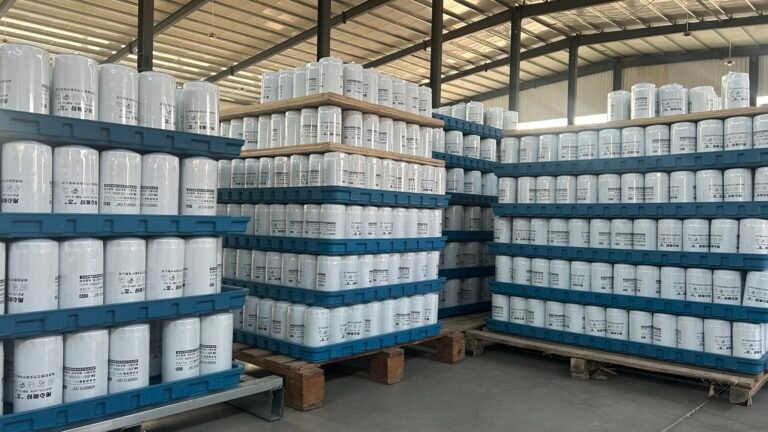
For distributors and facilities managing multiple compressors, batch-to-batch consistency matters as much as the specification of any single element. A supplier with inconsistent raw material sourcing or quality control can deliver a bulk order where individual elements perform noticeably differently, even under the same part number — a risk worth addressing through sample testing before committing to a large order.
Why These Factors Matter Beyond a Single Purchase
For a single compressor, getting one of these factors wrong might mean a shorter-than-expected element life. For a facility or distributor managing multiple compressor systems, these same gaps compound — inconsistent separation performance increases oil carryover risk across connected equipment, raises energy costs through excess pressure drop, and drives up total maintenance costs in ways that outweigh whatever was saved on unit price.
Questions Worth Asking Before You Buy
- What micron rating and separation efficiency does this specific element achieve?
- What’s the pressure drop rating, and how was it tested?
- Can you confirm exact OEM cross-reference verification for my specific compressor model?
- Can you provide samples for independent testing before a bulk order?
- What’s your quality control process for maintaining consistency across production batches?
Built to Match These Standards
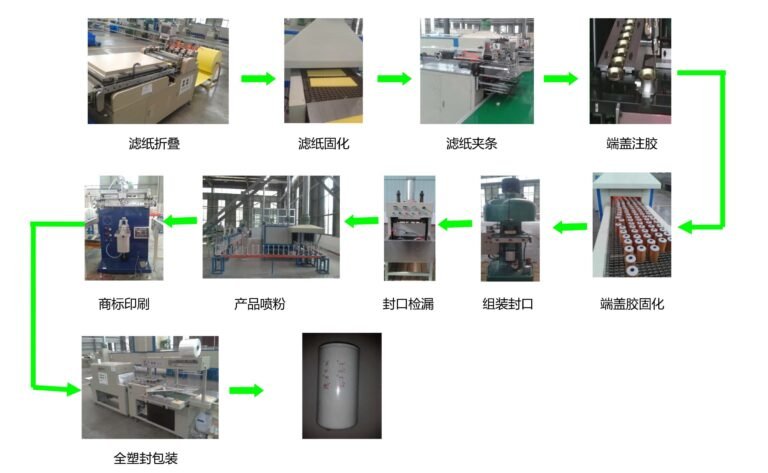
At IXIN Filter, we manufacture air oil separators engineered to OEM specifications for separation efficiency, pressure drop, and dimensional accuracy — not just matched by part number. Every batch of filter media is tested before production, and we’re glad to share testing documentation and samples with distributors and industrial buyers evaluating separators against this buying guide.
Want an air oil separator that checks every box on this list? Contact IXIN Filter to request a sample or product catalog.