Truck Oil Filter Buying Guide: 10 Things You Should Know Before Choosing
A solid truck oil filter buying guide should go well beyond “match the part number.” Oil filters look simple from the outside, but small differences in construction, media, and specification translate directly into engine protection, service life, and total maintenance cost — especially at the scale a distributor or fleet operates at.
Whether you’re buying for a single truck or sourcing for a distribution business, here are ten things worth understanding before placing an order.
1. Full-Flow vs. Bypass Filtration
Most truck oil filters are full-flow filters, meaning all the oil pumped through the engine passes through the filter before reaching lubricated components. Some heavy-duty applications also use a secondary bypass filter, which filters a smaller portion of oil flow at a finer micron rating. Knowing which type your engine requires — and whether it uses one or both — is the starting point for choosing the right filter.
2. Micron Rating and What It Actually Means
Micron rating describes the smallest particle size a filter can reliably capture. A finer micron rating captures smaller contaminants but can also increase pressure drop across the filter. Matching micron rating to your specific engine’s requirements — not just picking the finest option available — is part of a properly informed truck oil filter buying guide, since over-filtering isn’t automatically better if it wasn’t the specification the engine was designed around.
3. Dirt-Holding Capacity vs. Service Interval
A filter’s dirt-holding capacity determines how much contaminant it can hold before airflow (or in this case, oil flow) becomes restricted. Higher dirt-holding capacity generally supports longer service intervals, which matters for trucks running long routes or operating in dustier conditions where oil contamination accumulates faster.
4. Anti-Drainback Valve Function
Many spin-on oil filters include an anti-drainback valve, a rubber seal that prevents oil from draining back into the pan when the engine is off. Without this valve functioning correctly, the engine can experience a brief period of inadequate lubrication at startup — known as “dry start” — which causes disproportionate wear relative to how briefly it lasts. Confirming a filter’s anti-drainback valve is properly designed and sealed is a detail worth checking, not assuming.
5. Bypass Valve (Relief Valve) Pressure Rating
A bypass valve inside the filter allows oil to flow around the filter media if it becomes too restricted — protecting the engine from oil starvation rather than forcing contaminated oil through a clogged filter, or worse, cutting off oil flow entirely. The pressure rating at which this valve opens should match OEM specifications; a mismatched rating can either allow unfiltered oil through too early or fail to protect the engine when it should.
6. Filter Media Material
Cellulose, synthetic, and blended filter media each offer different tradeoffs in filtration efficiency, dirt-holding capacity, and cost. Synthetic media generally offers finer filtration and longer service life at a higher price point, while cellulose remains a cost-effective standard-efficiency option for many applications. Neither is universally “better” — the right choice depends on the specific engine’s requirements and the fleet’s maintenance schedule.
7. Housing Construction and Burst Strength
The filter’s outer housing needs to withstand sustained oil pressure without deforming or rupturing over its service life. Housing gauge thickness and weld quality (on spin-on filters) or end cap construction (on cartridge filters) affect burst strength — a spec worth asking a manufacturer about directly rather than assuming it’s adequate because a filter “looks” solid.
8. Thread and Seal Compatibility
Beyond the physical dimensions, thread pitch and seal/gasket compatibility need to match the OEM housing exactly. A filter that threads on but doesn’t seal correctly, or seals correctly but doesn’t fully tighten to spec, is one of the more common — and more damaging — mismatches in oil filter sourcing, since a poor seal can leak oil or allow bypass.
9. OEM Cross-Reference Accuracy
A supplier’s cross-reference list is only as reliable as the verification behind it. Some suppliers copy cross-reference data from competitors without independently verifying dimensional or specification matches, which can introduce errors — particularly for newer or less common part numbers. Asking how a supplier verifies cross-reference accuracy (dimensional testing against OEM samples, not just copying published numbers) is a meaningful question before a bulk order.
10. Supplier Testing and Quality Control
Ultimately, all of the specifications above only matter if a supplier actually tests and controls for them consistently across production batches. A reliable truck oil filter buying guide isn’t complete without asking a potential supplier directly: what tests do they run, can they share the data, and can they provide samples for independent testing before a bulk order? A supplier who answers clearly is a stronger signal than a low price alone.
Putting This Buying Guide Into Practice
For a single vehicle, getting one or two of these details wrong might mean an earlier-than-expected filter change. For a fleet or distributor buying at volume, these same gaps compound — inconsistent quality across a large order increases the risk of engine wear complaints, warranty claims, and repeat maintenance costs that outweigh whatever was saved on unit price.
Filters Built to Match Every Spec on This List
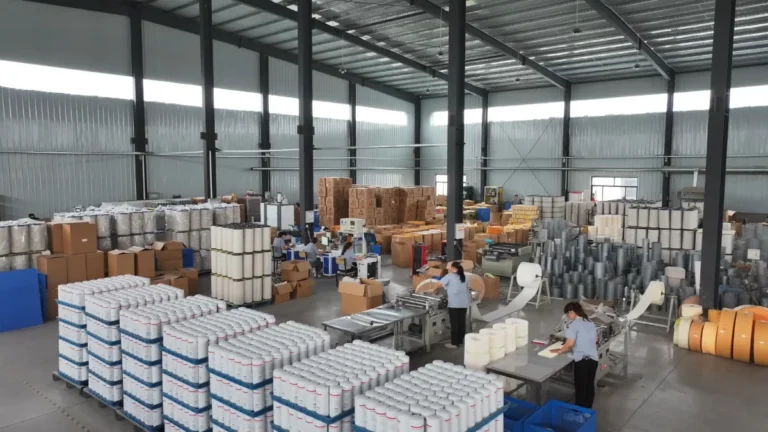
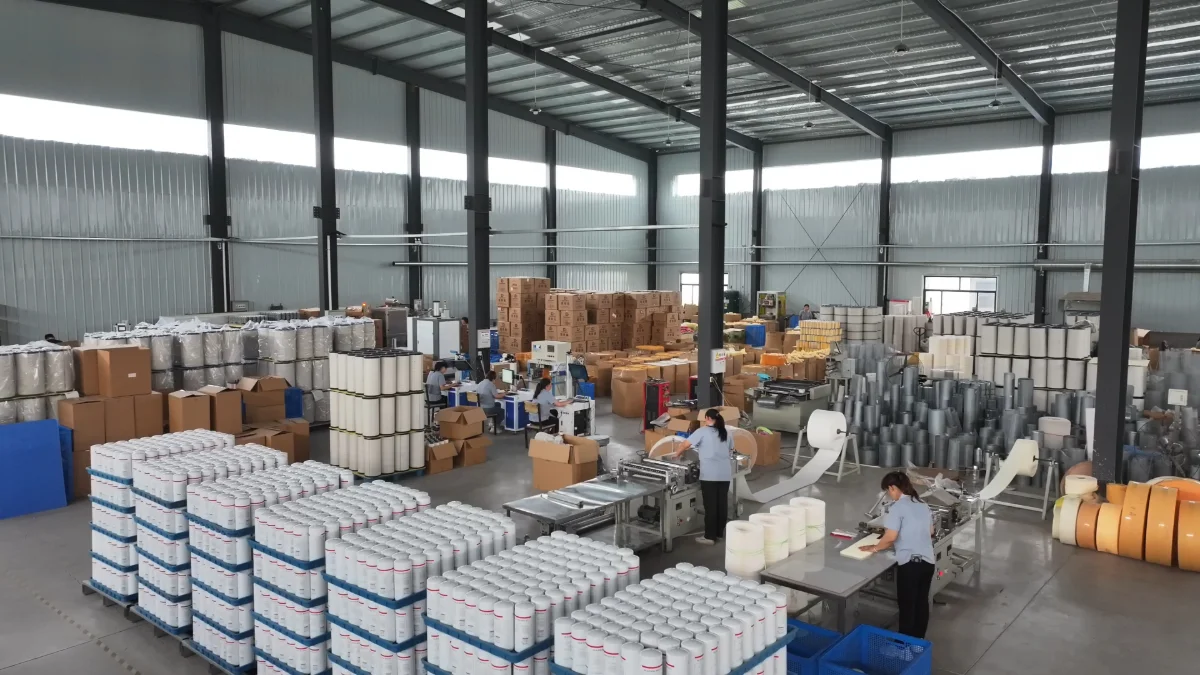
At IXIN Filter, we manufacture truck oil filters engineered to OEM specifications across full-flow filtration, dirt-holding capacity, anti-drainback and bypass valve function, housing construction, and dimensional accuracy — not just matched by part number. Every batch of filter media is tested before production, and we’re glad to share testing documentation and samples with distributors and fleet managers evaluating filters against this buying guide.
Want filters that check every box on this list? Contact IXIN Filter to request a sample or product catalog.