Choosing moisture-resistant air filter media isn’t just a spec-sheet checkbox — it’s the difference between a filter that holds up through a humid season and one that degrades from the inside before it looks due for replacement. If your equipment operates in humid climates, coastal environments, or wash-down conditions, here’s what actually matters when evaluating moisture-resistant air filter media, beyond just the micron rating.
1. Understand Your Actual Moisture Exposure Level
Not every “humid climate” application needs the same level of moisture resistance. There’s a real difference between occasional high humidity, direct rain exposure to the intake, regular power-washing, and marine/coastal salt-air exposure. Before comparing media options, be specific about your actual operating conditions — this determines whether standard treated cellulose is sufficient or whether you need a synthetic-heavy solution.
2. Know the Difference Between Moisture-Resistant Air Filter Media Types
- Untreated or lightly treated cellulose — Lowest cost, but most vulnerable to swelling and structural degradation when exposed to sustained moisture.
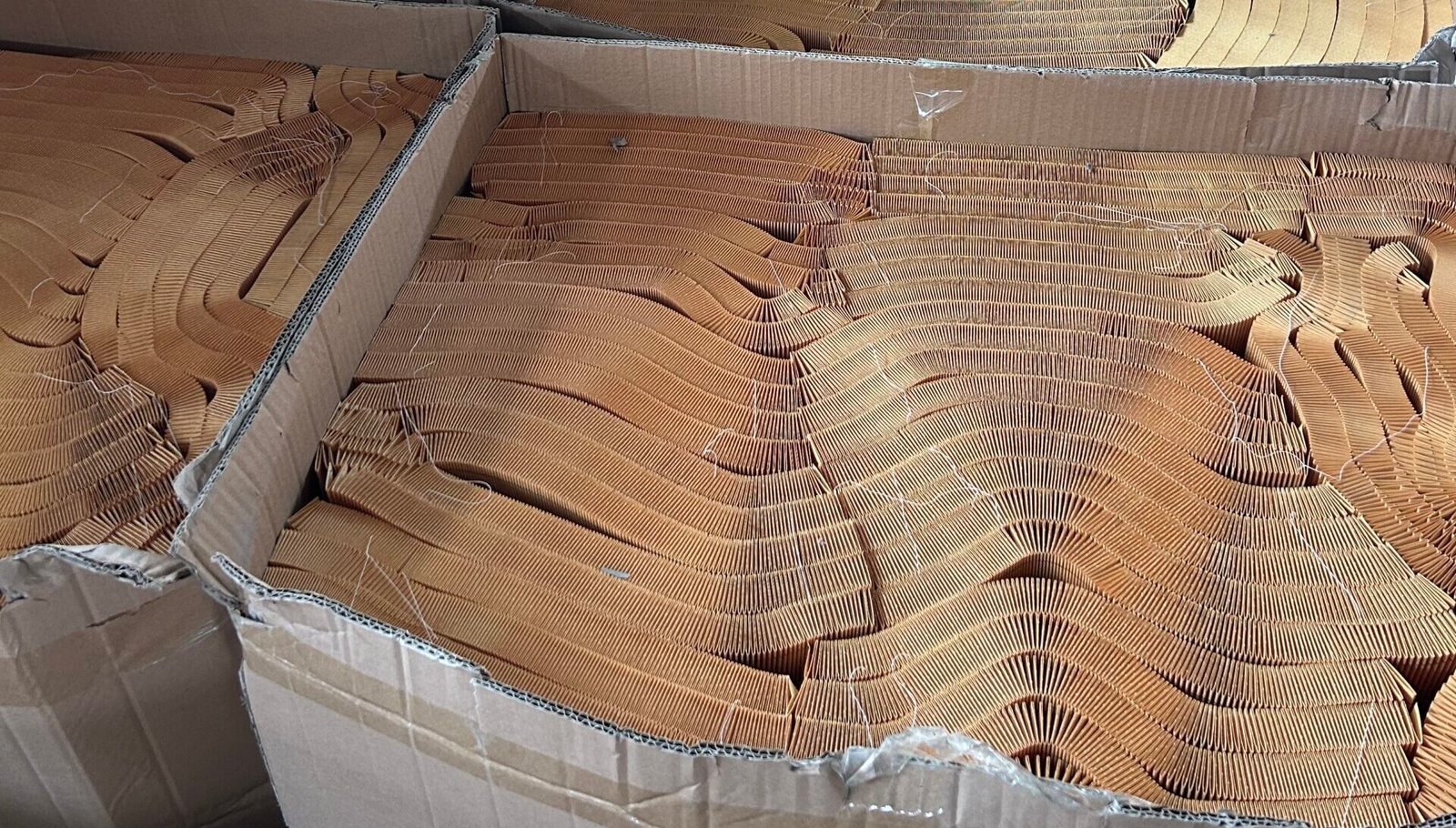
- Resin-impregnated cellulose — Plant-based fibers treated with resin for chemical resistance and structural rigidity, offering meaningfully better moisture tolerance than untreated cellulose at a moderate cost increase.
- Cellulose-synthetic blend — Combines cellulose’s cost efficiency with some of synthetic’s moisture resistance, a common middle-ground choice.
- Full synthetic media (polyester, nylon, or similar man-made fibers) — Generally the most moisture-resistant option, as synthetic fibers are broadly preferred over natural fibers specifically for resistance to moisture, heat, and long-term aging in engineered filter media design. This comes at the highest material cost.
For a deeper comparison of how these media types differ structurally, see our guide on cellulose vs synthetic filter paper.
3. Ask for Test Data Under Wet or Humid Conditions — Not Just Standard Dry Testing
Standard efficiency and dust-holding capacity figures are typically generated under controlled dry-dust conditions per ISO 5011. That data doesn’t tell you how the same filter performs after sustained humidity exposure or direct water contact. If moisture resistance genuinely matters for your application, ask your supplier specifically whether the media has been tested under humid or wet conditions, not just standard dry testing.
4. Check How the Media Holds Up Structurally When Wet
A filter’s pressure-drop and efficiency numbers mean little if the media loses structural integrity when wet. Ask whether the media has been evaluated for swelling behavior, pleat stability, and resistance to collapse under vacuum pressure specifically in wet or humid conditions — this is different from standard vibration fatigue testing done dry.
5. Weigh the Real Cost Trade-off, Not Just the Sticker Price
Full synthetic media costs more upfront than untreated cellulose, but if moisture-related degradation is causing premature filter failures or unplanned downtime in your current application, the cheaper filter isn’t actually cheaper once you count service interruptions and repeat replacements. Calculate the trade-off based on your actual failure history, not just per-unit price.
6. Verify Batch-to-Batch Consistency of the Moisture Treatment
A single well-tested sample doesn’t guarantee every unit performs the same. Resin treatment application and synthetic fiber blending need to be consistent across production batches — ask your supplier how they verify this in quality control, not just during initial product development.
Quick Reference: Which Moisture-Resistant Air Filter Media Fits Your Situation?
| Your Situation | Media Option Worth Considering |
|---|---|
| Dry climate, standard duty cycle | Standard cellulose media is typically sufficient |
| Occasional humidity, moderate dust | Resin-impregnated cellulose or cellulose-synthetic blend |
| Regular rain exposure or wash-down | Synthetic-heavy blend or full synthetic media |
| Coastal/marine, extended service intervals | Full synthetic media, prioritizing moisture and corrosion resistance |
What This Means for Buyers
Moisture resistance isn’t a single yes/no attribute — it exists on a spectrum tied to media type, treatment quality, and how consistently that treatment is applied across production. Choosing the right moisture-resistant air filter media means matching your actual operating environment to the appropriate media investment, not defaulting to the cheapest option or over-specifying synthetic media where it isn’t needed.
Need help matching the right filter media to your operating environment? Browse our air filter catalog, read more on what happens when filter media absorbs moisture, or contact our sales team to discuss your specific application.