5 Red Flags to Watch for When Sourcing Truck Filters from Overseas Suppliers
Choosing the right overseas truck filter supplier can be one of the best ways to secure competitive pricing and reliable supply for a distribution or fleet business. But it also comes with real risk. A supplier that looks solid on a product catalog or trade platform listing can turn out to be inconsistent, unresponsive, or simply unable to deliver the quality your customers expect — and by the time that becomes clear, you may already have a container of filters on the water.
Filters are a safety-critical, precision-manufactured product. Small inconsistencies in filter media, sealing, or dimensional accuracy can lead to warranty claims, damaged customer relationships, and in the worst cases, engine damage for the end user. That makes supplier due diligence especially important in this category.
Here are five red flags worth taking seriously before you commit to a bulk order.
1. No Verifiable Factory or Production Capability
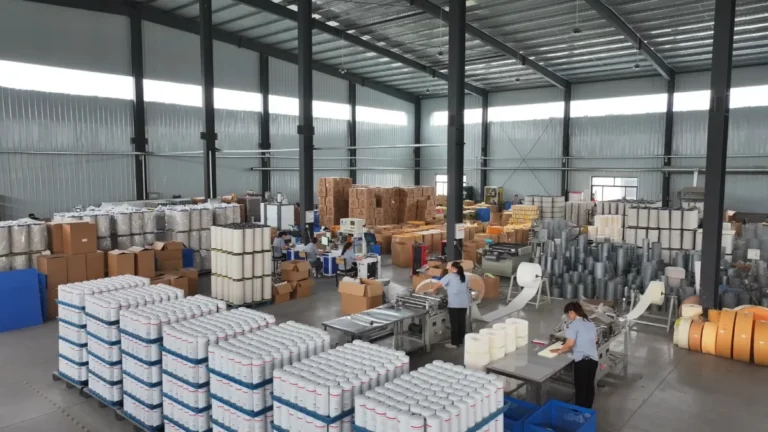
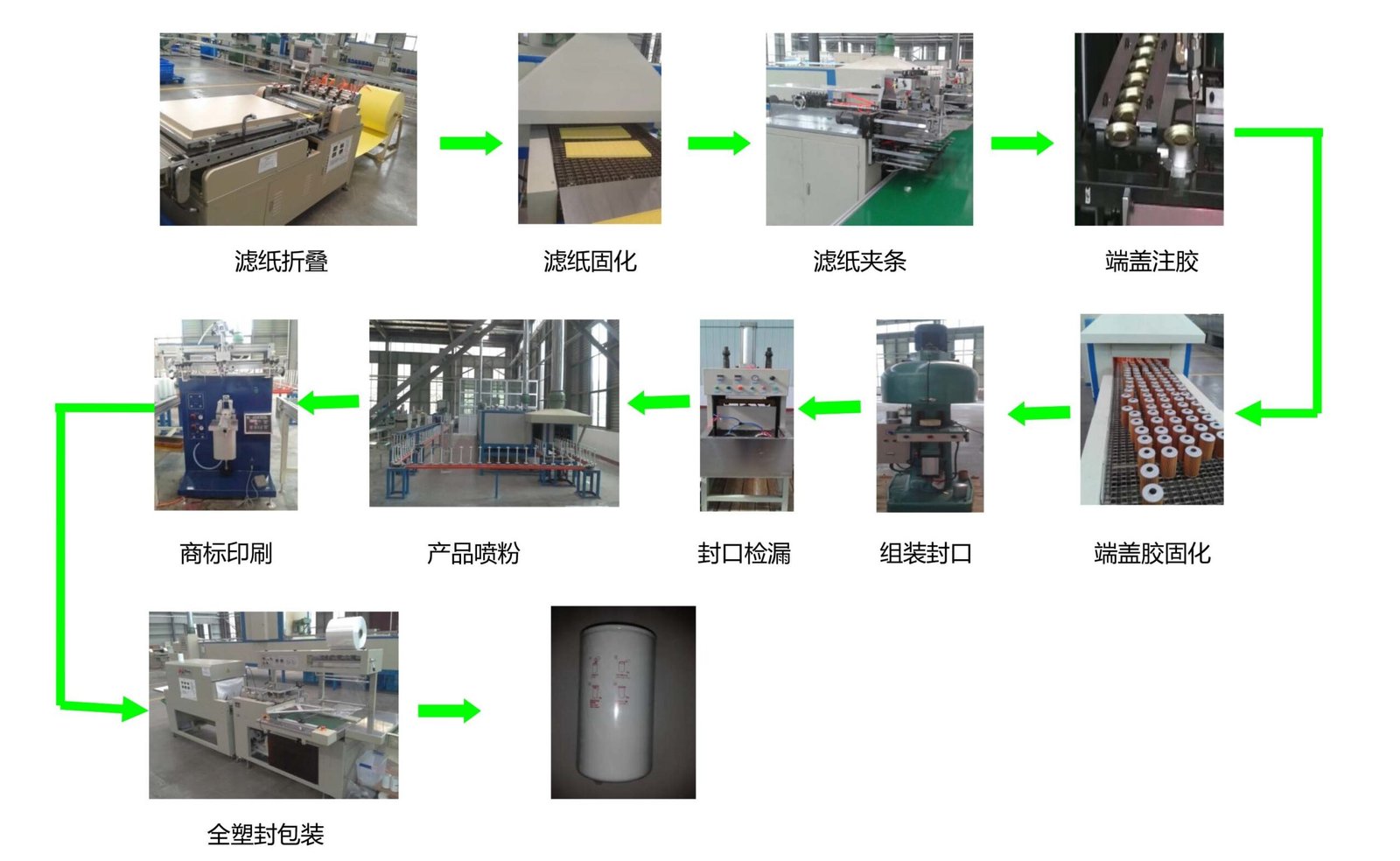
One of the clearest warning signs is a supplier that can’t clearly show — through photos, video, or a factory visit — that they actually manufacture the filters themselves. Some listings on B2B platforms are run by trading companies that source from multiple third-party factories without disclosing it, which means quality can vary between orders even from the same “supplier.”
What to check:
- Ask for real, recent factory and production line photos or video (not stock images)
- Request a virtual factory tour via video call if an in-person visit isn’t possible
- Check whether the company’s export history and business registration match the factory location they claim (this can often be cross-checked through public trade records or platforms like Alibaba’s Verified Supplier program)
- Be cautious of suppliers who are vague or evasive when asked directly whether they own their production facility
2. No Consistent Quality Control Process
A reliable filter manufacturer should be able to clearly explain their quality control process — from raw material inspection to in-process checks to final testing before shipment. If a supplier can’t describe specific QC steps, or their answer is a generic “we have strict quality control,” that’s a sign the process may not be well-documented or consistently followed.
What to check:
- Ask what specific tests are performed (burst strength, filtration efficiency, dimensional checks, sealing tests)
- Ask whether QC records or inspection reports are available per batch or per shipment
- Look for relevant certifications (ISO 9001 is a baseline; IATF 16949 indicates a more automotive-specific quality system)
- Consider requesting a pre-shipment inspection from a third-party inspection service for your first few orders
3. Unrealistically Low Pricing With No Clear Explanation
In filter manufacturing, raw materials like filter paper, resin, and steel components make up a real, fairly consistent cost floor. If one supplier’s quote is dramatically lower than every other quote you’ve received for comparable specifications, it’s worth understanding why before assuming it’s simply a better deal.
What this can indicate:
- Lower-grade filter media that reduces filtration efficiency and dust-holding capacity
- Thinner steel components or lower-quality gaskets and seals that affect durability
- Inconsistent sourcing of raw materials between batches, leading to variable performance
- A trading company undercutting price by quietly substituting a lower-spec product
Price should be evaluated alongside filtration testing data, material specifications, and certifications — not in isolation.
4. Poor or Inconsistent Communication During the Sampling Stage
How a supplier handles the sampling and negotiation stage is often a strong predictor of how they’ll handle problems after you’ve placed a large order. Slow responses, vague answers to technical questions, or reluctance to provide samples before a bulk commitment are all warning signs.
What to check:
- Are technical questions (micron rating, flow rate, OEM cross-reference accuracy) answered specifically, or with generic marketing language?
- Is the supplier willing to send samples for independent testing before a large order?
- Do their sales and technical teams give consistent answers, or do details change between conversations?
- How do they respond when you point out a discrepancy or ask a difficult question? Defensiveness or evasiveness at this stage often gets worse, not better, once you’re a paying customer with less leverage.
5. No Clear Answer on OEM Cross-Reference Accuracy
Truck filters live or die on fitment accuracy. A supplier who can’t clearly explain how they verify OEM cross-reference numbers — or who simply copies cross-reference lists from competitors without independent verification — puts you at risk of shipping filters that don’t fit correctly or don’t meet the original filtration specification.
What to check:
- Ask how the supplier verifies cross-reference data (physical dimension testing against OEM samples, not just copying published numbers)
- Ask whether they’ve had fitment or performance complaints on specific product lines, and how those were resolved
- Request dimensional drawings or specification sheets, not just a cross-reference number list
- Be especially cautious with newer or less common OEM numbers, where cross-reference data across the industry is more likely to contain errors
Due Diligence Doesn’t Have to Slow You Down
None of this means overseas sourcing is inherently risky — the vast majority of the world’s truck filters, including OEM-supplied parts, are manufactured in facilities across Asia. The goal isn’t to avoid overseas suppliers, but to evaluate them with the same rigor you’d apply to any supplier responsible for a safety-critical component.
A short list of direct questions, a request for real production evidence, and independent testing of samples before a bulk order can filter out unreliable suppliers early — before they become a costly, recurring problem.
What to Expect from a Trustworthy Overseas Truck Filter Supplier
At IXIN Filter, we manufacture air filters, oil filters, fuel filters, cabin air filters, and air dryers in our own facility, with quality control checks built into every stage of production — not just a final inspection before shipment. We’re glad to provide factory documentation, arrange a video factory tour, share sample filters for independent testing, and walk through our OEM cross-reference verification process in detail.
If you’re evaluating suppliers for your next bulk order, we’d rather answer the hard questions upfront than have you find out the answers the hard way.
Ready to evaluate a supplier you can verify? Contact IXIN Filter to request factory documentation, samples, or a virtual facility tour.