Knowing how to tell if an air filter is good quality isn’t always obvious from a quick look, especially when two filters with the same part number can perform very differently in practice. Some quality signals are visible before you even install the filter; others only show up once it’s in service. Either way, a few targeted checks can save you from finding out the hard way — after an engine problem, not before.
Whether you’re a distributor evaluating a new supplier’s samples or a technician inspecting a filter before installation, knowing how to tell if an air filter is good quality comes down to a few practical checks worth running.
1. Check Pleat Spacing and Consistency
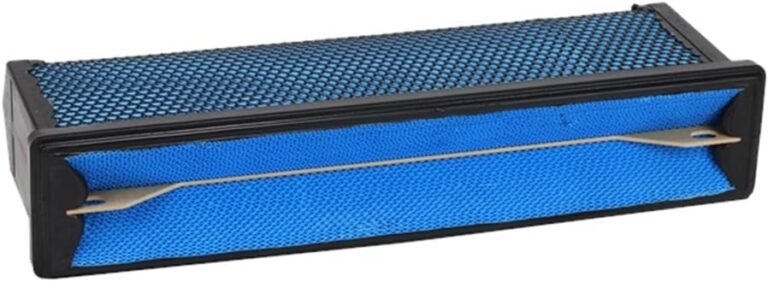
Hold the filter up and look at the pleats along the media. On a good-quality filter, the pleats are evenly spaced and consistent from one end to the other, maximizing the usable filtration surface area. As noted in general guidance on inspecting engine air filters, holding a filter up to a light source can also help reveal how much of the media surface is still passing air versus packed solid with debris. Uneven spacing, pleats that look compressed in some areas and stretched in others, or media that feels flimsy to the touch are signs of inconsistent manufacturing — and often a preview of how the filter will perform once it starts loading with dust.
2. Inspect the Seal and End Caps
Run a finger around the edge of the filter where it meets the end cap or gasket. A good-quality filter has a clean, consistent bond between the filter media and the seal, with no visible gaps, rough edges, or areas where the media looks loosely attached. This seal is what prevents unfiltered air from bypassing the media entirely — a weak or uneven bond here undermines the filter’s performance no matter how good the media itself is.
3. Assess the Rigidity of the Filter Frame
Gently flex the filter’s frame or housing (where applicable). A quality filter maintains its shape and doesn’t feel flimsy or prone to warping. A frame that flexes too easily may not hold its seal properly once installed, especially under the vibration and pressure fluctuations typical of vehicle and equipment operation.
4. Look for Consistent Color and Texture in the Filter Media
Filter media should have a consistent color and texture across its entire surface. Visible discoloration, uneven texture, or patches that look different from the rest of the filter can indicate inconsistent raw material sourcing — a red flag for batch-to-batch quality control, even if a single filter looks acceptable on its own.
5. Check for Proper Fitment Before Installing
Part of knowing how to tell if an air filter is good quality is checking fitment, not just appearance. A good-quality filter should seat into the housing without needing to be forced, bent, or wedged into place. If a filter doesn’t sit flush on the first attempt, don’t assume it just needs a bit of extra pressure — double-check that it’s the correct part number and specification before installing it anyway. Forcing a poor-fitting filter into place often compromises the seal even if the filter itself was otherwise well made.
6. Ask for Filtration and Dust-Holding Test Data
Visual inspection only tells part of the story when you’re trying to work out how to tell if an air filter is good quality. A manufacturer confident in their filter’s quality should be able to provide filtration efficiency and dust-holding capacity test data on request — not just confirm that the part fits. If a supplier can’t answer specific questions about testing, or only points to the part number matching, that’s a signal worth taking seriously, especially before a bulk order.
7. Monitor Performance After Installation
Some quality signals only appear once a filter is in service. After installation, keep an eye on:
- Airflow restriction — does the filter seem to load with dust unusually quickly relative to its rated service interval?
- Fuel efficiency changes — a sudden or gradual drop can sometimes trace back to filter performance
- Visible damage at replacement — inspect the old filter when it comes out; torn media, a collapsed pleat structure, or a degraded seal are signs the filter didn’t perform as expected over its service life
Tracking these signals across a fleet, not just a single vehicle, gives a clearer picture of whether a filter (or supplier) is consistently delivering good quality.
Why Knowing How to Tell If an Air Filter Is Good Quality Matters More for Bulk Buyers
For an individual vehicle owner, these checks are useful before a single purchase. For distributors and fleet managers buying in volume, they matter even more — a quality issue that shows up in one filter from a batch is often a sign it exists across the whole shipment, not just the one you happened to inspect. Building these checks into your sampling process before a bulk order is far cheaper than discovering the same issue after hundreds of units are already in the field.
Filters Built to Pass Every Check
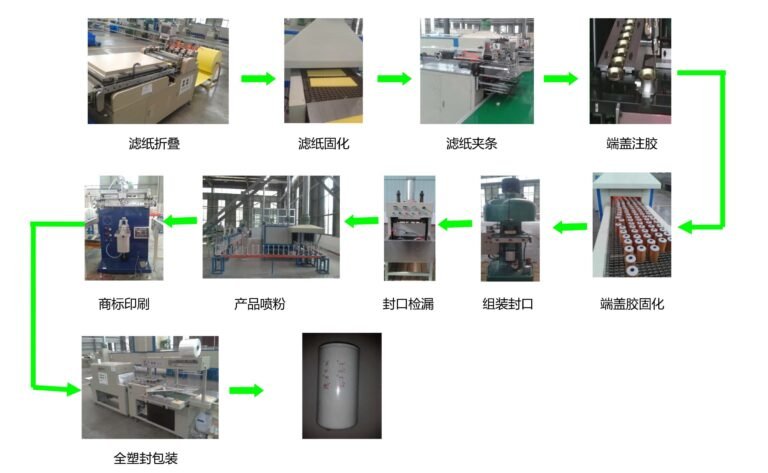
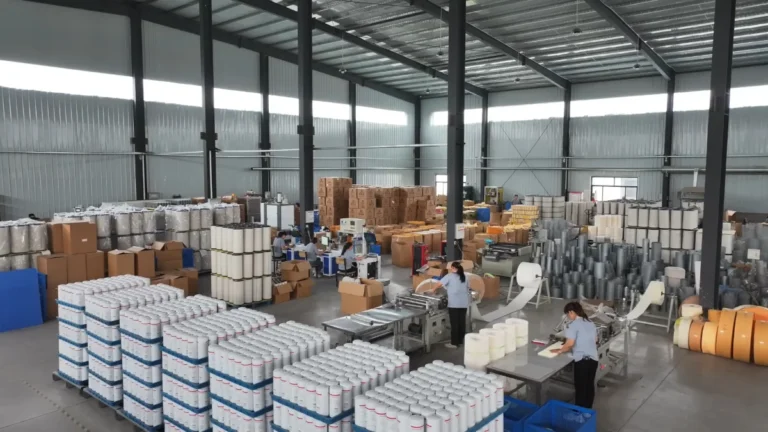
At IXIN Filter, we manufacture air filters with consistent pleat spacing, verified sealing tolerances, and dimensional accuracy tested against OEM specifications — built to hold up to exactly the kind of inspection outlined above. Every batch of filter media is quality-checked before production, and if you’re still wondering how to tell if an air filter is good quality, we’re glad to provide samples and testing documentation so you can check for yourself.
Want to see the quality difference for yourself? Contact IXIN Filter to request a sample or product catalog.