Sourcing from a truck filter supplier in China can mean significantly better pricing and direct factory access — but it also means doing due diligence that’s easy to skip when a quote looks attractive and a website looks professional. A clean-looking PDF or an impressive product catalog proves very little on its own. Whether this is your first time working with a truck filter supplier in China or you’re switching from an existing one, here are 7 critical steps to work through before placing your order.
1. Verify the Business License Through the Official Registry
Don’t rely on a scanned business license alone — verify it against China’s official government registry. The National Enterprise Credit Information Publicity System (NECIPS/GSXT), run by China’s State Administration for Market Regulation, is the authoritative public source for company registration status. Search using the company’s exact Chinese legal name or their 18-character Unified Social Credit Code, and confirm the legal name, registration status (active vs. revoked), and registered capital match what the supplier has told you. A mismatch is a serious red flag.
2. Confirm Whether Your Truck Filter Supplier in China Is a Factory or a Trading Company
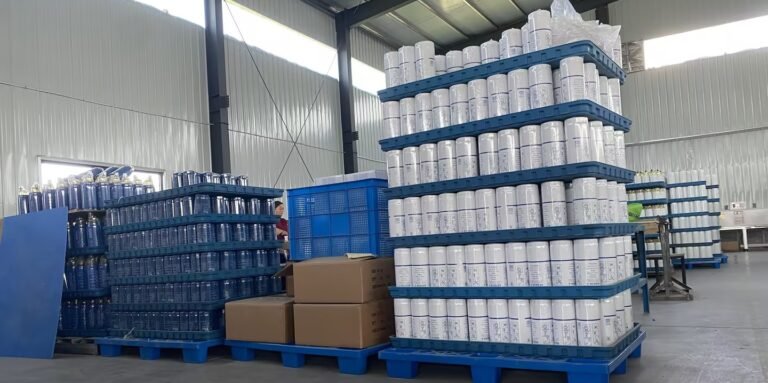
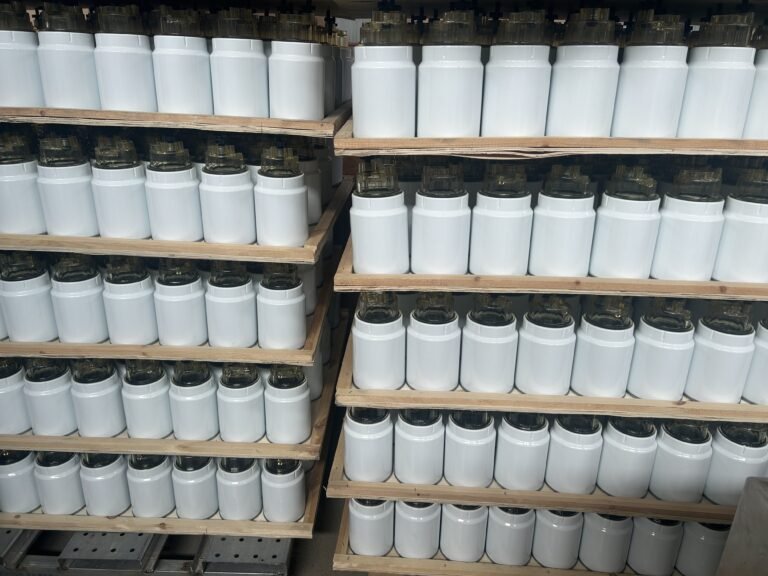
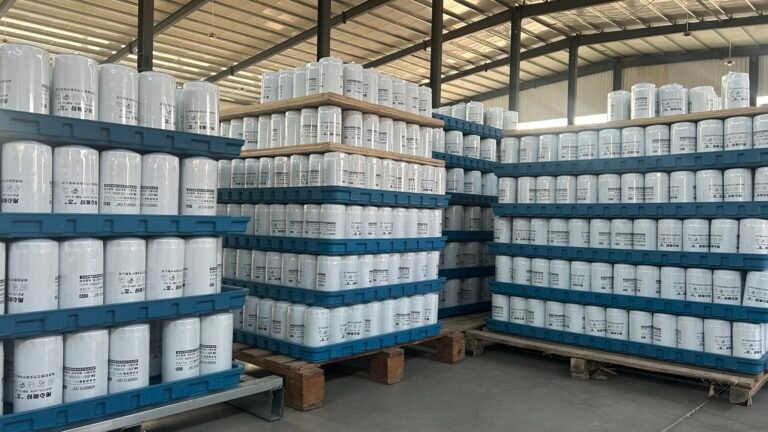
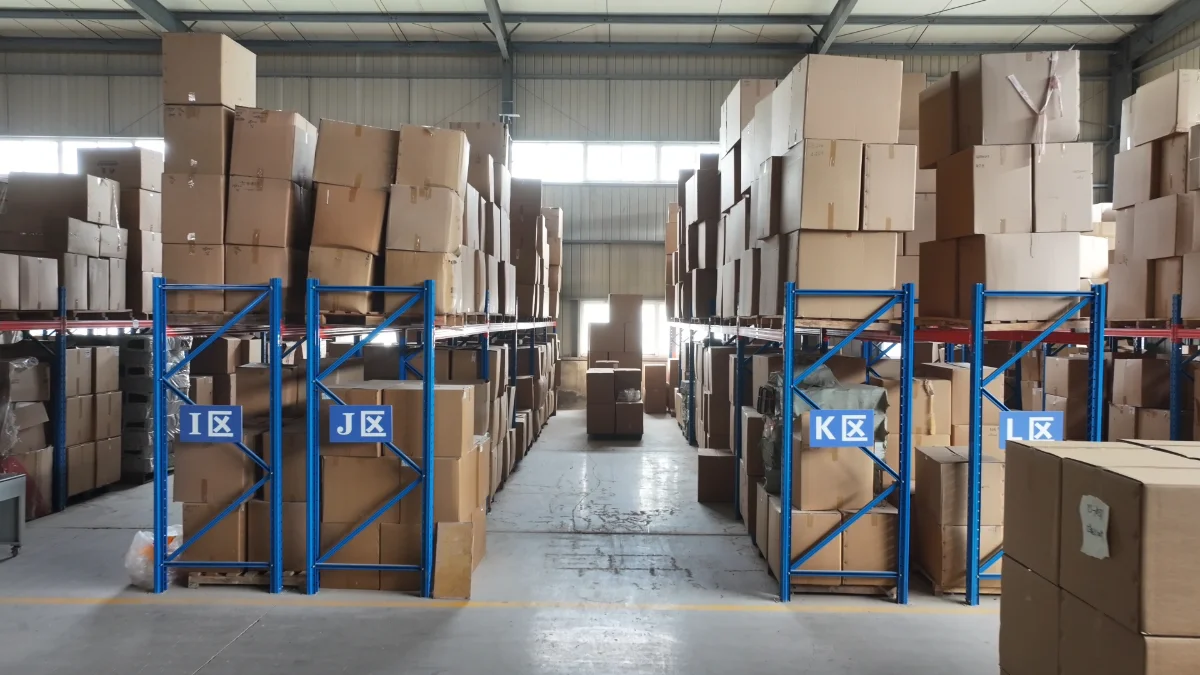
Many suppliers presenting themselves as manufacturers are actually trading companies reselling filters made elsewhere. Ask for a video call showing the actual production floor, request photos with visible date stamps or current news references, and ask specific production questions (raw material sourcing, equipment brands, daily output) that a genuine factory representative should answer fluently and a trading company representative typically cannot.
3. Verify Quality Certifications Independently
If a truck filter supplier in China claims IATF 16949 or ISO 9001 certification, don’t just take the certificate image at face value — certification bodies typically maintain searchable databases where you can verify a certificate number is genuine and still active. Ask for the certifying body’s name and certificate number, then verify independently rather than trusting a PDF that could be outdated, altered, or borrowed from another company.
4. Request Samples and Test Them Independently
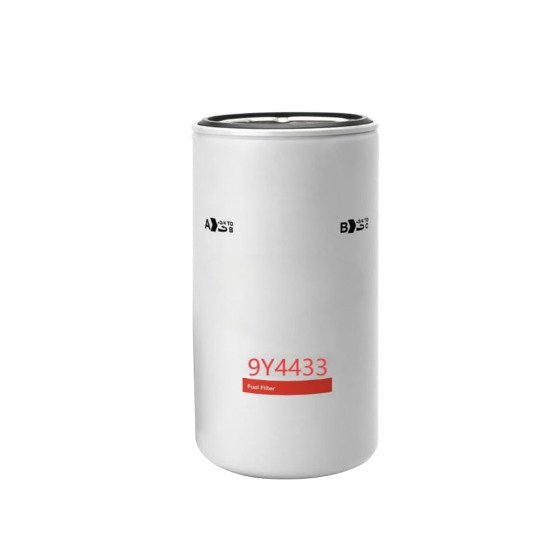
Before committing to a bulk order, request samples and have them tested or measured independently — not just by a photo the supplier sends you. Compare dimensions, thread specifications, and where possible, basic performance characteristics against OE specifications or a known-good reference sample.
5. Check Export History to Your Specific Region
A supplier’s overall export volume matters less than their track record shipping to your specific market. Ask for references or shipment history to your region, and where possible, verify with a buyer in your own network rather than relying solely on references the supplier selected themselves.
6. Evaluate Communication and Quotation Transparency
Send a detailed technical question early in the conversation and observe how precisely and quickly it’s answered. Review whether quotations clearly itemize unit price, packaging, shipping terms (see Incoterms), and any customization costs — vague or inconsistent quotations across multiple requests are a warning sign, not just an inconvenience.
7. Use Secure, Verifiable Payment Methods
For a first order, avoid wiring the full amount to an account that doesn’t match the verified company name from your NECIPS check. Consider trade assurance programs, letters of credit for larger orders, or a payment schedule tied to production milestones and pre-shipment inspection, rather than 100% upfront payment with no verification checkpoints.
Red Flags Worth Taking Seriously
- Business license details that don’t match the official registry
- Reluctance to do a video call or share verifiable production evidence
- Certification documents that can’t be verified with the issuing body
- Pressure to pay 100% upfront with no trade assurance or milestone structure
- Quotations that change significantly between requests without clear explanation
- Bank account details that don’t match the company name on the business license
Final Thoughts
None of these 7 steps are about assuming bad faith — most legitimate manufacturers welcome this level of verification because it’s routine for them. When you audit a truck filter supplier in China this way, the goal is simply to confirm what you’re being told matches what’s verifiable through independent, authoritative sources before your money is on the line.
Looking for a verifiable, factory-direct truck filter supplier in China? See our guides on choosing an air filter factory and reliable truck filter supplier checklist, or contact our sales team — we’re happy to provide verifiable business license details, certification numbers, and a factory video call as part of your own due diligence process.