Agricultural Machinery Filters: Protecting Engines from Dust, Chaff, and Field Debris
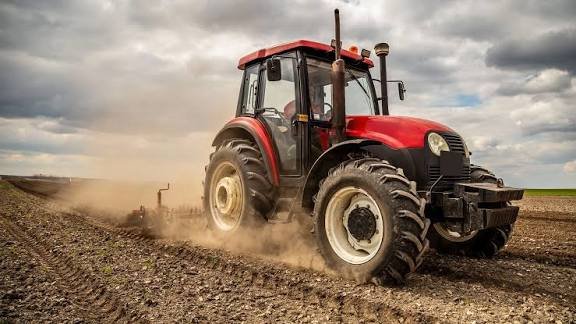
Farm equipment operates in some of the harshest filtration environments of any industry. Tractors, combine harvesters, balers, and sprayers spend long hours working through dry fields, kicking up dust, chaff, straw particles, and crop residue that constantly surround the engine’s air intake. Unlike a highway truck that mostly deals with road dust, agricultural machinery is often working directly inside a cloud of airborne debris for hours at a time during harvest season.
This makes filtration one of the most important — and most overlooked — factors in keeping farm equipment running reliably. A filter that isn’t built for these conditions can fail in a matter of days during peak season, leading to costly downtime exactly when a farm operation can least afford it.
In this guide, we look at why agricultural environments are so demanding on filters, what can go wrong when filtration falls short, and what to look for when sourcing filters for tractors, harvesters, and other farm machinery.
Why Agricultural Environments Are So Hard on Filters
Agricultural filtration faces a unique combination of challenges that most other industries don’t experience to the same degree:
- High dust concentration: Dry soil, tilling, and equipment movement generate constant airborne dust, especially during planting and harvest
- Chaff and crop residue: Combine harvesters in particular generate large volumes of light, fibrous chaff and straw fragments that can quickly mat over a filter’s surface
- Seasonal intensity: Unlike gradual wear from daily commuting, farm equipment is often pushed to its limits during short, intense harvest windows, where a filter has to perform reliably for consecutive 12+ hour days
- Mixed particle sizes: Field debris ranges from fine dust particles to larger organic material, requiring a filtration system that can handle both without clogging prematurely
What Happens When Filtration Fails on Farm Equipment
When an agricultural filter can’t keep up with these conditions, the consequences show up quickly and can be expensive:
- Reduced engine power as airflow becomes restricted by a clogged filter
- Increased fuel consumption as the engine compensates for restricted airflow
- Accelerated internal engine wear if fine dust particles bypass a poorly sealed or low-quality filter
- Unplanned downtime during harvest, when every day of delay can directly affect crop yield and revenue
- Shortened engine life, leading to higher long-term maintenance and replacement costs
For farm operators, filtration isn’t just a maintenance line item — it’s directly tied to how much productive time the equipment can deliver during a narrow seasonal window.
Key Features to Look for in Agricultural Machinery Filters
1. High Dust-Holding Capacity
Agricultural air filters need significantly more dust-holding capacity than standard automotive filters. A well-designed filter uses a larger pleated surface area to extend the time before the filter becomes restricted, reducing how often it needs to be cleaned or replaced during a busy harvest.
2. Pre-Cleaner or Two-Stage Filtration
Many tractors and combines use a pre-cleaner (a cyclonic or centrifugal separator) ahead of the main air filter to remove larger debris like chaff and straw before it ever reaches the filter media. Pairing a quality pre-cleaner with a properly rated primary and secondary filter significantly extends filter life in heavy debris conditions.
3. Durable, Moisture-Resistant Filter Media
Field conditions can shift quickly from dry and dusty to damp, especially during early morning harvesting or after rain. Filter media needs to hold its structural integrity and filtration performance even when exposed to humidity, without swelling, sagging, or losing its seal.
4. Reliable Sealing
A filter that fits loosely or doesn’t seal properly against the housing allows unfiltered air to bypass the media entirely — this is one of the most common (and most damaging) failure points in agricultural filtration, since even a small gap can let abrasive dust straight into the engine.
5. OEM-Matched Specifications
Because agricultural equipment brands and models vary widely (Deere, Kubota, New Holland, CASE IH, Massey Ferguson, and more), filters need to be manufactured to match OEM dimensions, flow rates, and micron ratings precisely. A filter that’s slightly off-spec may still fit the housing but fail to deliver the filtration performance the engine was designed around.
Common Filter Types Used in Agricultural Machinery
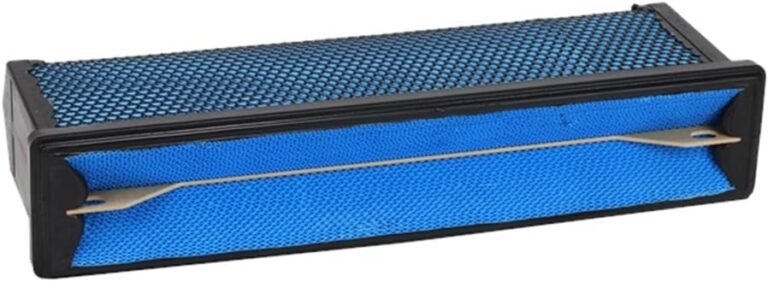
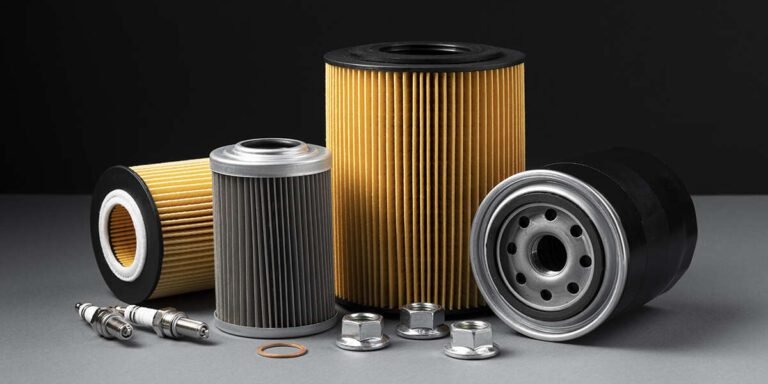
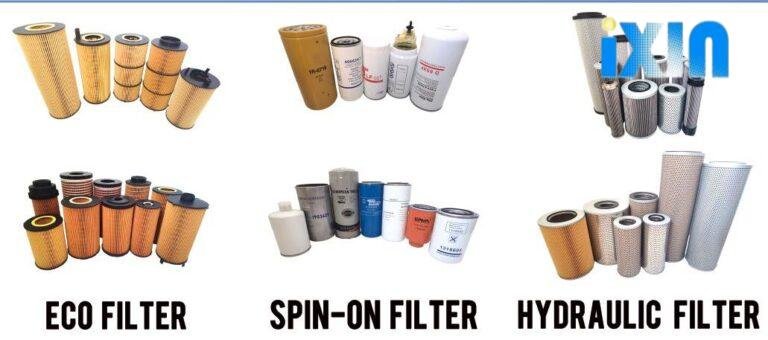
- Engine air filters — protect the engine’s combustion process from dust and chaff
- Cabin air filters — increasingly important as more tractors and combines feature enclosed, pressurized cabs to protect the operator from dust exposure during long shifts
- Fuel filters — remove contaminants and moisture from diesel fuel, which is critical given how much time agricultural equipment spends stored between seasons
- Hydraulic filters — protect the hydraulic systems that power implements, loaders, and other attachments
- Oil filters — maintain lubrication system cleanliness under sustained high-load operation
Sourcing Reliable Agricultural Filters: What Distributors Should Ask Suppliers
If you’re a distributor or dealer supplying filters for agricultural equipment, it’s worth confirming the following with any manufacturer:
- Are filters tested for dust-holding capacity under conditions comparable to field use, not just standard automotive testing?
- What filter media and pleat design is used, and is it suited for high-debris environments?
- Can the manufacturer match OEM cross-reference numbers accurately across major agricultural brands?
- Is there consistent quality control across production batches, especially for seasonal bulk orders placed ahead of planting or harvest?
Built for the Field
At IXIN Filter, we manufacture air filters, oil filters, fuel filters, and cabin air filters engineered to handle demanding off-road and agricultural conditions, not just standard highway use. Every batch of filter media is quality-checked before production, and our filters are cross-referenced against major agricultural and heavy-duty equipment brands to ensure a reliable fit and consistent performance.
Whether you’re a distributor supplying dealers ahead of harvest season or a fleet manager keeping farm equipment running through a tight planting window, filtration quality isn’t something to compromise on.
Looking for a reliable agricultural filter supplier ahead of your next busy season? Contact IXIN Filter to request a quote or product catalog.