Why Standard Filters Fail in Heavy-Duty Construction Machinery: A Buying Guide for Fleet Managers
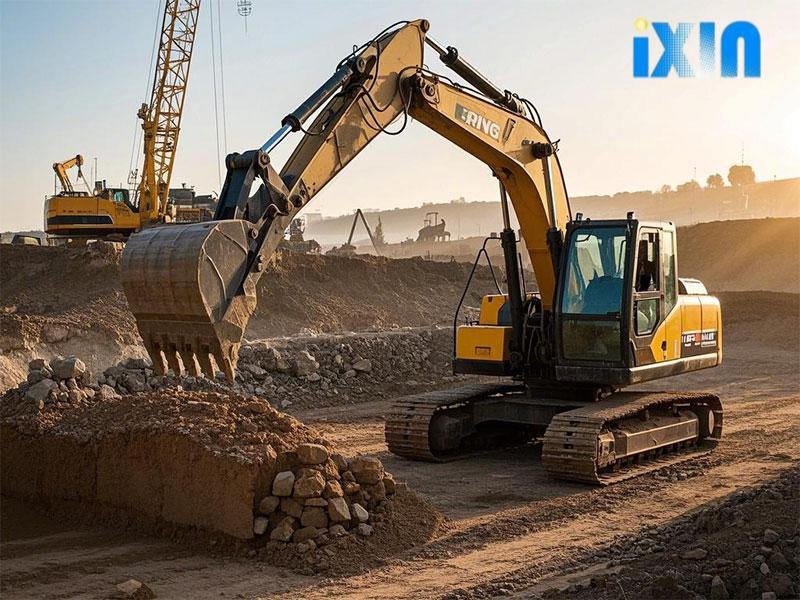
Construction sites are battlefields for heavy machinery. From excavators digging through abrasive soil to wheel loaders moving tons of dusty gravel, these machines operate in the harshest environments on earth. In these conditions, the engine’s “first line of defense”—the filtration system—is constantly under attack.
For fleet managers, choosing off-the-shelf or standard heavy-duty filters might seem like a cost-effective choice initially. However, using standard filters in extreme construction applications often leads to catastrophic engine wear, frequent downtime, and inflated maintenance costs.
Why do standard filters fail, and what should you look for when sourcing construction equipment filters? Let’s break it down.
The Extreme Challenges of Construction Environments
Heavy-duty construction machinery doesn’t operate in clean, paved environments. The filtration system has to contend with:
- High Dust Concentrations: A single excavator can ingest pounds of silica dust daily, rapidly clogging standard air filters.
- Severe Vibrations & Shocks: Constant impact loading causes structural fatigue, loosening filter components over time.
- Fuel and Oil Contamination: Construction sites often involve refueling in dirty conditions, introducing water and particulates directly into the tank.
- Extreme Temperature Fluctuations: From freezing morning starts to high-heat afternoon operations, filter materials expand and contract violently.
The 4 Ways Standard Filters Fail Under Pressure
When standard automotive or light-duty filters are pushed into heavy-duty construction roles, they fail in predictable ways:
1. Filter Media Rupture
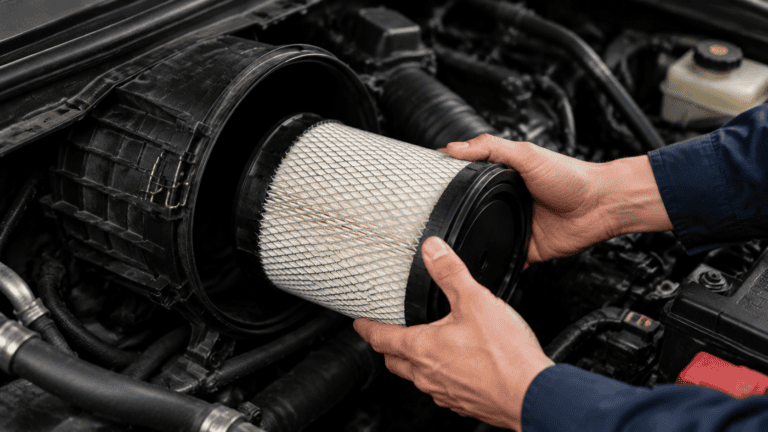
Standard filters often use basic cellulose (paper) media. Under the massive dust load of a construction site, the pores clog quickly, creating a severe pressure differential (restriction). The thin media eventually tears or ruptures, allowing unfiltered, abrasive dust straight into the engine cylinders.
2. Structural Collapse
Heavy machinery vibrates intensely. Standard filters often lack the robust internal support (like metal center tubes or reinforced end caps). Over time, the constant shaking causes the filter element to shift, tear, or collapse entirely inside the housing, rendering it useless.
3. Gasket and Seal Failure
Standard filters use basic rubber gaskets that can harden and shrink under extreme temperature cycling and chemical exposure. Once the seal fails, unfiltered air or oil bypasses the filter element entirely—a phenomenon known as “bypass leakage.”
4. Inadequate Water Separation
Modern high-pressure common rail (HPCR) diesel engines are highly sensitive to water. Standard fuel filters often lack advanced water-separation technology. Even a few drops of water passing through can destroy expensive fuel injectors in minutes.
What Fleet Managers Should Look For: The Buying Guide
To protect your multi-million dollar fleet and minimize Total Cost of Ownership (TCO), you need true heavy-duty filtration. Here are the critical specs to demand from your supplier:
1. High-Efficiency Multi-Layer Media
Look for filters utilizing a blend of cellulose and synthetic micro-glass fibers. This multi-layer design offers:
- High Dirt-Holding Capacity: Traps more dust before needing replacement, extending service intervals.
- High Filtration Efficiency: Captures microscopic particles (often down to 10 microns or less) that destroy engine bearings.
2. Heavy-Duty Structural Reinforcement
Ensure the filter features:
- Metallic internal center tubes to prevent collapse under pressure surges.
- Deep-pleated media to maximize surface area.
- Robust steel end caps bonded with high-temp adhesive, ensuring the media doesn’t unroll under vibration.
3. Advanced Fuel Water Separation
For fuel filters, demand components with integrated hydrophobic media or coalescing technology that actively repels water, ensuring your HPCR injectors remain protected in dirty refueling environments.
4. Exact OEM Specifications & Cross-Reference
A filter that “almost fits” is a massive risk. Bypass valves and flow rates are calculated precisely by OEMs. Always choose a manufacturer that provides an accurate OEM filter cross-reference to guarantee the replacement matches the exact flow rate, pressure drop, and dimensions of the original part.
The IXIN Solution: Engineered for the Extreme
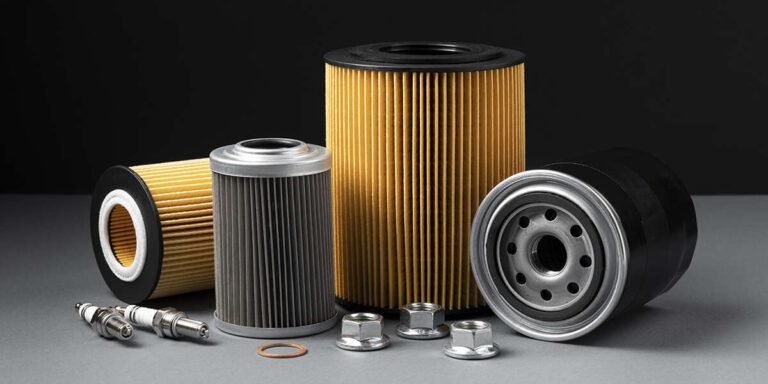
At IXIN, we understand that construction machinery requires more than just a standard filter. As a specialized manufacturer of filters for heavy-duty trucks and construction equipment, we engineer our products to survive where others fail.
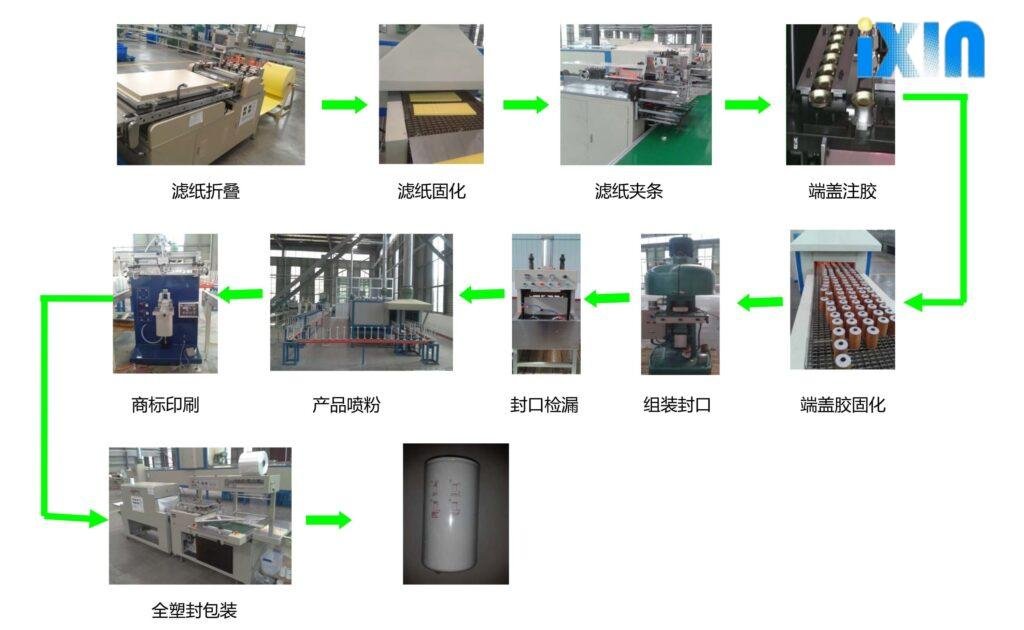
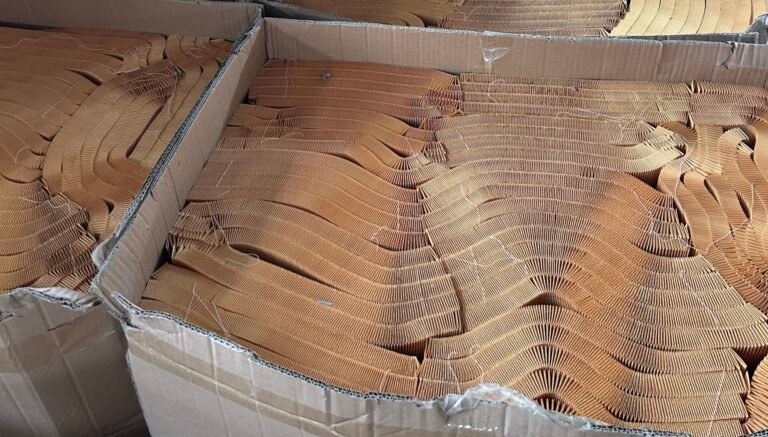
- Premium Media: We utilize high-capacity, multi-layer composite media designed to capture micro-contaminants while maintaining optimal airflow and oil flow.
- Rugged Construction: Every IXIN heavy-duty filter features reinforced metal internals and high-temperature silicone gaskets that won’t crack under vibration or extreme weather.
- Precision OEM Fit: Whether you are operating JCB excavators, Doosan wheel loaders, or Mercedes Actros dump trucks, our strict [OEM cross-reference database] ensures a perfect, reliable fit every time.
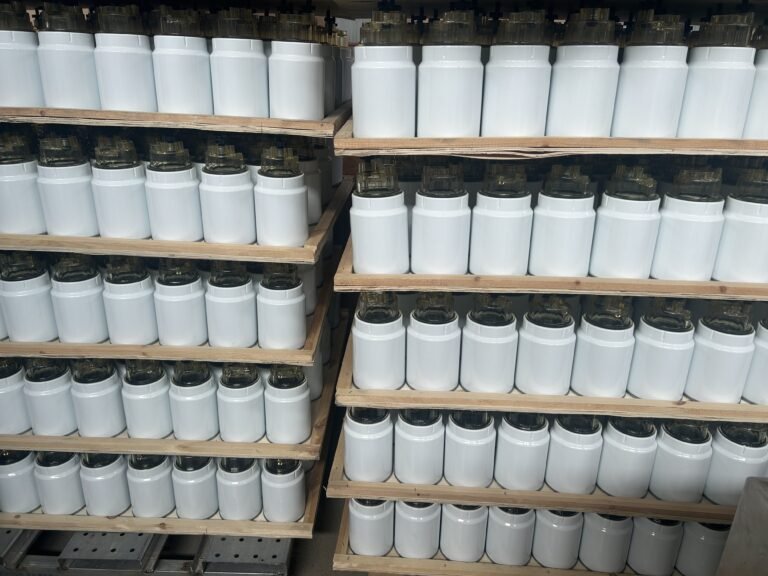
- Advanced Fuel Separation: Our [Fuel Water Separator filters] are specifically designed to protect modern diesel engines from aggressive water contamination.
Don’t let a cheap filter compromise the heart of your heavy machinery.
Looking for reliable, high-efficiency filters for your fleet? [Browse our Construction Machinery Filter Catalog] or [Contact our engineering team today] for OEM/ODM wholesale solutions tailored to your market.