
Why Filter Media Quality Matters More Than Most Buyers Realize
When purchasing truck air filters, many buyers focus on dimensions, compatibility, or price. However, the most critical component inside any filter is the filter media.
Filter media determines how effectively a filter captures contaminants, maintains airflow, and protects the engine. Whether you are a truck parts distributor, fleet manager, repair shop owner, or OEM buyer, choosing filters made with poor-quality filter media can lead to costly maintenance issues and customer complaints.
In this article, we’ll explore the eight most common problems caused by low-quality filter media and explain why professional filter manufacturers invest heavily in premium filtration materials.
What Is Filter Media?
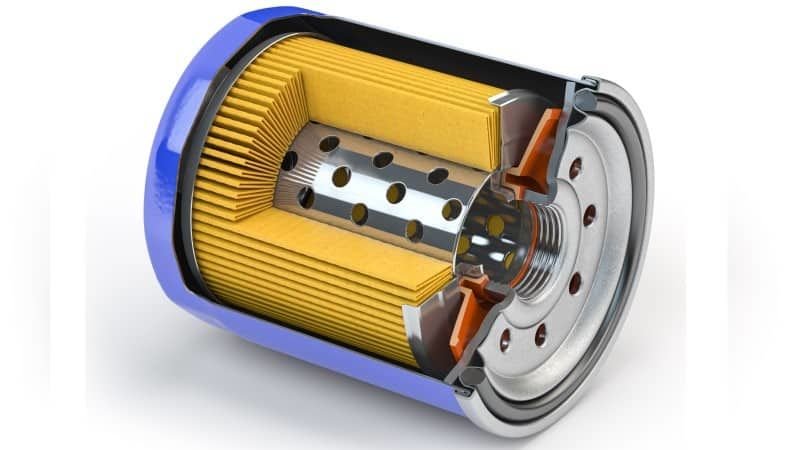
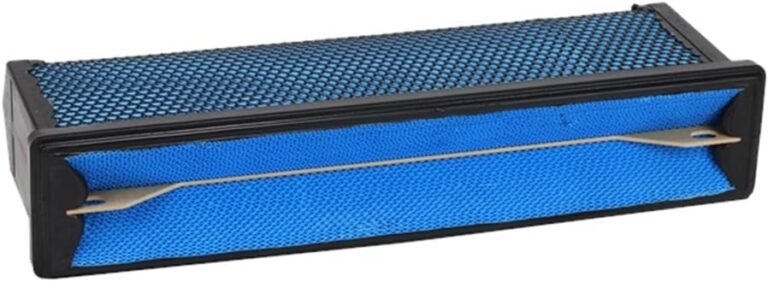
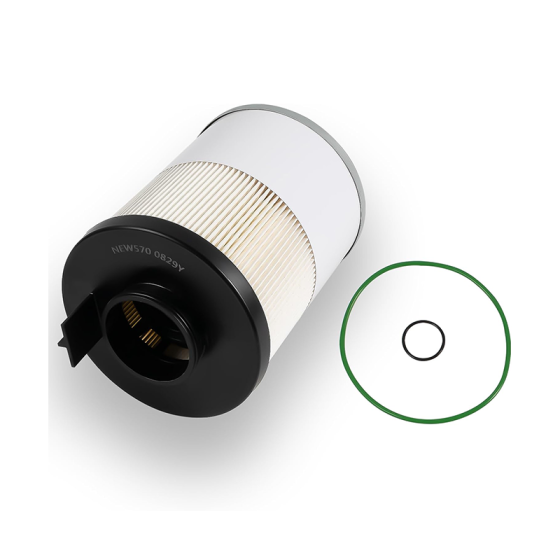
Filter media is the material responsible for trapping dust, dirt, soot, and other airborne contaminants before they enter the engine.
Common filter media types include:
- Cellulose filter paper
- Synthetic filter media
- Nanofiber filter media
- Blended filtration materials
The quality of the filter media directly impacts:
- Filtration efficiency
- Airflow performance
- Dust holding capacity
- Service life
- Engine protection
1. Reduced Filtration Efficiency
The most obvious problem with poor filter media is low filtration efficiency.
Inferior filter paper often contains inconsistent fibers and uneven pore structures, allowing harmful particles to pass through the filter.
As a result:
- More dust enters the engine
- Internal engine wear increases
- Engine lifespan decreases
For heavy-duty trucks operating in dusty environments, filtration efficiency is essential for long-term engine protection.
2. Faster Filter Clogging
Low-quality filter media generally has lower dust holding capacity.
Instead of capturing contaminants efficiently, the filter becomes clogged much sooner than expected.
Common symptoms include:
- Restricted airflow
- Reduced engine power
- Increased fuel consumption
- Frequent filter replacement
Fleet operators often discover that cheap filters cost more in the long run because they require more frequent maintenance.
3. Increased Engine Wear
One of the most expensive consequences of poor filter media is accelerated engine wear.
When fine particles bypass the filter:
- Cylinder walls become damaged
- Pistons wear faster
- Turbochargers suffer contamination
- Engine performance deteriorates
This issue is particularly serious for diesel engines operating under heavy loads.
4. Higher Fuel Consumption
Airflow is critical for proper engine combustion.
Poor filter media can restrict airflow due to:
- Weak pleat structure
- Rapid clogging
- Low permeability
When airflow decreases, the engine works harder to maintain performance.
This often leads to:
- Reduced fuel efficiency
- Increased operating costs
- Lower overall vehicle performance
For fleet operators managing dozens or hundreds of trucks, even a small increase in fuel consumption can significantly impact annual expenses.
5. Shorter Filter Service Life
Premium filter media is designed to withstand long operating periods.
Low-quality media often suffers from:
- Fiber breakdown
- Moisture damage
- Structural collapse
- Premature clogging
As a result, filters must be replaced more frequently.
This increases:
- Maintenance costs
- Labor costs
- Inventory requirements
A longer-lasting filter provides better value than simply choosing the lowest purchase price.
6. Poor Performance in Harsh Environments
Heavy-duty trucks often operate in:
- Construction sites
- Mining operations
- Agricultural areas
- Desert environments
These applications generate large amounts of airborne dust.
Low-grade filter media struggles to perform under these conditions and may fail much earlier than expected.
Professional OEM filter manufacturers often use advanced synthetic or nanofiber media specifically designed for severe-duty applications.
7. Increased Customer Complaints and Warranty Claims
For truck parts distributors and repair shops, poor filter media can create significant after-sales problems.
Common customer complaints include:
- Filters clogging too quickly
- Reduced engine performance
- Poor fitment
- Short service life
These issues often result in:
- Product returns
- Warranty claims
- Negative reviews
- Loss of customer trust
Choosing filters with high-quality filter media helps protect both your customers and your reputation.
8. Higher Total Cost of Ownership
Many buyers choose low-cost filters to reduce purchasing expenses.
However, poor filter media often creates hidden costs through:
- More frequent replacements
- Increased maintenance
- Higher fuel consumption
- Engine wear
- Vehicle downtime
In most cases, premium filter media delivers a lower total cost of ownership over the life of the vehicle.
This is why professional fleet managers focus on long-term value rather than initial purchase price alone.
How to Identify High-Quality Filter Media
When evaluating truck air filters, consider the following factors:
Consistent Pleat Structure
Uniform pleats improve airflow and contaminant retention.
High Dust Holding Capacity
Quality media should retain large amounts of contaminants without restricting airflow.
Strong Moisture Resistance
Filters should maintain performance in humid and wet environments.
Reliable Manufacturer Testing
Professional manufacturers perform:
- Filtration efficiency testing
- Airflow testing
- Dust loading tests
- Structural integrity tests
OEM Manufacturing Standards
Working with an experienced OEM filter manufacturer ensures better consistency and product quality.
Why Professional Filter Manufacturers Invest in Premium Filter Media
Leading truck filter manufacturers understand that filter media is the heart of the product.
Premium materials help provide:
- Better engine protection
- Longer service life
- Higher filtration efficiency
- Improved fuel economy
- Reduced maintenance costs
For distributors, repair shops, and fleet operators, choosing filters made with high-quality media can improve customer satisfaction and reduce operational expenses.
Final Thoughts
While filter media is often hidden inside the filter, it plays the most important role in overall filtration performance.
Poor filter media can cause reduced filtration efficiency, engine wear, increased fuel consumption, short service life, and costly maintenance problems.
For buyers seeking reliable heavy-duty truck filters, evaluating the quality of the filter media should be a top priority. Partnering with an experienced OEM filter manufacturer ensures access to premium filtration technology and consistent product performance.
Investing in better filter media today can help protect engines, reduce downtime, and lower operating costs for years to come.
One Comment