Hydraulic Filtration Best Practices: 7 Proven Tips for Construction Equipment
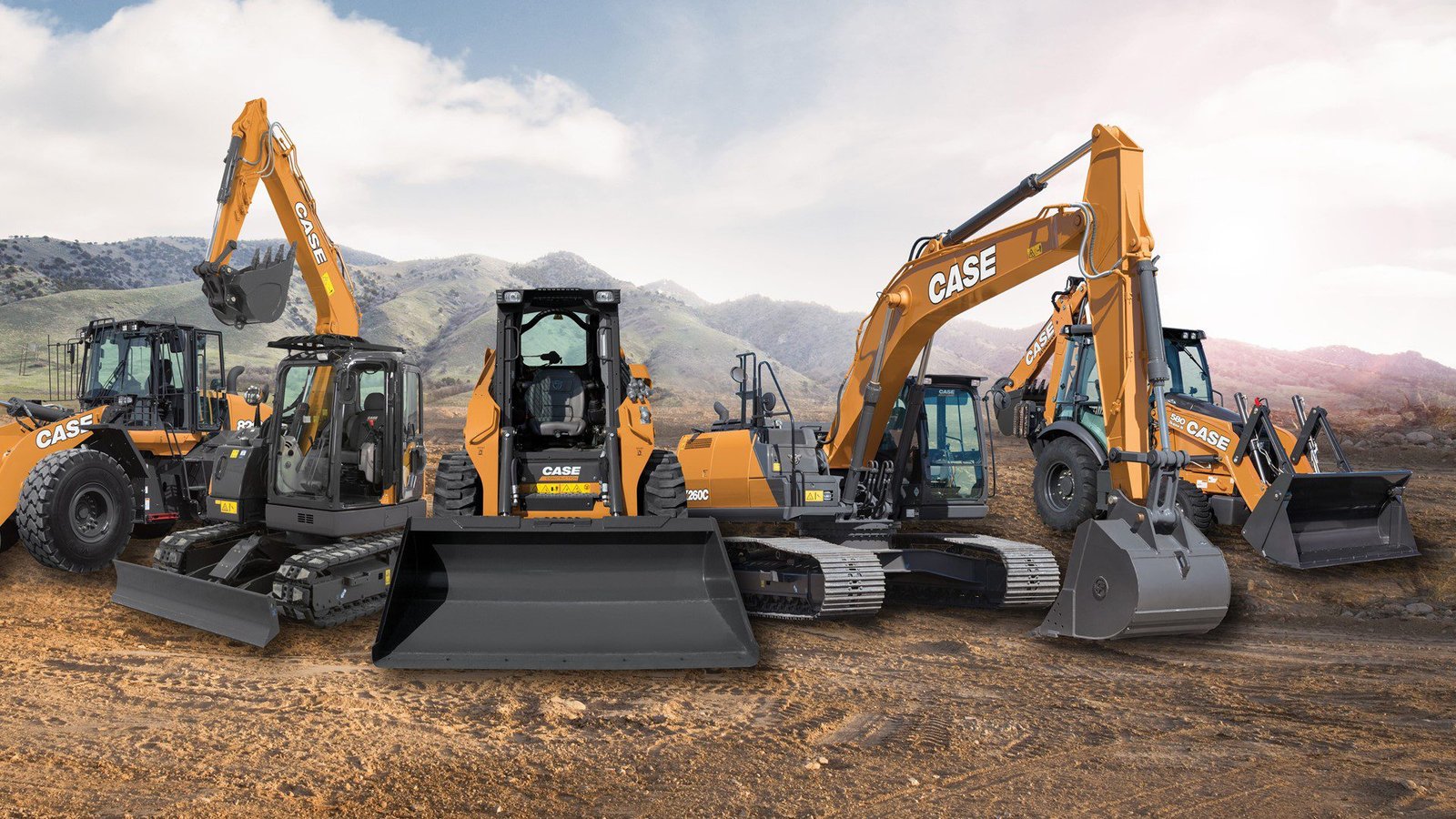
Hydraulic systems are the muscle behind almost every piece of construction equipment — excavators, loaders, bulldozers, and cranes all depend on clean, well-maintained hydraulic fluid to move with precision and power. Yet hydraulic contamination remains one of the leading causes of component failure in construction machinery, and it’s often preventable with consistent filtration practices.
Following solid hydraulic filtration best practices isn’t just about avoiding breakdowns — it directly affects equipment lifespan, repair costs, and how much unplanned downtime a fleet experiences during a busy season. Below are seven practical steps every fleet manager, mechanic, or distributor should understand.
1. Understand That Contamination Is the #1 Cause of Hydraulic Failure
Industry estimates commonly cite that somewhere between 70-80% of hydraulic system failures trace back to fluid contamination, not mechanical wear — a figure repeatedly confirmed by industry research on hydraulic contamination, which points to contamination as the cause of 65% to 90% of all hydraulic-system failures. Contaminants — whether dirt, metal particles, or moisture — cause abrasive wear on pumps, valves, and cylinders, gradually degrading performance long before a visible failure occurs. Recognizing contamination as the primary threat (rather than treating filtration as an afterthought) is the foundation of good hydraulic maintenance.
2. Choose the Right Micron Rating for the Application
Not all hydraulic systems need the same level of filtration. High-precision components, like servo valves and piston pumps, are far more sensitive to fine particles than simpler gear pumps. Using a filter with too coarse a micron rating allows damaging particles through; using one that’s unnecessarily fine can create excess pressure drop and shorten filter life. Matching the filter’s micron rating to the specific system’s sensitivity — based on OEM recommendations — is a foundational best practice, not a minor detail.
3. Follow a Consistent Fluid Sampling Schedule
Regular fluid sampling and analysis is one of the most effective ways to catch contamination before it causes damage. Testing for particle count, moisture content, and viscosity on a set schedule (not just when a problem is suspected) gives fleet managers real data to base maintenance decisions on, rather than guessing based on hours of operation alone. Many contamination-related failures show early warning signs in fluid analysis results weeks before a mechanical symptom appears.
4. Don’t Overlook Filter Change Intervals — But Don’t Over-Rely on Them Either
Manufacturer-recommended filter change intervals are a useful baseline, but operating conditions vary significantly between a machine working in a clean indoor facility and one working in a dusty quarry or demolition site. Fleet managers should treat OEM intervals as a starting point and adjust based on actual operating environment, fluid analysis results, and filter condition indicators (such as differential pressure gauges), rather than applying a single blanket schedule across an entire fleet.
5. Protect the System During Fluid Changes and Component Repairs
A significant amount of hydraulic contamination enters systems not during normal operation, but during maintenance — when reservoirs are opened, hoses are disconnected, or components are replaced. Using clean tools, capping open lines immediately, and working in a controlled environment during fluid changes and repairs prevents introducing new contamination right after a system has just been cleaned or serviced.
6. Monitor Differential Pressure, Not Just Calendar Time
A pressure differential gauge across the filter tells you how loaded the filter actually is — a more accurate indicator of when replacement is needed than elapsed time alone. A filter that’s still well within its rated life on the calendar may already be significantly restricted in a high-debris environment, while a filter in a cleaner environment might have useful life left past its “standard” interval. Where budget allows, differential pressure indicators are one of the most practical upgrades a fleet can make to its filtration monitoring.
7. Choose Filters Built to OEM Filtration Standards, Not Just OEM Fitment
A filter that physically fits the housing isn’t automatically equivalent in performance. Filtration efficiency, dirt-holding capacity, and burst strength all need to match or exceed OEM specifications — not just the outer dimensions. This is especially important for distributors sourcing replacement filters at scale: a supplier who can demonstrate testing data against OEM filtration standards is a materially safer choice than one who can only confirm that a part “fits.”
Why This Matters for Fleet Managers and Distributors
Hydraulic contamination-related failures are expensive in ways that go beyond the cost of a single filter or fluid change:
- Component replacement costs for pumps, valves, and cylinders are often many times higher than routine filtration maintenance
- Unplanned downtime during a project deadline or a busy construction season can cost more than the repair itself
- Warranty and reliability issues compound when a distributor’s filtration products don’t consistently meet OEM performance specifications
For distributors specifically, being able to speak confidently about filtration testing, micron ratings, and OEM-equivalent performance — not just part number matching — builds the kind of trust that turns a one-time buyer into a repeat customer.
Built to Support Reliable Hydraulic Systems
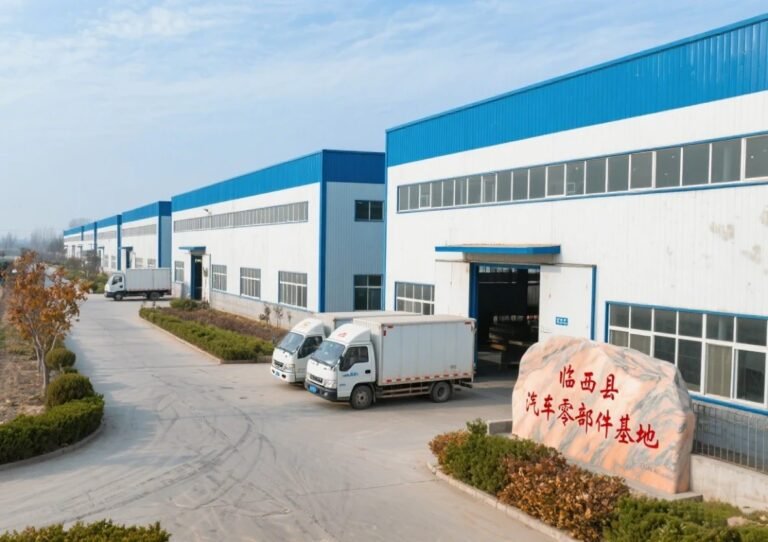
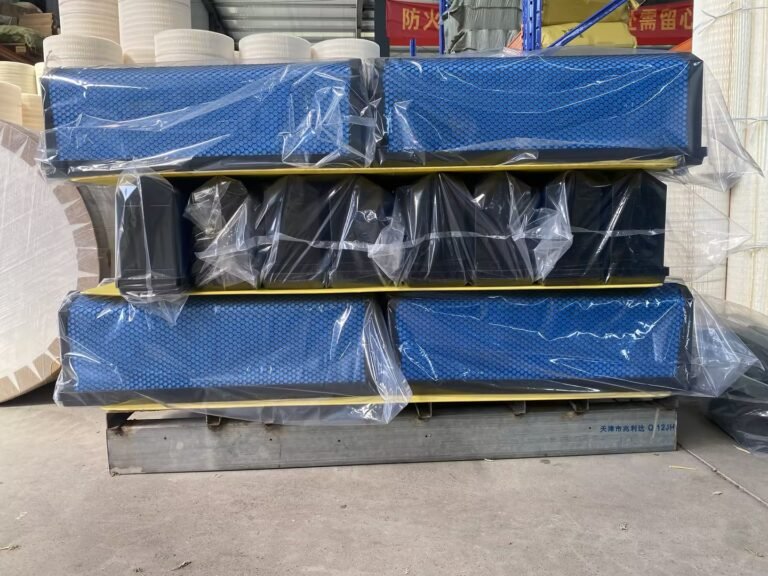
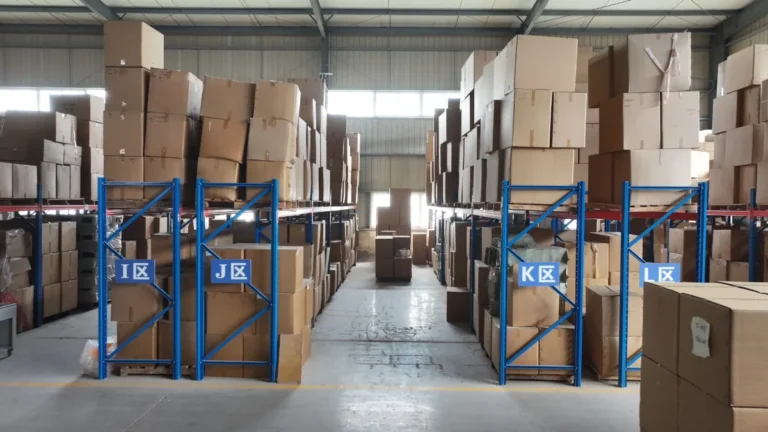
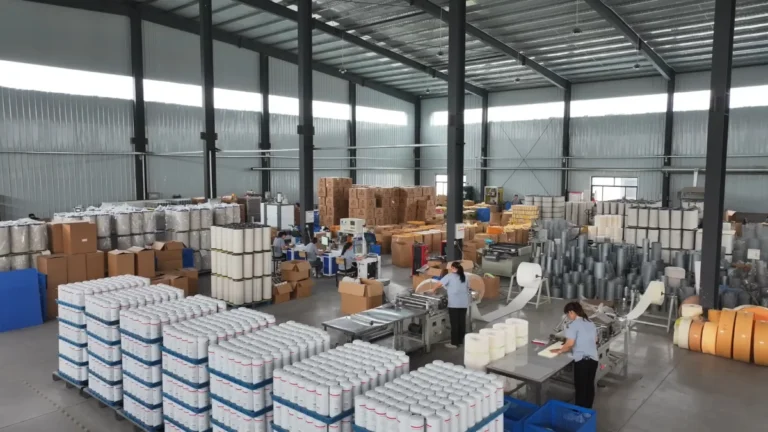
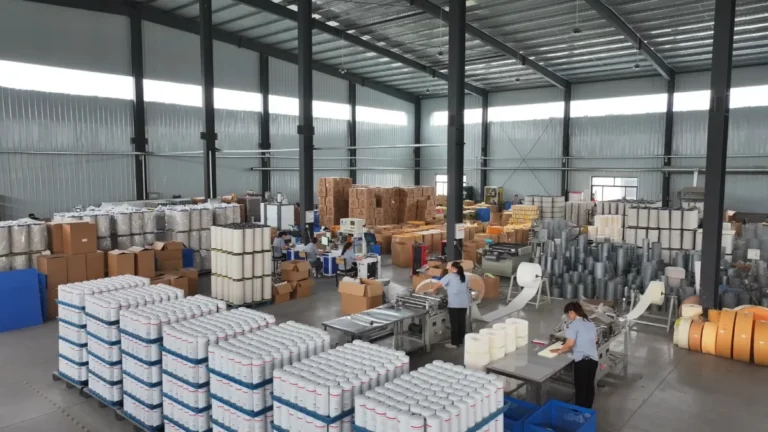
At IXIN Filter, we manufacture hydraulic filters, oil filters, air filters, and fuel filters engineered to meet the demands of construction, mining, and heavy equipment applications. Every batch is quality-checked before production, and our filters are cross-referenced against major OEM specifications to help distributors and fleet managers apply these hydraulic filtration best practices with confidence.
Whether you’re sourcing hydraulic filters for a growing fleet or evaluating a new supplier for the first time, we’re glad to share testing documentation and walk through our quality control process.
Want to see how IXIN Filter can support your hydraulic filtration needs? Contact IXIN Filter to request a product catalog or quote.