Air filter media moisture absorption is one of the least visible failure modes in filtration — an engine air filter can look perfectly intact from the outside — clean pleats, no visible tears, still seated correctly in the housing — and still be failing internally because the media has absorbed moisture. This is also one of the most damaging failure modes, because dust can start bypassing the filter long before anyone notices something is wrong.
Why Some Filter Media Absorbs Moisture in the First Place
Cellulose-based filter media is inherently hydrophilic — its fiber structure readily absorbs water from humid air, rain exposure, or wash-down conditions. Not all media treatments handle this the same way: some cellulose media is resin-impregnated or chemically treated to resist moisture absorption, while untreated or lower-grade media absorbs water much more readily. According to research on cellulose-based filtration materials, when cellulose is exposed to moisture, it tends to absorb it, resulting in expansion and deformation that alters the filter’s structure and performance — a mechanism directly relevant to why some engine air filters degrade faster in humid or wet operating environments than their rated service life would suggest.
What Actually Happens Inside the Filter When Air Filter Media Moisture Builds Up
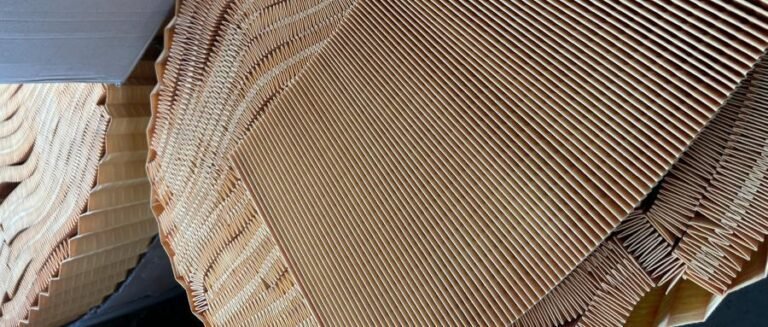
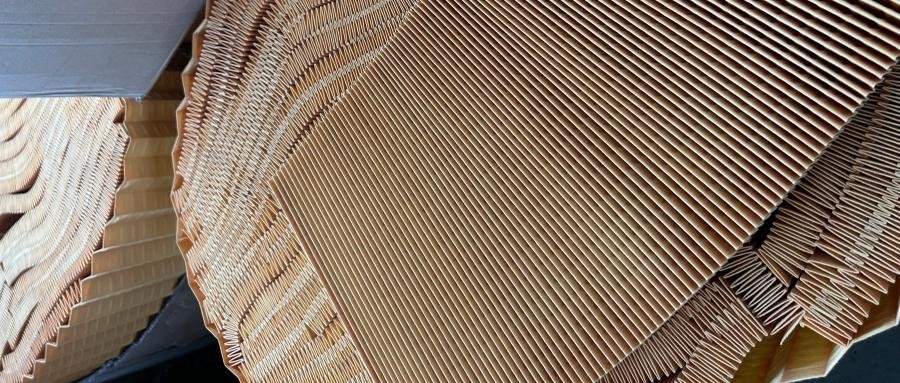
1. The media physically swells. As cellulose fibers absorb moisture, they expand. In a pleated filter, this swelling can distort pleat spacing, reducing the effective surface area available for airflow and, in some cases, creating uneven gaps where filtration performance weakens.
2. Structural integrity drops. Wet cellulose is significantly weaker than dry cellulose. The media that normally resists collapsing under intake vacuum pressure becomes more prone to sagging, tearing, or losing its shape — especially under the constant vibration of a running diesel engine.
3. Filtration efficiency can decline before the filter “looks” due for replacement. This is the failure mode that catches people off guard: a filter can appear structurally fine on visual inspection while its actual filtration performance has already dropped, because the moisture-related degradation happens within the media structure, not on its visible surface.
4. Dust bypass becomes possible without an obvious warning sign. Once media integrity is compromised, dust and fine particulate can pass through weakened or gapped sections of the filter and reach the engine intake — the exact failure mode a filter is supposed to prevent, occurring silently.
5. In severe cases, mold or bacterial growth can develop. Persistent moisture in filter media creates conditions where microbial growth becomes possible, which can further degrade the media and, in some applications, introduce contamination concerns beyond pure filtration performance.
Where This Risk Is Highest
- Humid climates — Consistently high ambient humidity accelerates moisture absorption even without direct water exposure.
- Marine and coastal operating environments — Salt-laden humid air combines moisture exposure with corrosive conditions.
- Wash-down applications — Equipment that’s regularly power-washed (common in agriculture and food-adjacent industries) exposes the air intake to direct water contact.
- Monsoon or heavy-rain regions — Intake systems not fully sealed against driving rain face repeated moisture cycling.
- Equipment stored outdoors between uses — Condensation cycling (temperature swings causing repeated condensation and drying) can degrade media even without active operation.
How Manufacturers Address Moisture Resistance
Better-engineered filters use media treatments specifically designed to resist water absorption — resin impregnation, silicone treatment, or specialized coatings that reduce the media’s hydrophilic tendency without compromising filtration efficiency. Some manufacturers also use synthetic media blends, which are inherently less prone to moisture-related swelling than pure cellulose. The trade-off is usually cost: moisture-resistant treatments and synthetic blends typically cost more to produce than untreated cellulose media.
What This Means for Buyers
Air filter media moisture resistance isn’t something you can judge from a photo or a spec sheet alone. If your equipment operates in a humid climate, coastal environment, or any application involving regular water exposure, it’s worth asking your filter supplier directly:
- Is the media resin-impregnated or otherwise treated for moisture resistance?
- Has the filter been tested under humid or wet conditions, not just standard dry dust testing?
- What’s the expected performance difference between this filter and an untreated cellulose equivalent in your specific operating environment?
A supplier who can answer these questions with specifics — rather than a general “our filters are durable” — is a stronger signal of genuine engineering behind the product. This is one of seven ways filter media quality affects real-world performance that often aren’t visible from a spec sheet alone.
Operating in a humid or wet environment and need a filter engineered for it? Browse our air filter catalog, review our checklist for choosing an air filter factory, or contact our sales team to discuss your specific operating conditions.