How to Choose the Right Cabin Air Filter for Heavy-Duty Trucks
Choosing the right cabin air filter for heavy-duty trucks affects driver comfort, HVAC performance and your return rate. A driver can spend 10 hours or more a day in the cab. Dust, pollen, exhaust fumes and road odors all enter through the ventilation system, and the cabin filter is the only barrier between that air and the driver.
For distributors and fleet buyers, the wrong filter means fit problems, poor filtration and returns. That is why selecting a cabin air filter for heavy-duty trucks starts with knowing your operating conditions. This guide covers six checks to make before you buy. IXIN Filter has manufactured filters since 2010, including our cabin air filter range for heavy-duty applications.
Why the Cabin Air Filter for Heavy-Duty Trucks Matters
Heavy-duty trucks work in harsher conditions than passenger cars. Typical environments include construction sites, mines, unpaved roads, ports and long-haul highways. A good cabin filter does four things:
- Reduces dust and pollen entering the cab
- Helps limit exhaust and odor intrusion (with carbon media)
- Protects the HVAC evaporator and blower from clogging
- Keeps airflow steady, so the A/C and heater work properly
A clogged filter reduces airflow and makes the blower work harder. As a result, drivers may notice foggy windshields and weak cooling.
Confirm the Exact Fit
Fit comes first. A filter that is slightly too small lets unfiltered air bypass the media. A filter that is too large will not seat properly.
Check the following:
- Truck make, model and year
- OE part number of the original filter, used as a reference
- Dimensions: length, width and thickness (in mm and inches)
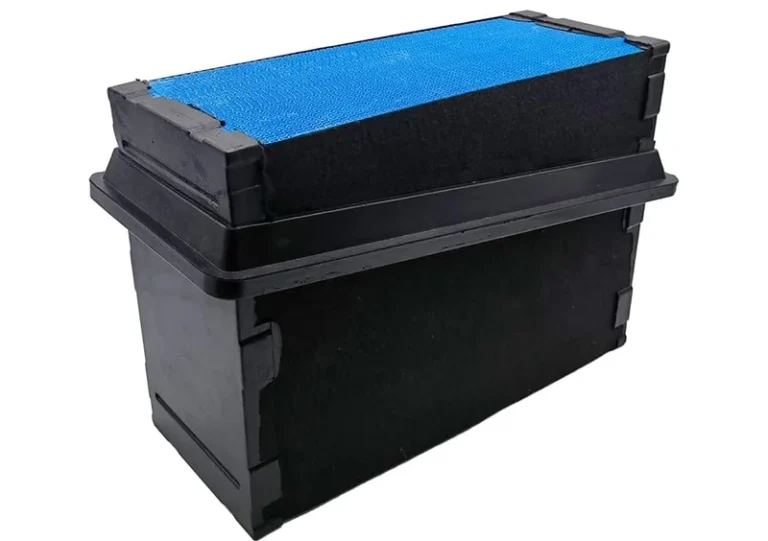
- Shape and frame: flat panel, pleated filter with a plastic frame, or a special end cap
- Single or dual filter housing: some cabs use two filters, so confirm the quantity per vehicle
Treat OE numbers as cross-reference only. Always check the physical dimensions against a sample or drawing, because similar-looking filters can differ by a few millimeters.
Choose the Right Filter Media Type
The cabin air filter for heavy-duty trucks comes in three common media types.
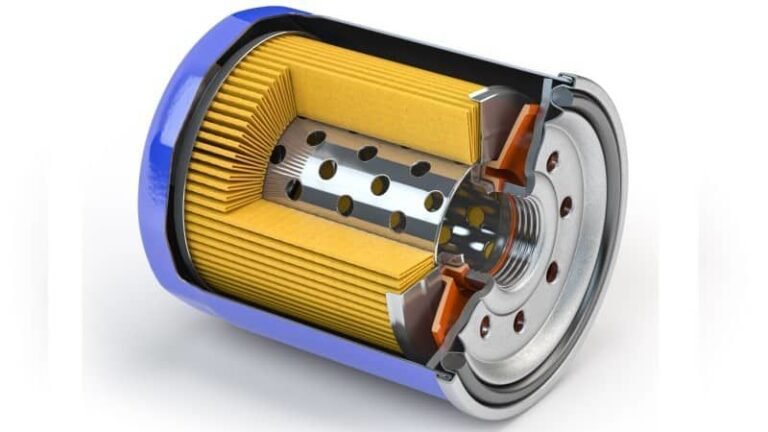
1. Particulate filters (standard): multi-layer non-woven fabric that captures dust, pollen and larger particles. They suit general highway use at a lower cost.
2. Activated carbon filters: these include a carbon layer that adsorbs odors and some gaseous pollutants such as exhaust fumes. They are a good choice for city driving, ports, traffic congestion and industrial areas.
3. Combination (multi-layer) filters: these combine a particulate layer with a carbon layer, and sometimes an electrostatic layer for finer particles. Buyers often choose them for premium or long-haul use.
| Operating Condition | Recommended Type |
|---|---|
| Highway, light dust | Standard particulate |
| Urban, port, heavy traffic | Activated carbon |
| Mining, construction, desert | Multi-layer with higher dust capacity |
| Long-haul, driver comfort priority | Carbon or combination |
To understand how media choice affects service life, read our guide on cellulose vs synthetic filter paper in heavy-duty truck filters.
Consider the Operating Environment
The same truck needs different filters in different regions.
- Dusty and hot regions (such as the Middle East): choose media with high dust-holding capacity and a sturdy frame that resists heat deformation. Expect shorter replacement intervals.
- Mixed urban and highway use (such as the US): carbon or combination filters help with traffic fumes and long hours in the cab.
- Rural and unpaved roads (such as parts of South America): dust load is high, so check that the edges seal well and the frame is strong.
Check Quality Indicators
When evaluating any truck cabin air filter, ask your supplier for evidence, not only claims.
- Filtration efficiency test reports. Cabin filters are commonly tested under standards such as ISO/TS 11155-1, which covers particulate filtration testing for passenger compartment air filters. Ask which standard your supplier uses and request the report.
- Airflow resistance (pressure drop). A filter that captures well but restricts airflow too much will hurt HVAC performance.
- Dust-holding capacity. Higher capacity usually means a longer service life.
- Pleat quality. Even pleat spacing, firm pleats and no glue gaps show consistent manufacturing.
- Frame and sealing. Look for a rigid frame, clean edge sealing and no loose fibers.
- Carbon quality. For carbon filters, ask about carbon weight and whether the carbon is evenly bonded. Loose carbon dust is a bad sign.
- Material compliance. Ask about RoHS or REACH if you sell into regulated markets.
For a full supplier checklist, see how to audit a truck filter supplier in China before placing an order.
Know the Replacement Interval
Follow the vehicle manufacturer’s recommendation as the baseline. As a general guide, fleets often replace cabin filters once or twice a year. In dusty conditions, they replace them sooner.
Signs the filter needs replacing:
- Weak airflow from the vents
- Musty or unpleasant odors
- Windows that fog up easily
- Visible dirt or blockage on the filter
- Unusual blower noise
Choose a Supplier You Can Rely On
The filter itself is only part of the decision. You should evaluate the supplier too:
- Manufacturer or trader: a factory with its own production line gives you more control over quality and lead time
- Samples: can you test fit and quality before placing a bulk order?
- Customization: filter paper quality, metal thickness and packaging should be adjustable to your market
- Lead time: in-stock items typically ship faster than made-to-order items, so plan inventory accordingly
- Consistency: the first batch should match later batches
- After-sales support: clear communication and claim handling
Be careful with suppliers who use another brand’s name, logo or packaging. OE numbers are for reference only, and products should never be sold as original-brand parts. If you are comparing factories, our guide on how to choose an OEM truck filter factory explains what to look for.
Quick Checklist Before You Order
- Confirm the truck model, year and OE reference number
- Verify dimensions against a sample or drawing
- Pick the media type that matches the operating environment
- Request test reports for efficiency and airflow resistance
- Inspect pleats, frame and sealing on a sample
- Confirm packaging, customization options and lead time
- Check the supplier’s quality system and export experience
Conclusion
The right cabin air filter for heavy-duty trucks comes down to accurate fit, the right media for the working environment, verified quality and a dependable supplier. Spending a little more time on these checks reduces returns and keeps drivers comfortable.
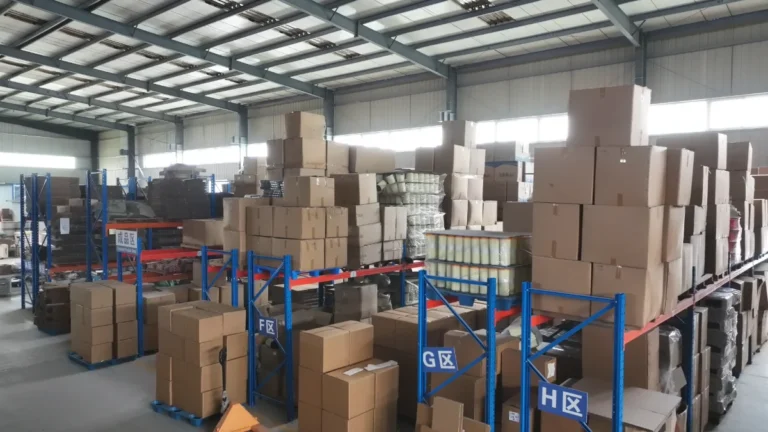
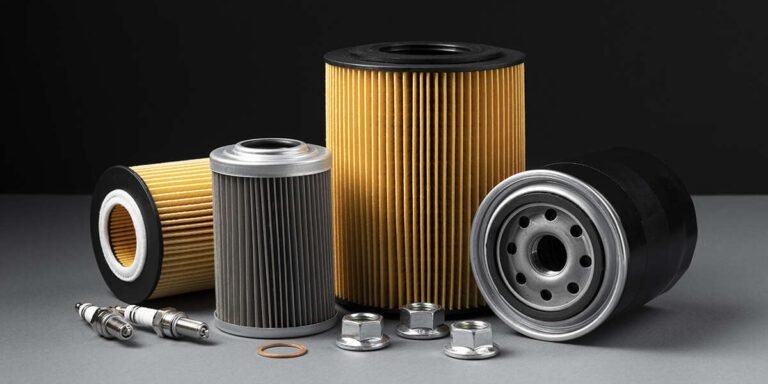
IXIN Filter (Linxi County Ixin Auto Parts Co., Ltd.) has been a professional filter manufacturer since 2010, based in Linxi County, Hebei, one of North China’s major auto parts production bases. We run our own factory and supply cabin air filters together with engine air, oil and fuel filters for heavy-duty trucks, buses, construction and agricultural machinery. We support customization of filter paper quality, metal thickness and packaging, and we serve distributors, wholesalers, fleets and repair shops in more than 60 countries.
FAQ
Q: How often should I replace a cabin air filter for heavy-duty trucks?
A: Follow the vehicle manufacturer’s schedule. Many fleets replace it once or twice a year, and more often in dusty environments such as mines, construction sites and desert routes.
Q: Is an activated carbon cabin filter better than a standard one?
A: Carbon filters also reduce odors and some exhaust gases, so they suit city, port and traffic-heavy routes. For clean highway use, a standard particulate filter may be enough. The choice depends on your operating conditions.
Q: Can I use an OE number to find the right filter?
A: OE numbers are a good starting point. However, always verify dimensions and housing type against a sample or drawing before ordering in bulk.
Q: Can I customize the filters?
A: Yes. Contact our sales team with your requirements for paper quality, metal thickness and packaging.
Q: How long is the delivery time?
A: In-stock goods generally ship in 5 to 10 days. Items that are not in stock take 15 to 45 days, depending on quantity.
Need a cabin air filter for a specific truck model? Send us the OE number or vehicle details, and we will reply with specifications and a quotation.
Email: sales@ixinfilters.com | WhatsApp: +86 18833443345 | Get a quote