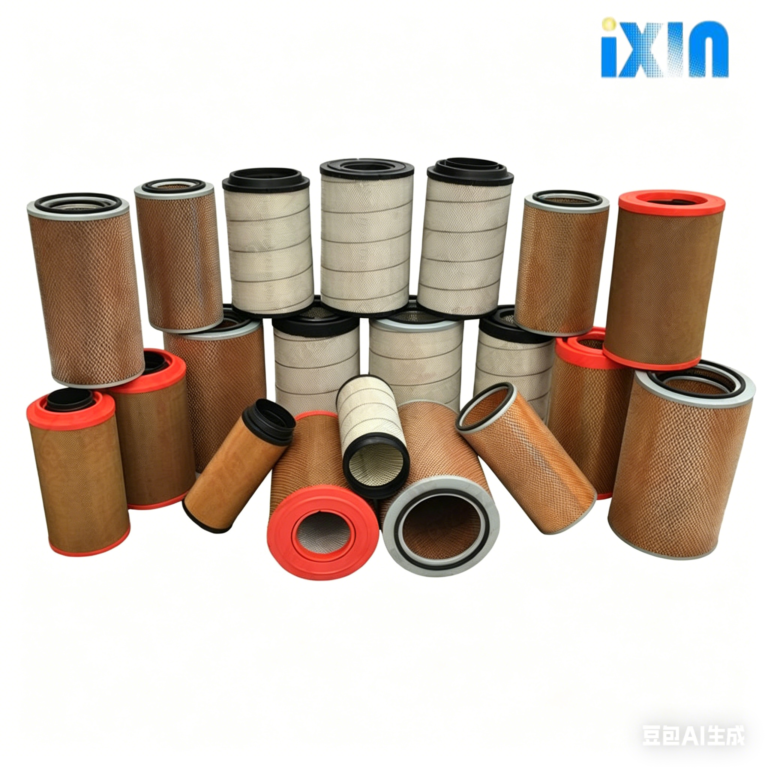
From the outside, two engine air filters with the same part number can look nearly identical — same shape, same size, same price range on a listing page. The difference between premium vs low-quality air filters usually isn’t visible at a glance. It shows up in engine wear, fuel efficiency, and replacement frequency months after the purchase, once it’s much harder to trace the problem back to the filter itself.
For fleet managers and distributors buying in volume, understanding what actually separates premium vs low-quality air filters is worth the extra attention — the cost difference at purchase is often small compared to the cost difference in outcomes. Here are five differences that matter most.
1. Filter Media Quality and Consistency
Premium filters use filter media — typically cellulose, synthetic, or a blended material — that’s manufactured to a consistent fiber density and porosity across every batch. This consistency is what determines filtration efficiency and dust-holding capacity, a standardized measure of how much test dust a filter can retain before airflow resistance rises past an acceptable point. Low-quality filters often use inconsistent or lower-grade raw material, meaning filtration performance can vary noticeably from one filter to the next, even under the same part number. A batch-to-batch inconsistency is one of the hardest quality issues to catch without independent testing, since a handful of good filters in a shipment can mask a bigger problem.
2. Pleat Construction and Structural Stability
Look closely at the pleats on an air filter, and you’ll notice premium filters maintain even, tightly spaced pleats that maximize the usable filtration surface area. Low-quality filters frequently have uneven pleat spacing or pleats that begin to sag or collapse under sustained airflow and vibration. When pleats collapse, the effective filtration area shrinks, airflow resistance increases, and the filter’s usable service life drops well below its rated interval — even though it may look fine at a casual glance.
3. Sealing Integrity
A filter’s edge seal — whether it’s a rubber gasket, a molded end cap, or a radial seal design — determines whether air actually has to pass through the filter media, or whether it can slip around the edges instead. Premium filters are manufactured with tight sealing tolerances that create a consistent, reliable seal against the housing. Low-quality filters often have looser tolerances, and even a small gap is enough to let unfiltered air bypass the filter media entirely, which defeats the purpose of the filter regardless of how good the media itself is.
4. Testing and Quality Control Documentation
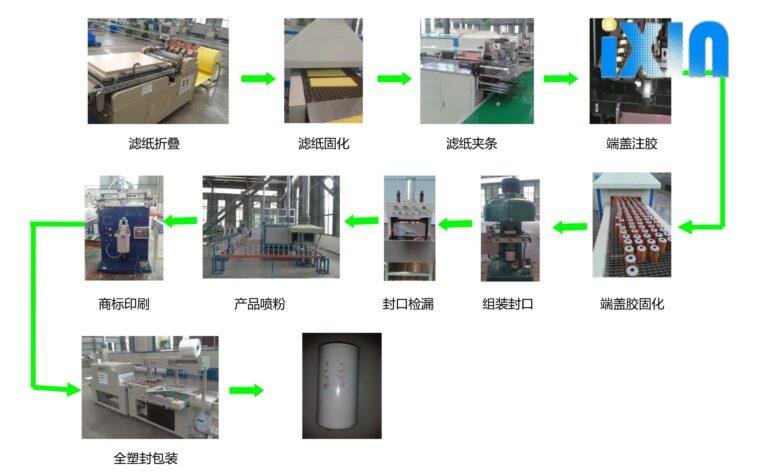
Premium filter manufacturers typically test filtration efficiency, dust-holding capacity, and burst strength as part of standard production quality control, and can usually provide documentation or testing data on request. Low-quality manufacturers often skip this step entirely, relying only on the filter physically fitting the housing as their quality benchmark. This difference is largely invisible to the end user, but it’s one of the most reliable signals for a distributor evaluating a new supplier — a manufacturer who can’t answer specific questions about testing is a real risk, regardless of how competitive their pricing looks.
5. Consistency Across Production Batches
Even a well-designed filter can fail to deliver premium performance if raw material sourcing and production processes aren’t tightly controlled between batches. Premium manufacturers monitor incoming raw materials and maintain consistent processes specifically to avoid batch-to-batch variation. Low-quality or inconsistent suppliers may source raw filter media opportunistically based on cost rather than maintaining a consistent specification, which means a customer’s first order and fifth order from the same supplier can perform noticeably differently, even under the same part number.
Why Premium vs Low-Quality Air Filters Matters More at Scale
For an individual vehicle owner, a lower-quality filter might mean one earlier-than-expected replacement. For a fleet or a distributor buying hundreds or thousands of units, these same quality gaps compound:
- Inconsistent filtration performance across a large order increases the risk of engine wear complaints from end customers
- Shorter-than-expected service life drives up total filter consumption and maintenance costs across a fleet
- Warranty claims and returns from underperforming filters cost more in customer trust than the original price difference ever saved
What to Ask a Supplier to Tell Premium from Low-Quality
- What raw filter media do you use, and is it consistent across every production batch?
- What specific tests do you run — filtration efficiency, dust-holding capacity, burst strength — and can you share the data?
- Can you provide samples for independent testing before a bulk order?
- What’s your sealing tolerance, and how is it verified during production?
A supplier who answers these questions clearly and specifically is a strong signal of premium quality — one who can only confirm that a filter “fits” the part number is a signal to look further.
Built to the Premium Standard
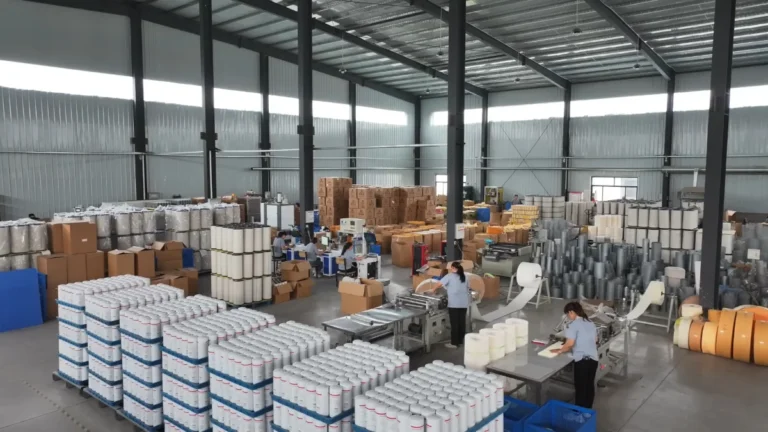
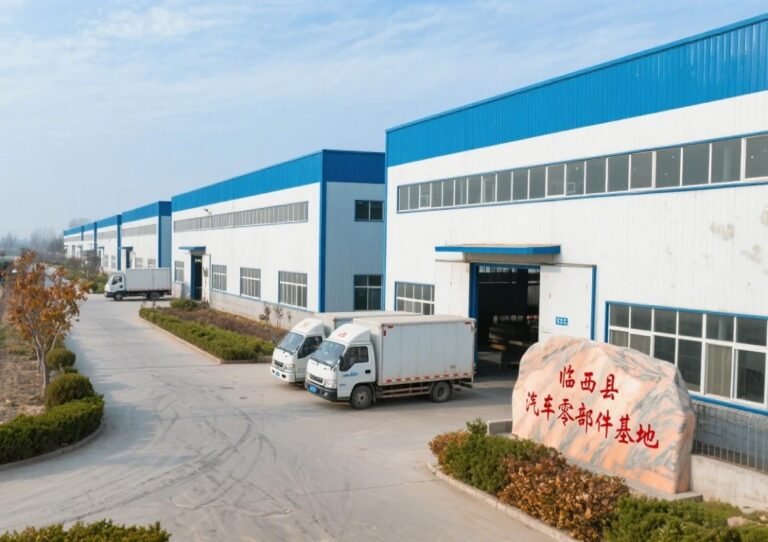
At IXIN Filter, every batch of filter media is tested before production, and our air filters, oil filters, fuel filters, and cabin air filters are manufactured with consistent sealing tolerances and dimensional accuracy verified against OEM specifications — not just matched by part number. If you’re evaluating premium vs low-quality air filters for your own supply chain, we’re glad to share testing documentation and samples with distributors.
Want to see the difference for yourself? Contact IXIN Filter to request a sample or product catalog.