Understanding the Hidden Factors Behind Air Filter Quality
Many truck parts distributors, fleet managers, and repair shop owners have experienced a confusing situation:
Two truck air filters carry the same part number, fit the same vehicle, and look almost identical from the outside—yet their performance, service life, and filtration efficiency can be dramatically different.
This often leads to customer complaints, warranty claims, and questions about product quality.
So why do two air filters with the same part number perform differently?
The answer lies in what you cannot easily see: filter media quality, manufacturing standards, testing procedures, and material selection.
In this article, we’ll explain the key factors that affect truck air filter performance and help buyers make better sourcing decisions.
Same Part Number Does Not Mean Same Quality
A part number mainly indicates compatibility.
It tells buyers that a filter is designed to fit a specific engine or equipment model.
However, a part number does not guarantee:
- Filter media quality
- Filtration efficiency
- Dust holding capacity
- Airflow performance
- Service life
- Manufacturing consistency
As a result, two manufacturers may produce filters with the same cross-reference number while achieving very different performance levels.
1. Different Filter Media Quality
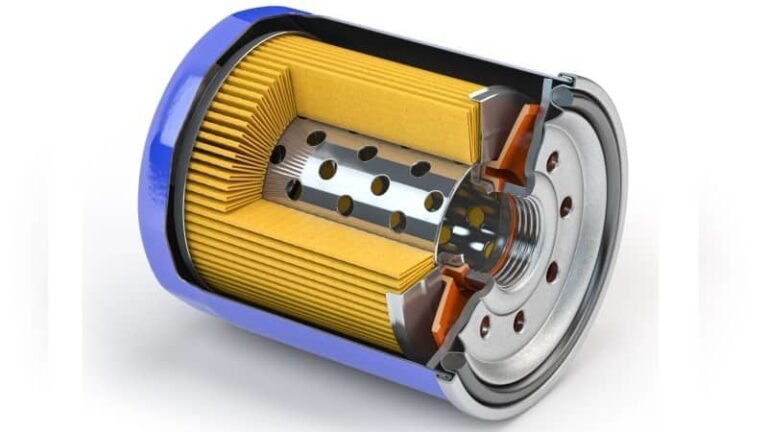
The filter media is the most important component inside an air filter.
High-quality filter media captures contaminants while maintaining proper airflow.
Low-quality media may:
- Allow fine dust to pass through
- Clog more quickly
- Reduce engine airflow
- Wear out faster
Premium truck air filters often use:
- High-grade cellulose media
- Synthetic filter media
- Nanofiber technology
- Multi-layer filtration structures
Cheaper filters may use lower-density paper that reduces production costs but sacrifices performance.
This is one of the biggest reasons why filters with identical part numbers perform differently.
2. Filtration Efficiency Varies by Manufacturer
Not all manufacturers target the same filtration standards.
A professional OEM filter manufacturer may design a filter to achieve higher filtration efficiency, while another manufacturer focuses primarily on reducing production costs.
Higher filtration efficiency helps:
- Protect diesel engines
- Reduce engine wear
- Extend maintenance intervals
- Improve long-term reliability
Even small differences in filtration efficiency can significantly affect engine protection over thousands of operating hours.
3. Dust Holding Capacity Is Often Different
Dust holding capacity refers to how much contamination a filter can retain before airflow becomes restricted.
A filter with higher dust holding capacity typically offers:
- Longer service life
- Fewer replacements
- Lower maintenance costs
Two filters may look identical externally, but differences in filter media structure can produce substantial differences in dust retention performance.
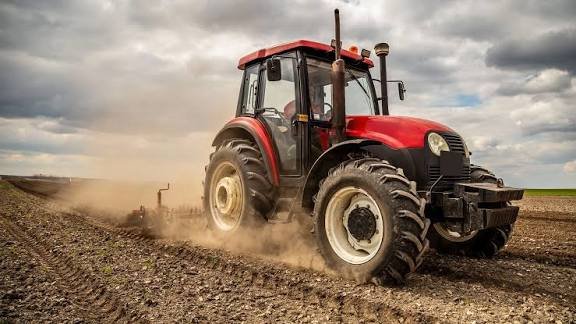
For trucks operating in dusty environments, this factor becomes especially important.
4. Pleat Design Affects Performance
Pleats increase the available filtration surface area.
Better pleat design can improve:
- Airflow
- Dust holding capacity
- Filter lifespan
Premium manufacturers invest in advanced pleating equipment to ensure:
- Consistent pleat spacing
- Uniform media distribution
- Structural stability
Low-quality filters may have uneven pleats that reduce filtration effectiveness.
5. Seal Quality Makes a Big Difference
Many air filter failures occur because of poor sealing rather than poor filter media.
If the seal is weak, contaminated air can bypass the filter entirely.
Potential problems include:
- Dust entering the engine
- Reduced filtration efficiency
- Premature engine wear
Professional truck filter manufacturers use durable sealing materials that maintain performance under vibration, heat, and harsh operating conditions.
6. Manufacturing Standards Are Not the Same
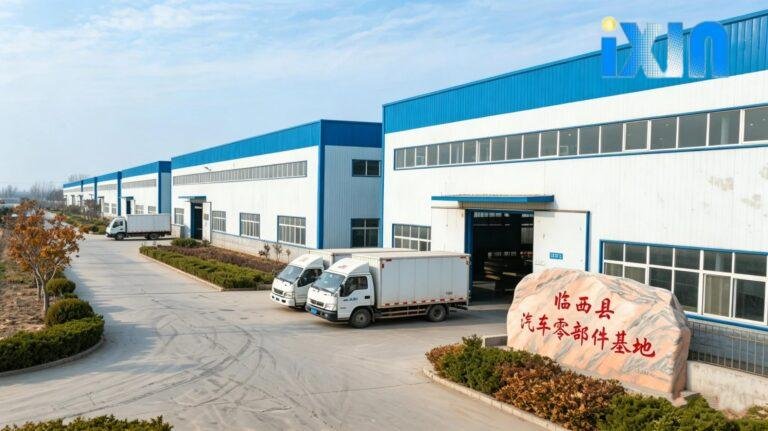
Two filters with the same part number may come from factories with very different production standards.
Reliable manufacturers typically invest in:
- Automated production lines
- Quality inspection systems
- Material verification
- Performance testing
Lower-cost suppliers may have less consistent manufacturing processes.
This can result in:
- Uneven filter media quality
- Poor adhesive bonding
- Structural weaknesses
- Product inconsistency
For distributors, manufacturing consistency is just as important as initial product performance.
7. Different Testing Procedures
Professional OEM filter manufacturers perform extensive testing before products reach the market.
Common tests include:
- Filtration efficiency testing
- Airflow resistance testing
- Dust loading tests
- Structural integrity tests
- Leak detection tests
Some low-cost manufacturers perform minimal testing, increasing the risk of inconsistent product quality.
As a result, two filters with the same part number may deliver very different real-world performance.
8. Material Selection Influences Durability
Beyond filter media, overall material quality affects filter lifespan.
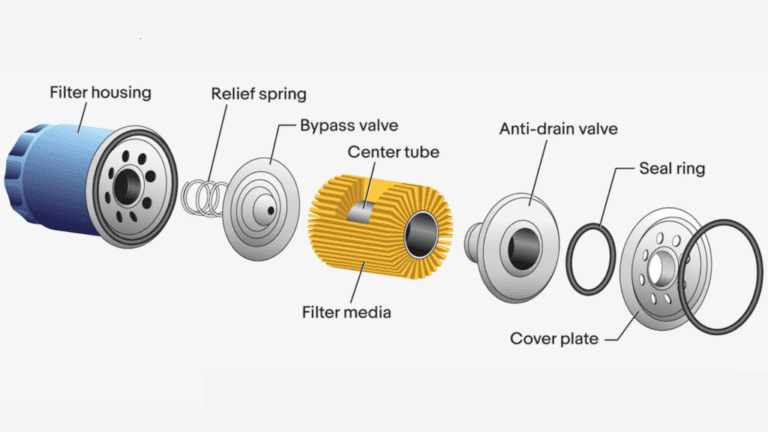
Important components include:
- End caps
- Adhesives
- Gaskets
- Sealing materials
- Support mesh
Premium materials help maintain structural stability throughout the filter’s service life.
Inferior materials may fail under heat, vibration, or heavy-duty operating conditions.
Why This Matters for Truck Parts Distributors
For distributors, choosing suppliers based solely on part number compatibility can be risky.
Poor-quality filters often result in:
- Customer complaints
- Product returns
- Warranty claims
- Reputation damage
Instead, buyers should evaluate:
- Manufacturing capability
- Quality control systems
- Testing standards
- Filter media specifications
- Supplier experience
Working with a reliable truck filter manufacturer helps ensure consistent product performance and customer satisfaction.
How Buyers Can Identify Higher-Quality Air Filters
Before purchasing truck air filters in bulk, consider asking suppliers the following questions:
What filter media is used?
Premium cellulose, synthetic, or nanofiber media generally performs better than low-grade paper.
Are filtration efficiency test reports available?
Testing data provides objective performance verification.
What quality control procedures are used?
Reliable factories maintain strict inspection standards.
Does the manufacturer support OEM production?
OEM manufacturers often have stronger technical capabilities.
What is the expected service life?
A longer lifespan often indicates better materials and engineering.
What Fleet Managers Should Know
For fleet operators, the lowest-priced filter is not always the most economical choice.
A higher-quality air filter may offer:
- Better engine protection
- Reduced maintenance costs
- Longer replacement intervals
- Improved fuel efficiency
- Less vehicle downtime
Over time, these benefits often outweigh the initial price difference.
Final Thoughts
Two truck air filters with the same part number can perform very differently because compatibility does not guarantee quality.
Factors such as filter media, dust holding capacity, pleat design, sealing quality, testing procedures, and manufacturing standards all influence real-world performance.
For truck parts distributors, repair shops, and fleet managers, evaluating these hidden factors is essential when selecting a truck filter supplier.
The best long-term strategy is to work with an experienced OEM filter manufacturer that prioritizes quality, consistency, and engine protection rather than simply matching a part number.