How does an air oil separator work? In an oil-flooded rotary screw compressor, oil is injected directly into the compression chamber to lubricate moving parts, seal internal clearances, and absorb heat generated during compression. That oil ends up mixed with the compressed air leaving the compression stage — and the air oil separator’s job is to remove the vast majority of it before the compressed air moves downstream to the rest of the system.
Understanding the mechanics behind this process makes it much easier to evaluate separator quality, diagnose performance issues, and know what to ask a supplier before a bulk order. Here are seven key facts explaining how it actually works.
1. Oil Injection Happens Before Separation, Not After
Before the air oil separator ever comes into play, oil has already been injected into the compressor’s air end during the compression process itself. This oil serves several functions at once: lubricating the rotors, sealing internal clearances to improve compression efficiency, and absorbing and carrying away heat. By the time compressed air exits the air end, it’s heavily mixed with oil — commonly described as an oil-air mixture rather than clean compressed air.
2. Primary Separation Happens Through Gravity and Impingement
The first stage of separation typically happens before the air even reaches the separator element itself. As the oil-air mixture enters the separator tank, a sudden change in velocity and direction causes larger oil droplets to fall out of the airstream through gravity, while impingement against internal surfaces captures additional droplets. This primary stage removes the majority of the oil by volume before the air reaches the finer separation stage.
3. The Separator Element Handles Coalescing Filtration
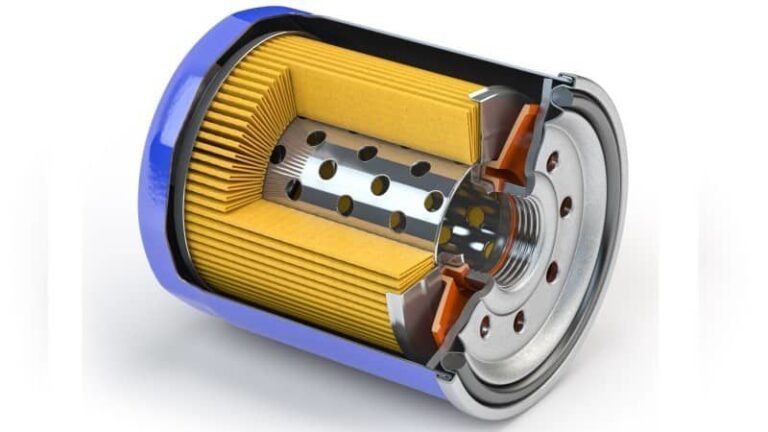
The remaining oil aerosol — fine oil mist that’s too small to separate through gravity alone — passes through the separator element, which uses coalescing filtration. As explained in this guide to coalescing filter elements, a densely packed fiber media forces tiny suspended droplets into repeated contact with each other and with the media strands, gradually building them into larger drops that eventually drain away under gravity. Larger droplets are heavier and easier to separate from the airstream than the original fine mist.
4. Gravity Then Pulls the Coalesced Oil Downward
Once oil droplets have coalesced into larger droplets within the element, gravity takes over again. The larger droplets drain down through the element media and collect at the bottom of the separator housing, rather than continuing to travel with the compressed air. This is why separator elements are installed with a specific orientation — the drainage path only works correctly one way.
5. A Scavenge Line Returns Collected Oil to the System
Most oil-flooded compressor systems include a scavenge line — a small tube connecting the bottom of the separator tank back to the compressor’s air end (or oil sump). This line uses the pressure differential in the system to continuously draw collected oil back into circulation, rather than letting it accumulate in the separator tank. A blocked or malfunctioning scavenge line is a common cause of excess oil carryover, even when the separator element itself is in good condition.
6. A Minimum Pressure Valve Maintains System Pressure
Many compressor systems include a minimum pressure valve downstream of the separator, which maintains a minimum operating pressure within the separator tank regardless of downstream air demand. This matters because the separation process — both the gravity/impingement stage and the coalescing stage — depends on the compressor operating within its designed pressure range. Running below the minimum design pressure can reduce separation efficiency, even with a properly functioning element.
7. Some Oil Carryover Is Normal — The Question Is How Much
Even a well-functioning air oil separator doesn’t remove 100% of the oil from compressed air — a small amount of residual oil carryover (commonly measured in parts per million) is expected and normal. This is really the last piece of how does an air oil separator work in practice: what varies significantly between separator quality levels is how much carryover remains after separation. This is why micron rating and separation efficiency specifications matter when sourcing a replacement element — two elements that look identical can leave meaningfully different amounts of oil in the downstream air supply.
Why Understanding How Does an Air Oil Separator Work Matters for Sourcing Decisions
Knowing the actual separation mechanism — gravity and impingement first, then coalescing filtration, then gravity drainage and scavenge return — makes it easier to diagnose where a performance problem is actually coming from. Excess oil carryover isn’t always a sign the separator element itself is bad; it can also point to a blocked scavenge line, a system running below minimum pressure, or oil that’s incompatible with the element media. Understanding the mechanics helps separate a genuine element quality issue from a system-level problem before assuming a replacement part is defective.
Separator Elements Engineered Around This Process
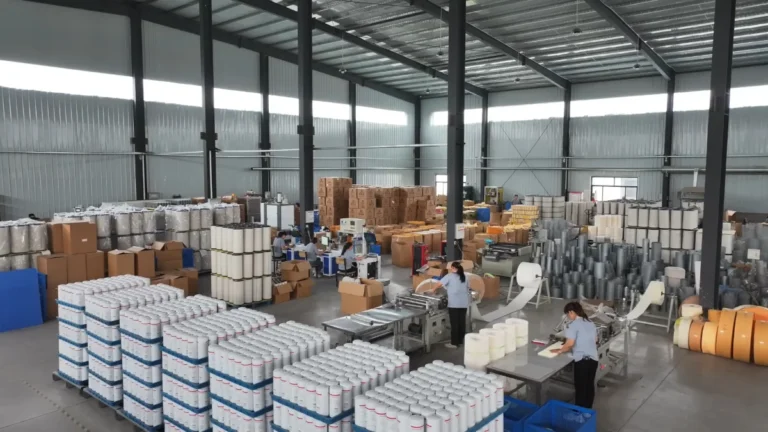
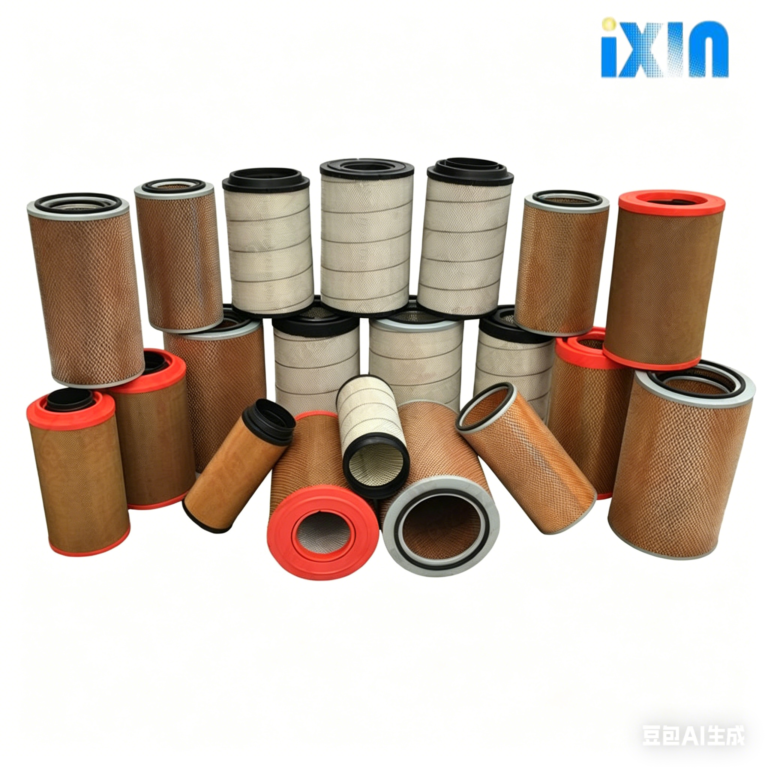
At IXIN Filter, we manufacture air oil separator elements engineered for consistent coalescing performance, verified separation efficiency, and dimensional accuracy tested against OEM specifications. Every batch of filter media is quality-checked before production, and we’re glad to share testing documentation and samples with distributors and industrial buyers evaluating separator elements for their own compressor systems.
Want to see how our separator elements perform? Contact IXIN Filter to request a sample or product catalog.