
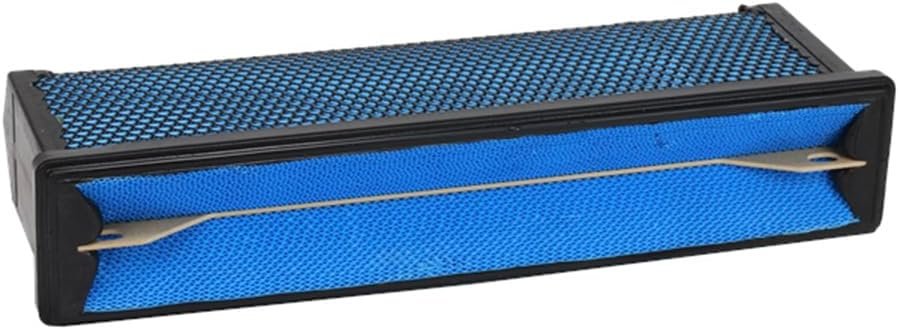
Choosing the wrong air filter factory doesn’t just cost you a bad batch of parts — it can mean warranty claims, delayed shipments, and a damaged relationship with your own customers if a mismatched or poor-quality filter makes it into the field. Whether you’re a distributor sourcing for the first time or a fleet buyer looking to switch suppliers, here are 10 things worth checking before you commit to an air filter factory.
1. Is It Actually a Factory, or a Trading Company?
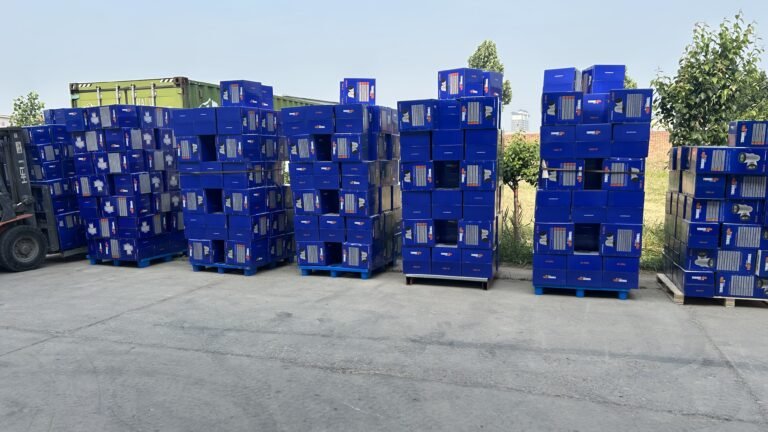
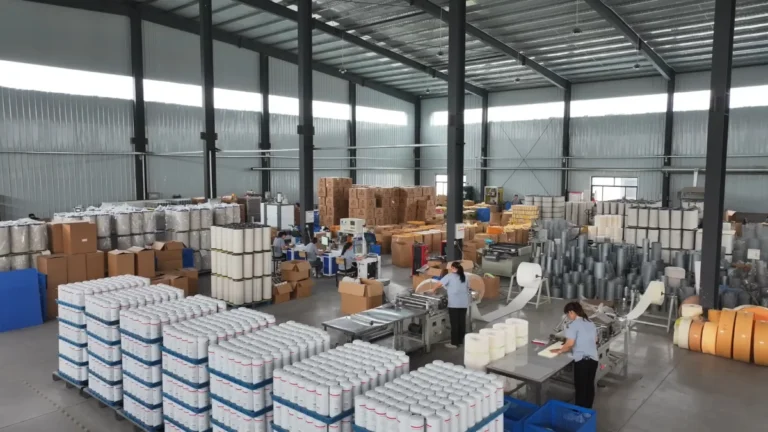
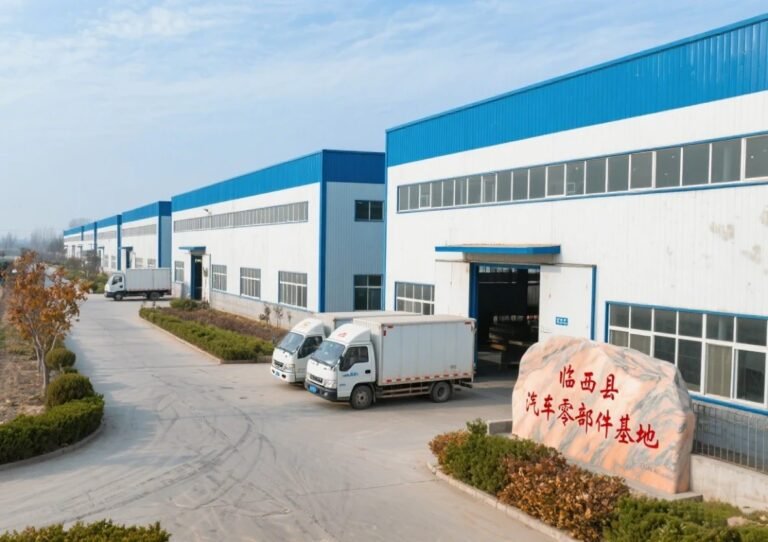
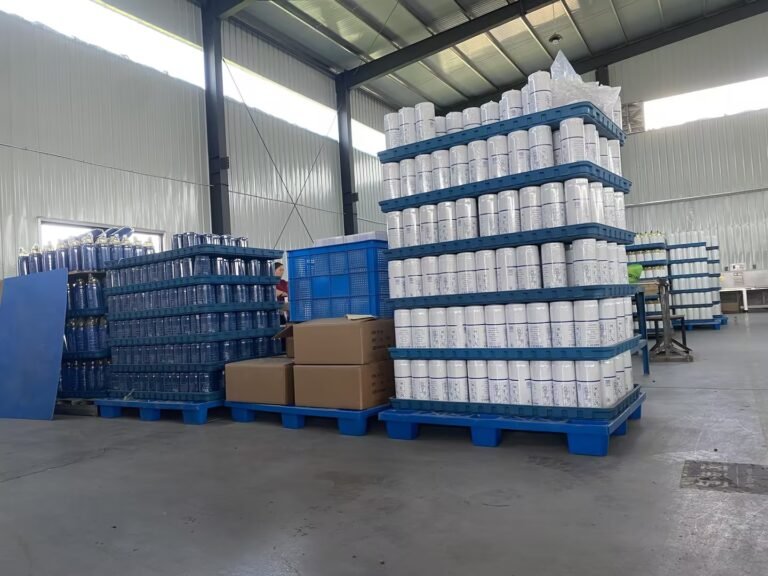
Many suppliers listed online are trading companies that resell filters made by third-party factories — which usually means less control over quality consistency, longer communication chains, and less flexibility on customization. Ask directly: “Do you manufacture these filters in-house, or source them from another factory?” A real air filter factory should be able to show you production line photos or offer a factory visit/video call.
2. Does the Factory Hold Relevant Quality Certifications?
Look for certifications like IATF 16949 (the international automotive quality management standard that many OEM-grade filter manufacturers are certified against), ISO 9001, or industry-specific certifications relevant to your market. Certification alone doesn’t guarantee perfect quality, but it does indicate the factory has documented, auditable quality processes rather than ad-hoc production.
3. How Does the Air Filter Factory Verify Cross Reference Accuracy?
This is one of the most overlooked checks. Ask the factory how they confirm that a filter matches a given OE number — do they verify against original samples and dimensional drawings, or just copy cross reference lists from other websites? A factory that can walk you through their verification process (and catch discrepancies across multiple OE numbers) is a stronger long-term partner. For a deeper look at how cross referencing should work, see our fuel filter cross reference guide — the same verification logic applies to air filters.
4. What Does Their Quality Control Process Actually Look Like?
Ask specific questions rather than accepting “we have strict QC” as an answer:
- What’s inspected at incoming raw material stage?
- Are filters tested for burst pressure, filtration efficiency, or dust-holding capacity?
- Is there a final inspection before packaging, and what percentage of units are checked?
A factory that can answer these in detail is more likely to have a real quality system in place.
5. Can They Support Your MOQ and Customization Needs?
Minimum order quantities vary widely between factories, and so does flexibility on private labeling, custom packaging, or media specification. If you’re a smaller distributor testing a new supplier relationship, ask upfront about MOQ tiers and whether sample orders are available before committing to a bulk purchase.
6. What’s Their Real Lead Time — Not Just the Quoted One?
Quoted lead times and actual lead times don’t always match, especially during peak seasons or raw material shortages. Ask about their track record on on-time delivery, and whether they communicate proactively if a delay is likely, rather than leaving you to find out when the shipment doesn’t arrive.
7. Do They Have Export Experience to Your Region?
An air filter factory with established export experience to your market will typically have smoother processes around documentation, packaging standards for long-distance shipping, and awareness of regional compliance requirements. Ask for references or case studies of shipments to your region specifically, not just “we export worldwide.”
8. How Do They Handle Communication and After-Sales Issues?
Test this before you place a large order: send a detailed technical question and see how clearly and quickly they respond. A factory that’s responsive and precise during the sales process is a reasonable predictor of how they’ll handle a quality dispute or urgent reorder later.
9. Can They Provide Traceability for Bulk Orders?
For fleet operators and distributors, batch traceability matters — if an issue is found in one shipment, can the factory trace it back to a specific production batch and raw material lot? This is especially important for buyers who need to demonstrate quality control to their own downstream customers.
10. Do They Understand Your Application, Not Just Your Part Number?
A good air filter factory will ask follow-up questions about your equipment’s operating environment (dusty construction site vs. light-duty on-road use, for example) rather than just matching a part number and shipping. This kind of application awareness often correlates with a factory that actually understands filtration engineering, not just replication of existing designs.
Final Thoughts
None of these 10 checks require expensive due diligence — most can be covered in a few direct questions during your first conversation with a potential supplier. The goal isn’t to find a “perfect” factory, but to find one whose quality process, communication style and production capability genuinely match what your business needs.
Looking for an air filter factory that can walk you through cross reference verification, share QC documentation, and support custom orders? Browse our air filter catalog, or contact our sales team to discuss your requirements directly.
3 Comments