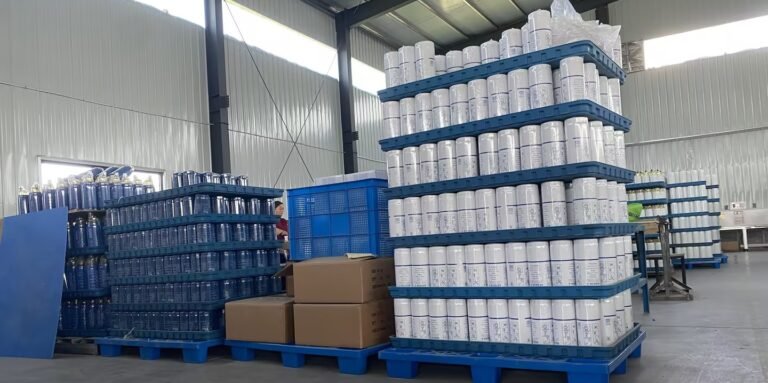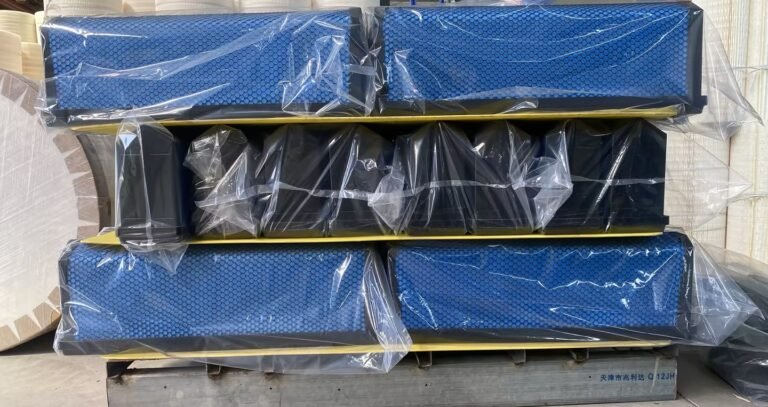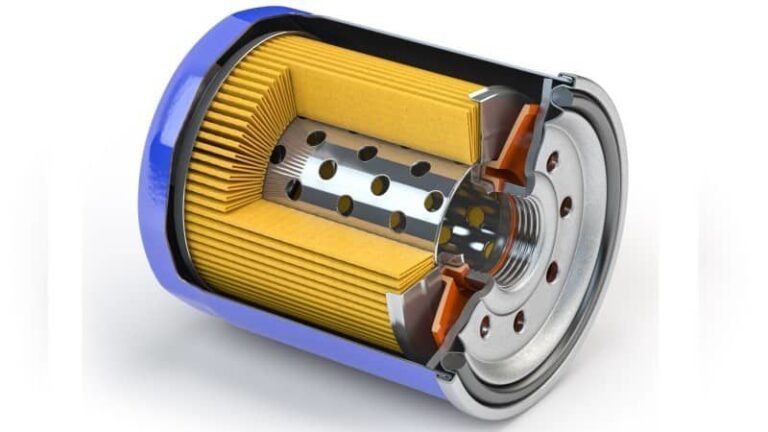
For distributors, fleet operators and equipment dealers, deciding who to source filters from is as important as deciding what to source. Working directly with an OEM air filter factory — rather than a trading company or generic reseller — comes with concrete advantages that affect cost, quality consistency and how quickly you can respond to your own customers. Here are seven real benefits worth considering.
1. Greater Quality Control and Consistency
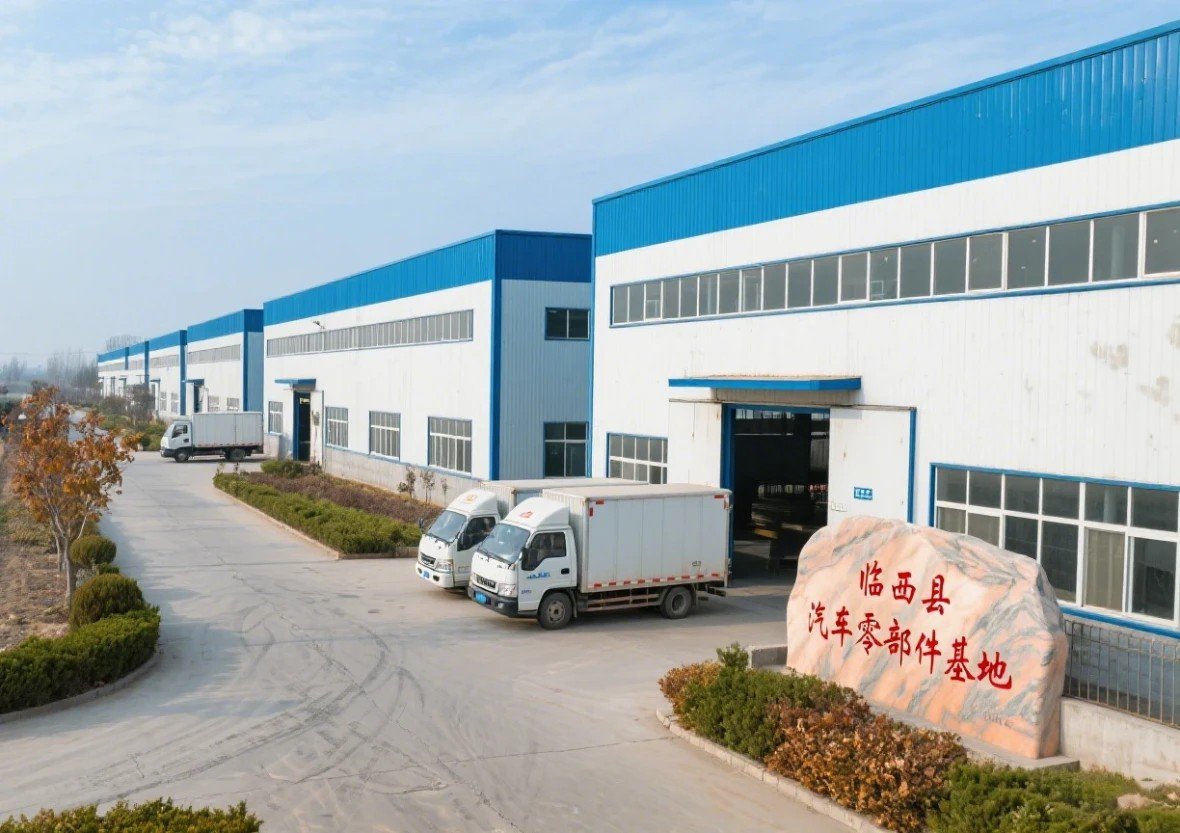
An OEM air filter factory manages the entire production process in-house — from raw media sourcing to final assembly and testing — rather than outsourcing steps to third parties. As IBM’s overview of OEM manufacturing notes, working with an established OEM typically means increased quality control, since manufacturers follow strict production standards and testing procedures that reduce the likelihood of defects. For buyers, that translates into fewer batch-to-batch inconsistencies and more predictable product performance.
2. Access to Private Label and Custom Packaging
One of the clearest advantages of going direct to an OEM air filter factory is the ability to customize packaging, labeling and branding for your own market. Trading companies often have limited flexibility here because they don’t control production. A factory that manufactures in-house can typically accommodate private label runs, custom box designs, and even media specification adjustments for specific climate or application requirements.
3. More Competitive Bulk Pricing
Because an OEM air filter factory isn’t paying a markup to a separate manufacturer, bulk and OEM order pricing is generally more competitive than buying through a middleman. This matters most for distributors and fleet operators placing recurring, high-volume orders, where even small per-unit savings compound significantly over a year of purchasing.
4. Shorter, More Reliable Communication Chains
When you buy through a trading company, your questions about specifications, tolerances or production timelines often have to pass through an extra layer before reaching the actual manufacturer — and answers pass back the same way. Working directly with the factory shortens that chain, which usually means faster answers to technical questions and quicker resolution if something needs adjusting mid-order.
5. Better Traceability for Quality Issues
If a quality issue does arise, an OEM air filter factory that controls its own production can trace a defect back to a specific batch, raw material lot, or production shift — information a trading company often can’t provide because they don’t have direct visibility into manufacturing. This traceability matters for distributors who need to give their own customers a credible explanation (and resolution) if something goes wrong.
6. More Flexibility on Cross Reference Verification
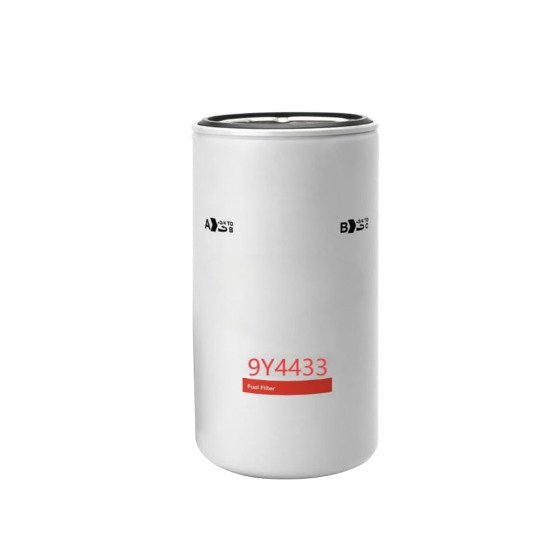
A factory that manufactures filters — rather than reselling them — is generally in a better position to verify OE cross reference numbers against actual dimensional drawings and physical samples, rather than copying cross reference charts from other websites. If you regularly need less common part numbers verified before ordering, this is a meaningful practical advantage. Our fuel filter cross reference guide walks through what proper cross reference verification looks like from the buyer’s side.
7. Long-Term Partnership Potential
Trading company relationships tend to be transactional — order placed, order fulfilled, repeat. An OEM air filter factory relationship has more room to develop over time: negotiated pricing tiers as volume grows, priority production scheduling during peak seasons, and closer collaboration on new product development if your market needs a filter that doesn’t exist yet. For buyers planning a multi-year sourcing strategy, this kind of relationship generally pays off more than switching suppliers order to order.
Is an OEM Factory Always the Right Choice?
Not necessarily for every buyer. If your order volumes are very small and infrequent, a trading company’s flexibility to source small, mixed-brand orders from multiple factories might actually suit you better than a single factory relationship with MOQ requirements. The right choice depends on your order volume, how much customization you need, and how much you value direct communication with the people actually making your filters.
Considering a direct factory relationship for your air filter sourcing? Browse our air filter catalog, review our 10 things to check before choosing an air filter factory, or contact our sales team to discuss your requirements directly.