
An oil filter looks simple from the outside — a metal canister, a media pack, a gasket. But the difference between a reliable filter and one that fails under pressure often comes down to details buyers never see: burst strength, anti-drain valve performance, media pleat consistency. Choosing the wrong oil filter factory can mean warranty claims, engine damage, and a damaged relationship with your own customers. Here are 10 things worth checking before you commit to a supplier.
1. Is It Actually a Factory, or a Trading Company?
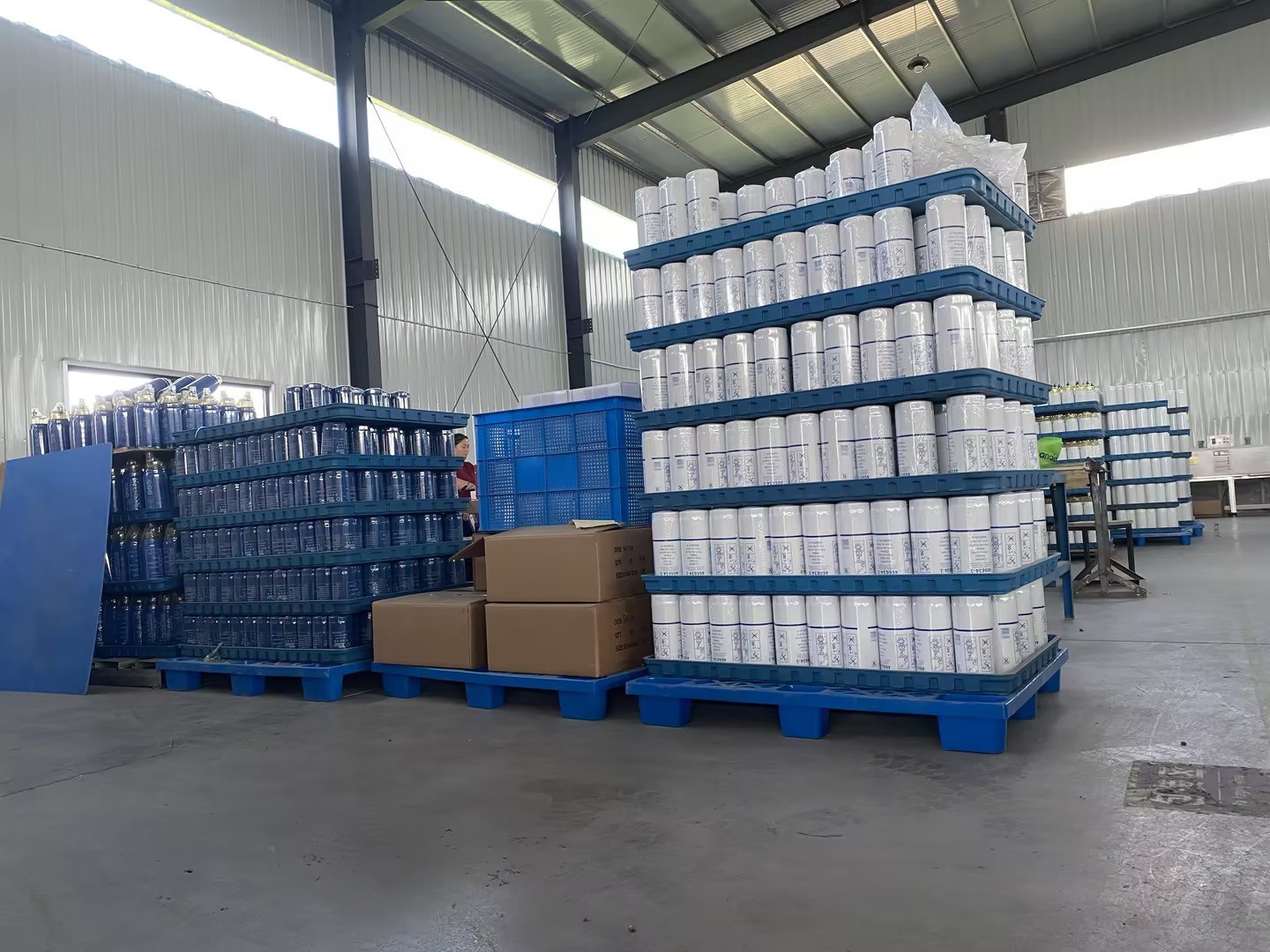
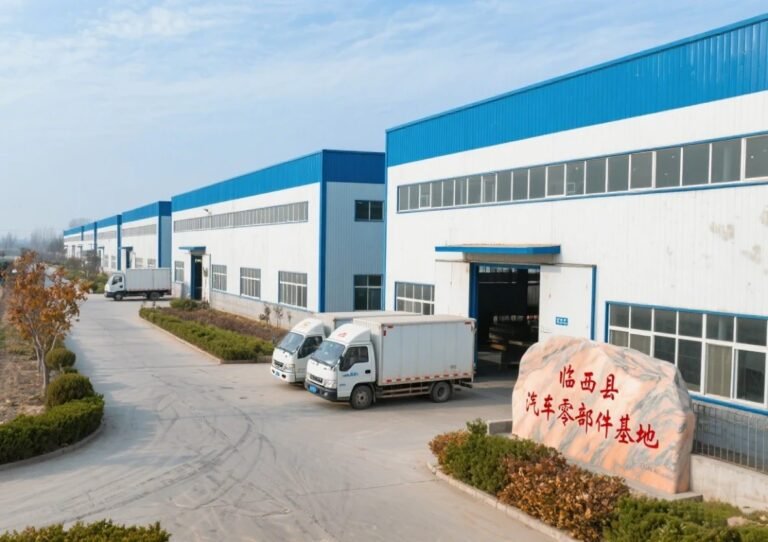
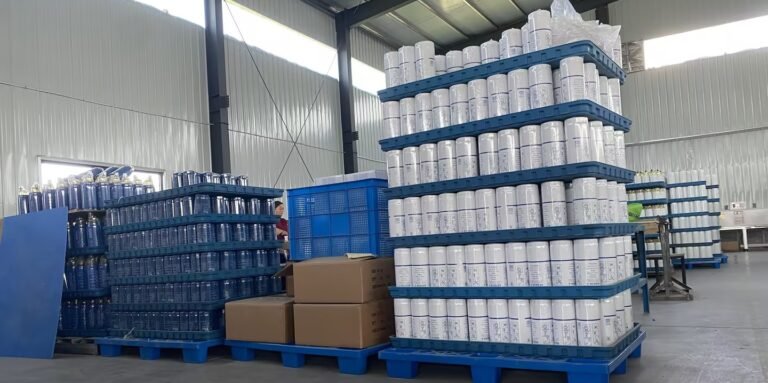
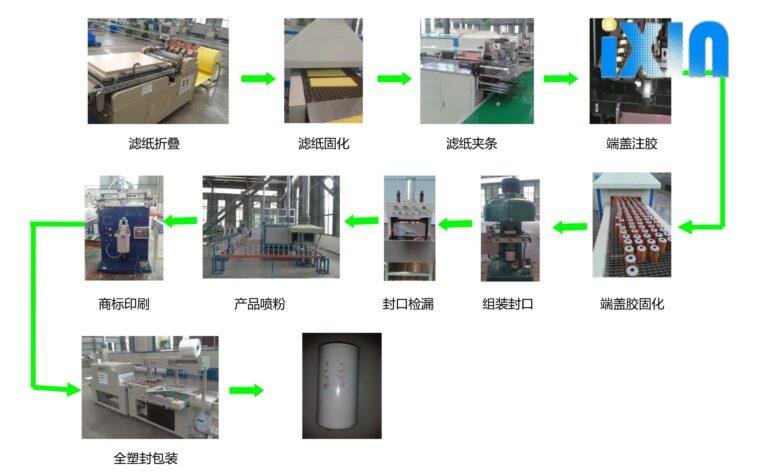
Many suppliers listed online resell filters made by third-party factories, which usually means less control over quality consistency and less flexibility on customization. Ask directly whether they manufacture in-house or source from another factory, and ask for production line photos or a video call to confirm.
2. Does the Oil Filter Factory Test Against Recognized Standards?
Full-flow lubricating oil filters have a whole family of international test standards behind them — the ISO 4548 series covers everything from filtration efficiency and contaminant retention (Part 12) to burst pressure (Part 6), vibration fatigue (Part 7), hydraulic pulse durability (Part 5), and anti-drain valve performance (Part 9). A factory that references specific ISO 4548 parts when discussing their testing — rather than a vague “we test our filters” — is signaling a real quality process.
3. What’s Their Burst Pressure and Vibration Fatigue Data?
Oil filters operate under real internal pressure and constant engine vibration. Ask for burst pressure figures (per ISO 4548-6, static burst test) and whether filters have been through vibration fatigue testing (ISO 4548-7). A factory that can share this data — rather than just claiming “durable construction” — has actually invested in validation.
4. Does the Filter Include a Properly Tested Anti-Drain Valve?
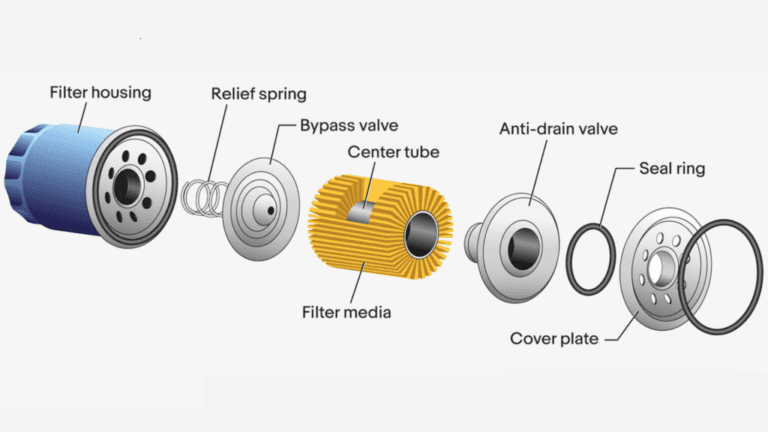
For spin-on filters mounted with the outlet facing up, an anti-drain valve prevents oil from draining out of the filter when the engine is off, which would otherwise cause a dry start and momentary loss of lubrication. Ask whether the anti-drain valve has been tested per ISO 4548-9, and how the factory verifies valve performance across production batches, not just in a single sample.
5. How Does the Oil Filter Factory Verify Cross Reference Accuracy?
Confirming that a filter genuinely matches a given OE number — thread size, gasket diameter, bypass valve pressure setting — matters as much for oil filters as for any other filter category. Ask how the factory verifies fitment: against original samples and drawings, or by copying cross reference lists from other websites. For a deeper look at how proper cross referencing should work, see our fuel filter cross reference guide — the same verification logic applies to oil filters.
6. What Does Their Incoming and In-Process Quality Control Look Like?
Ask specific questions: What’s inspected at incoming raw material stage (filter paper, steel canister, gaskets)? Is filtration efficiency tested per batch or only during initial product validation? What percentage of finished units are inspected before packaging? Vague answers here are a warning sign.
7. Can They Support Your MOQ and Private Label Needs?
Minimum order quantities and flexibility on private labeling, custom packaging, or media specification vary widely between factories. If you’re testing a new supplier relationship, ask upfront about MOQ tiers and whether sample orders are available before committing to bulk purchase.
8. What’s Their Real Lead Time — Not Just the Quoted One?
Quoted and actual lead times don’t always match, especially during peak seasons. Ask about their track record on on-time delivery, and whether they proactively communicate if a delay is likely.
9. Can They Provide Batch Traceability?
If a quality issue does arise, can the factory trace a defect back to a specific production batch and raw material lot? This matters most for distributors who need to give their own downstream customers a credible explanation if something goes wrong.
10. Do They Understand Your Application, Not Just Your Part Number?
A good oil filter factory will ask about your equipment’s operating environment — high-RPM performance engines vs. long-haul diesel trucks vs. off-highway equipment — rather than just matching a part number and shipping. This kind of application awareness usually correlates with a factory that understands filtration engineering, not just replication.
Final Thoughts
None of these checks require expensive due diligence — most can be covered in a focused first conversation with a potential supplier. The goal isn’t finding a “perfect” factory, but one whose testing rigor, quality process and communication style genuinely match what your business needs.
Looking for an oil filter factory that can share ISO 4548 test data, walk you through cross reference verification, and support custom orders? Browse our oil filter catalog, review our 10 things to check before choosing an air filter factory, or contact our sales team to discuss your requirements directly.
One Comment