How to Use Truck Filter Cross Reference Numbers to Find the Right Replacement Filter
Finding the correct truck filter shouldn’t be complicated. However, with thousands of OEM and aftermarket filter part numbers on the market, choosing the right replacement can quickly become confusing.
This is where a truck filter cross reference becomes one of the most valuable tools for distributors, fleet managers, repair shops, and truck parts wholesalers.
In this guide, we’ll explain what a truck filter cross reference is, why it matters, and how you can use it to find compatible replacement filters with confidence.
What Is a Truck Filter Cross Reference?
A truck filter cross reference is a system that matches one filter part number with equivalent filters produced by different manufacturers.
For example, if you have an OEM air filter part number, a cross reference tool can identify compatible alternatives from aftermarket manufacturers that offer the same fit, filtration performance, and application.
Cross references are commonly used for:
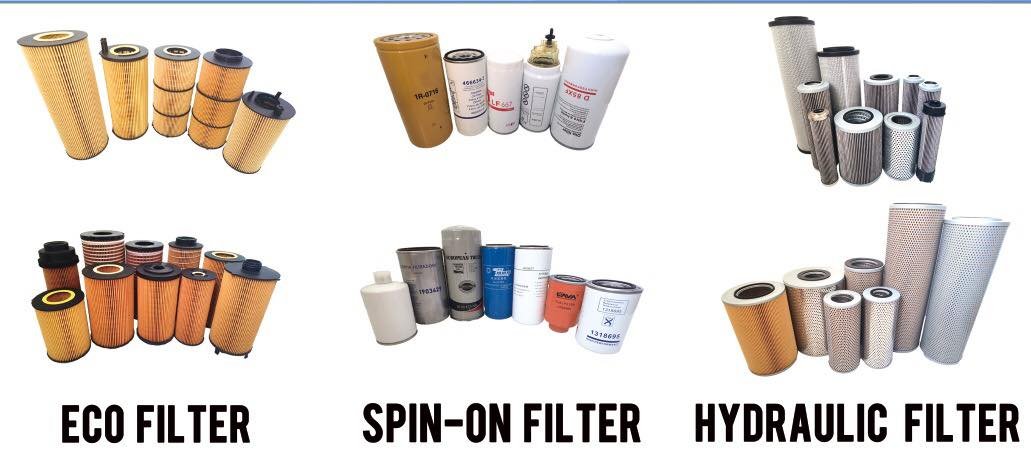
- Engine air filters
- Oil filters
- Fuel filters
- Cabin air filters
- Hydraulic filters
- DEF filters
- Crankcase ventilation filters
Instead of searching one brand at a time, a cross reference allows you to compare multiple compatible options in seconds.
Why Is Truck Filter Cross Reference Important?
1. Reduce Purchasing Costs
OEM filters are often more expensive than high-quality aftermarket alternatives.
By using a truck filter cross reference, buyers can identify replacement filters that meet OEM specifications while offering better pricing for wholesale or fleet purchasing.
This is especially valuable for:
- Truck parts distributors
- Fleet operators
- Maintenance companies
- Importers
- Heavy-duty equipment dealers
2. Avoid Vehicle Downtime
Using the wrong filter can lead to installation problems, poor engine performance, or even equipment failure.
Cross reference information helps ensure the replacement filter matches:
- Dimensions
- Thread size
- Seal design
- Filtration efficiency
- Vehicle application
The right filter keeps trucks operating with minimal downtime.
3. More Brand Choices
Sometimes the original manufacturer has long lead times or discontinued a filter.
Cross referencing opens access to compatible replacements from multiple manufacturers, giving buyers greater flexibility.
Instead of waiting weeks for one brand, you can choose another verified replacement that performs the same function.
4. Faster Purchasing Decisions
Rather than comparing catalogs manually, cross reference databases display equivalent filters in one place.
This allows purchasing teams to:
- Compare multiple brands
- Check availability
- Evaluate pricing
- Source filters faster
For distributors handling hundreds of filter models, this saves significant time.
How to Use a Truck Filter Cross Reference Correctly
Following a few simple steps will help you find the correct replacement filter.
Step 1: Start with the Correct Part Number
Always enter the exact OEM or aftermarket filter number.
Even one incorrect digit can return unrelated products.
Double-check the part number before searching.
Step 2: Compare Equivalent Filters
After entering the part number, review all compatible replacement options.
Look for filters that match:
- Application
- Dimensions
- Performance specifications
- OEM replacement information
Don’t choose solely based on appearance.
Step 3: Verify Technical Specifications
A reliable cross reference should include technical details such as:
- Outer diameter
- Inner diameter
- Height
- Thread size
- Gasket dimensions
- Filter media
- Filtration efficiency
Matching specifications are more important than matching appearance.
Step 4: Confirm Vehicle Compatibility
Before placing an order, confirm the filter is compatible with:
- Truck make
- Model
- Engine
- Production year
The same filter number may apply to different vehicle applications depending on the manufacturer.
Step 5: Purchase from a Reliable Filter Manufacturer
Not every aftermarket filter is built to the same quality standard.
Choose manufacturers that offer:
- OEM-quality production
- Strict quality inspection
- ISO-certified manufacturing
- Stable supply capacity
- Cross-reference support
This ensures consistent filtration performance and long service life.
What Makes a Good Truck Filter Cross Reference Tool?
A professional cross reference system should allow users to:
- Search by OEM filter number
- Search by aftermarket filter number
- Compare equivalent filter brands
- View detailed specifications
- Check compatible vehicle applications
- Find discontinued filter replacements
- Identify OEM alternative filters
These features help buyers make accurate purchasing decisions.
Common Mistakes to Avoid
Many buyers make avoidable mistakes when searching for replacement filters.
Avoid the following:
- Entering an incorrect part number
- Choosing a filter based only on appearance
- Ignoring technical specifications
- Purchasing from unknown suppliers without quality verification
- Assuming every cross-reference result offers identical performance
Taking a few extra minutes to verify compatibility can prevent expensive maintenance issues later.
Why Professional Buyers Depend on Cross Reference
For truck filter distributors, wholesalers, and fleet maintenance teams, cross referencing has become a standard purchasing process.
It helps them:
- Reduce procurement costs
- Improve purchasing efficiency
- Source discontinued filters
- Expand supplier options
- Reduce inventory pressure
- Keep vehicles operating with minimal downtime
As global supply chains continue to change, having access to reliable cross-reference information is more valuable than ever.
Conclusion
A truck filter cross reference is one of the easiest ways to find compatible replacement filters without wasting time or money.
Whether you’re replacing an engine air filter, oil filter, fuel filter, or cabin filter, using accurate cross-reference data helps ensure the correct fit, reliable filtration, and long-term performance.
If you’re looking for a trusted truck filter manufacturer, choose a supplier that provides comprehensive cross-reference support, OEM-quality manufacturing, and stable bulk supply. This makes sourcing replacement filters easier for distributors, importers, and fleet operators worldwide.
FAQ
1. What is a truck filter cross reference?
A truck filter cross reference matches one filter part number with equivalent filters from different manufacturers that fit the same application.
2. Are aftermarket truck filters as reliable as OEM filters?
High-quality aftermarket filters manufactured to OEM standards can provide comparable fit, filtration efficiency, and durability while offering better value.
3. Can I replace a discontinued truck filter?
Yes. Cross-reference databases are commonly used to identify compatible replacements for discontinued OEM filter part numbers.
4. What information do I need before using a cross-reference tool?
You should have the exact OEM or aftermarket filter part number. Vehicle make, model, engine type, and production year can also help confirm compatibility.
5. Who benefits most from truck filter cross reference tools?
Truck parts distributors, importers, wholesalers, fleet operators, repair shops, and maintenance professionals all use cross-reference tools to source compatible replacement filters more efficiently.