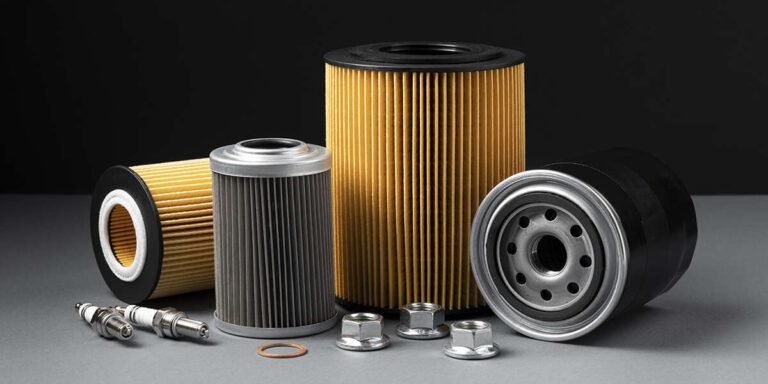
Whether you’re sourcing air filters, fuel filters, oil filters, or hydraulic filters for a fleet or distribution business, the supplier relationship matters as much as any individual part number. A reliable truck filter supplier doesn’t just ship the right box — they back it up with real testing, honest cross reference verification, and consistent quality across every batch. Here are 10 things worth checking before you commit to a supplier, across any filter category.
1. Do They Manufacture, or Just Resell?
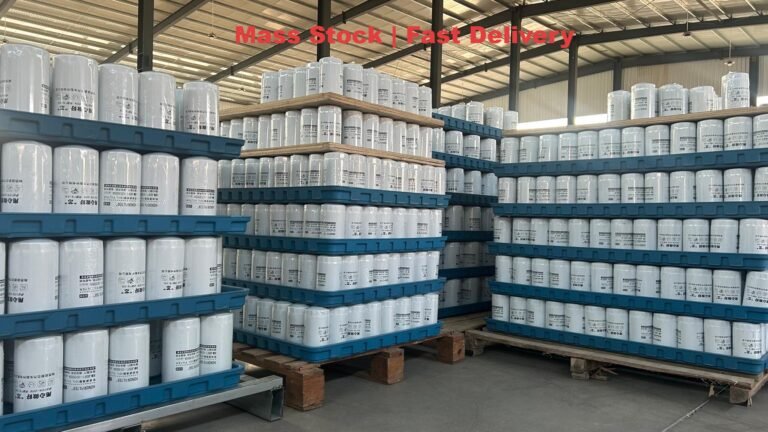
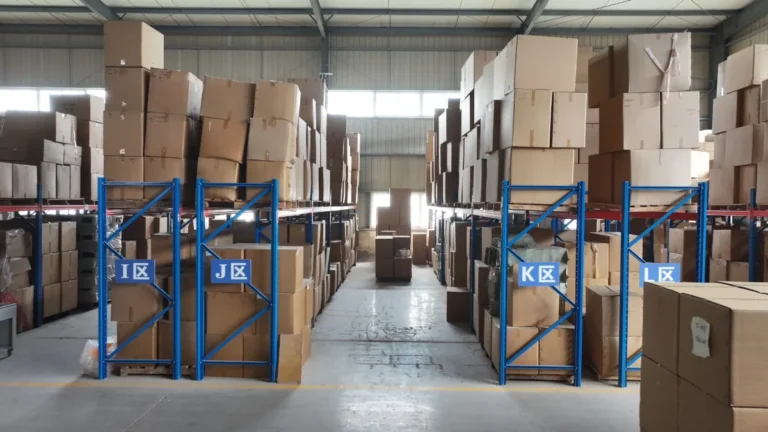
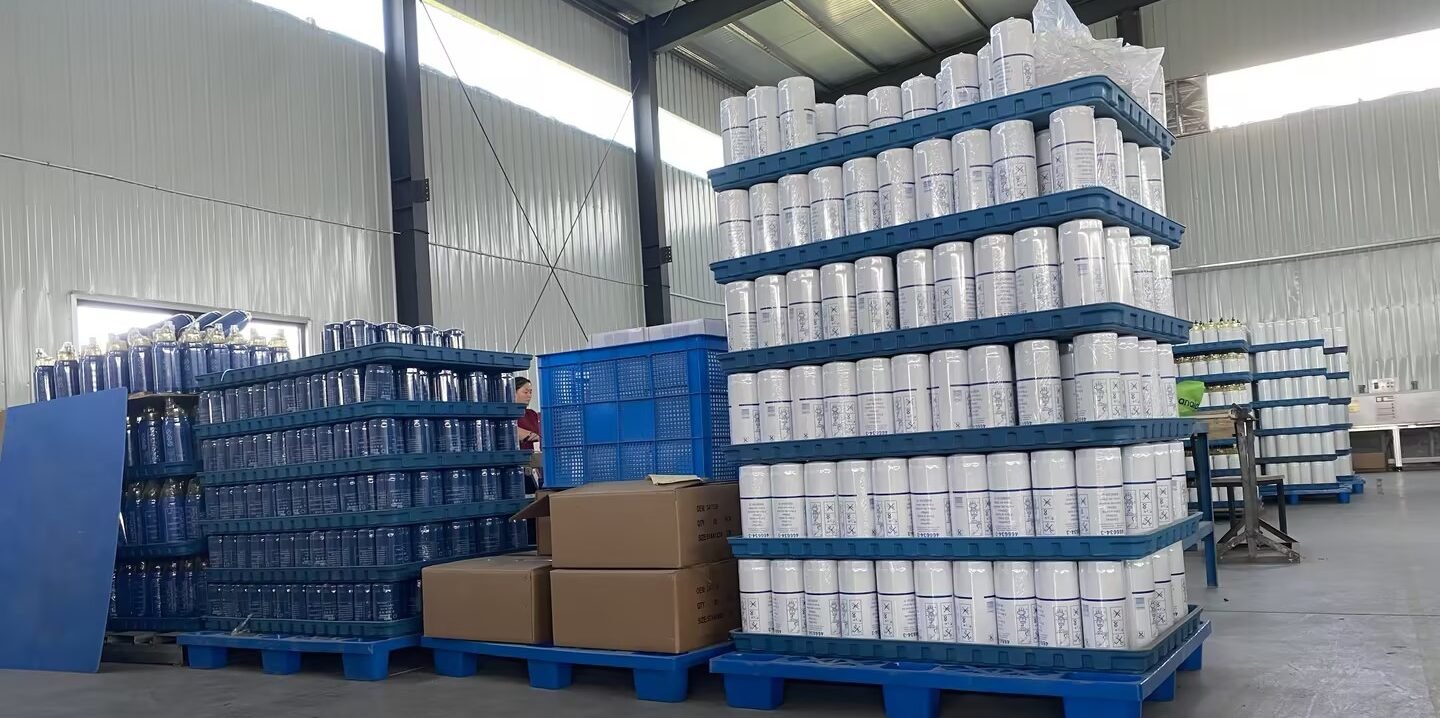
Many suppliers listed online are trading companies reselling filters made by third-party factories, which usually means less control over quality consistency and less flexibility on customization. Ask directly whether they manufacture in-house, and ask for production photos or a video call to confirm.
2. Do They Hold Recognized Quality Certifications?
Look for certifications like IATF 16949 — the international automotive quality management standard many OEM-grade filter manufacturers are certified against. Certification alone doesn’t guarantee perfect quality, but it does indicate documented, auditable production processes rather than ad-hoc manufacturing.
3. Can They Verify Cross Reference Numbers Accurately?
This is one of the most overlooked checks, and one of the most consequential when it goes wrong. A reliable truck filter supplier should be able to explain how they confirm a filter matches a given OE number — against original samples and dimensional drawings, not just copied cross reference lists from other websites. Our fuel filter cross reference guide walks through what proper verification actually looks like.
4. What Does Their Testing Actually Cover?
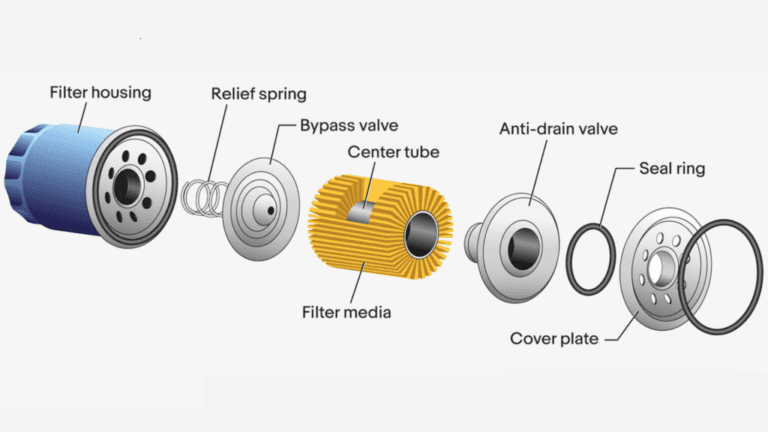
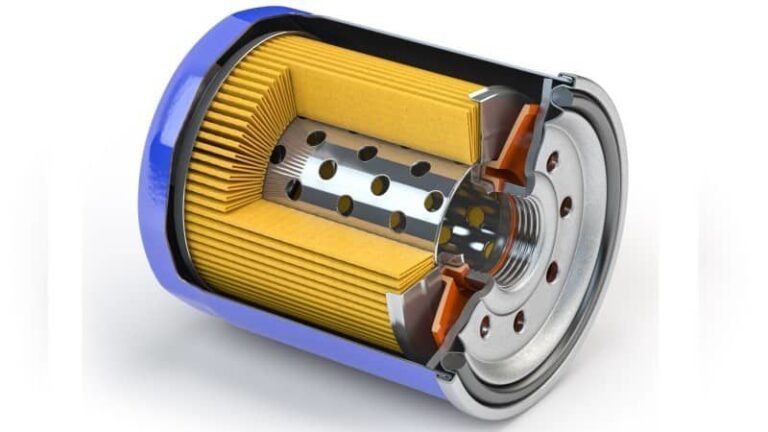
Ask specific questions rather than accepting “we test our filters” as an answer. For air filters, that means asking about ISO 5011 dust-holding capacity and efficiency testing. For hydraulic and oil filters, that means burst pressure, multi-pass Beta ratio testing, and anti-drain valve verification. A supplier who can cite the specific standards they test against is a stronger signal than generic reassurance.
5. Do They Understand Media Quality, Not Just Dimensions?
Two filters can share identical dimensions and still perform very differently based on media type, treatment, and construction quality. A knowledgeable supplier should be able to speak to media material, moisture resistance, and dust-holding capacity — not just confirm that a part “fits.” Our deeper dive on how filter media quality affects performance covers what actually separates a well-engineered filter from a generic one.
6. Can They Support Your MOQ and Customization Needs?
Minimum order quantities and flexibility on private labeling, custom packaging, or media specification vary widely between suppliers. If you’re testing a new relationship, ask upfront about MOQ tiers and whether sample orders are available before committing to bulk purchase.
7. What’s Their Real Track Record on Lead Times?
Quoted lead times and actual lead times don’t always match, especially during peak seasons or raw material shortages. Ask about their track record on on-time delivery, and whether they proactively communicate when a delay is likely, rather than leaving you to find out when the shipment doesn’t arrive.
8. Do They Have Export Experience to Your Region?
A supplier with established export experience to your specific market will typically have smoother documentation, packaging suited for long-distance shipping, and awareness of regional compliance requirements. Ask for references or shipment history to your region specifically, not just “we export worldwide.”
9. Can They Provide Batch Traceability?
If a quality issue does arise, can the supplier trace a defect back to a specific production batch and raw material lot? This matters most for distributors and fleets who need to give their own downstream customers a credible explanation if something goes wrong.
10. Do They Ask About Your Application, Not Just Your Part Number?
A genuinely reliable truck filter supplier will ask about your operating environment — dusty construction sites, humid coastal routes, high-mileage highway use — rather than just matching a part number and shipping. This kind of application awareness usually correlates with a supplier who understands filtration engineering, not just replication.
Final Thoughts
None of these 10 checks require extensive due diligence — most can be covered in a focused first conversation. The goal isn’t finding a “perfect” supplier, but one whose testing rigor, quality process, and communication style genuinely match what your fleet or distribution business needs across every filter category you source.
Looking for a reliable truck filter supplier who can walk you through cross reference verification, share test data, and support custom orders across fuel, air, oil and hydraulic filters? Contact our sales team to discuss your requirements, or explore our category-specific guides on choosing an air filter factory and choosing an oil filter factory.