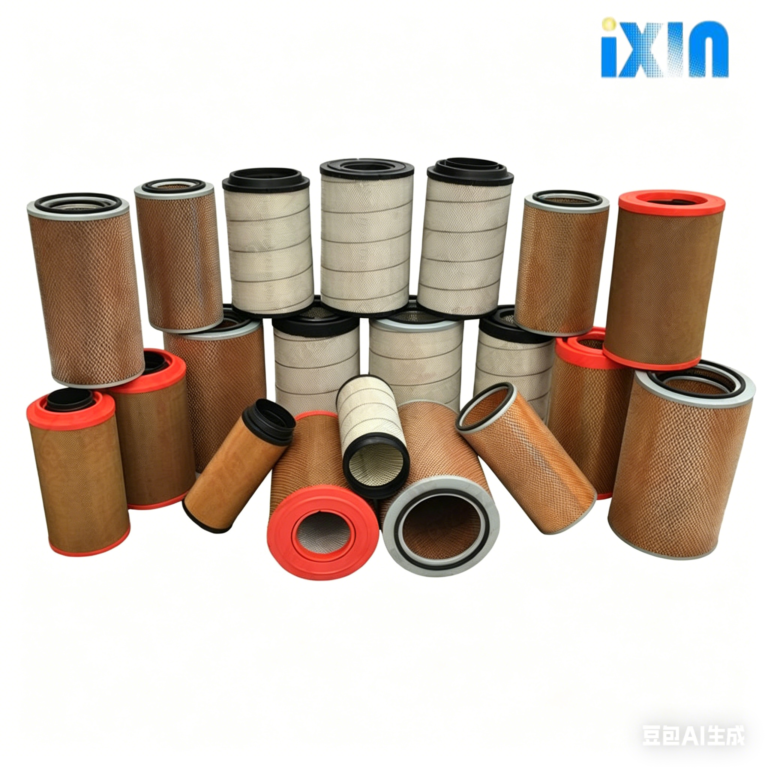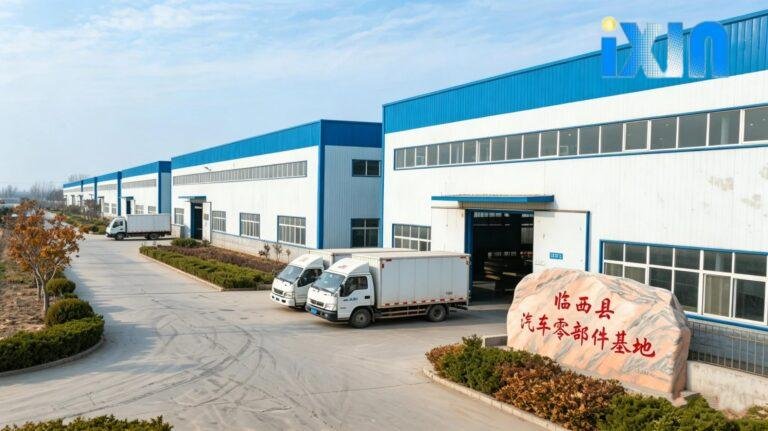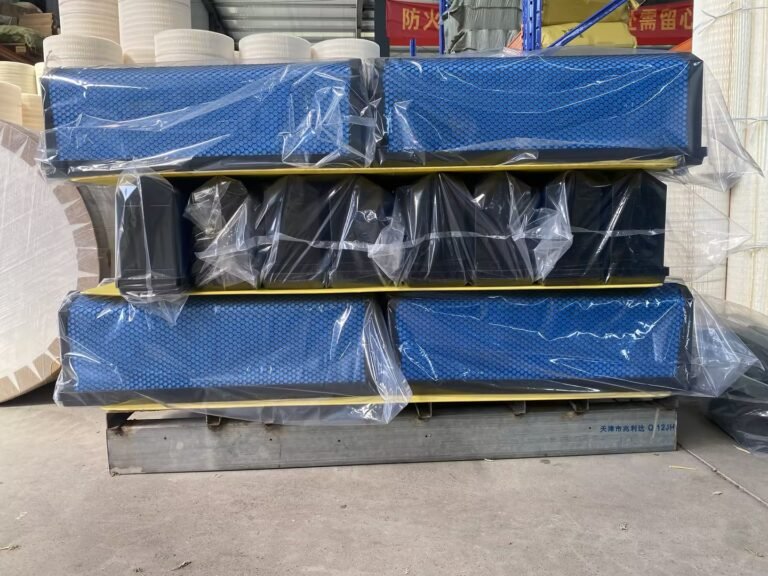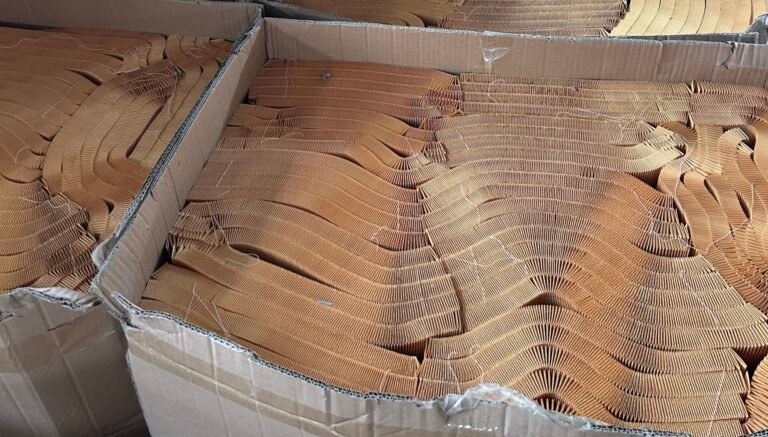
For distributors, fleet operators and workshops, deciding who supplies your oil filters affects more than just cost — it shapes quality consistency, how quickly problems get resolved, and how much control you have over your own product line. Working directly with an OEM oil filter factory — rather than a trading company or generic reseller — comes with concrete, practical advantages. Here are seven worth considering.
1. Tighter Quality Control Over Critical Components
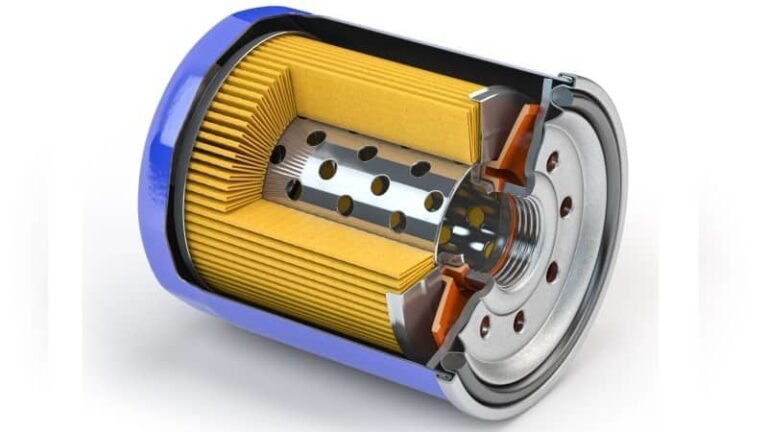
An OEM oil filter factory manages the entire production process in-house — media selection, canister forming, valve assembly and final testing — rather than outsourcing steps to third parties. As IBM’s overview of OEM manufacturing notes, working with an established OEM typically means increased quality control, since manufacturers follow strict production standards and testing procedures. For oil filters specifically, that matters most for components like the anti-drain valve and bypass valve, where inconsistent assembly can directly affect engine protection.
2. Access to Private Label and Custom Packaging
Going direct to an OEM oil filter factory typically opens the door to private label runs, custom box design, and media specification adjustments for specific climate or application requirements — flexibility that trading companies often can’t offer because they don’t control production.
3. More Competitive Bulk Pricing
Because an OEM oil filter factory isn’t paying a markup to a separate manufacturer, bulk and OEM order pricing is generally more competitive than buying through a middleman. For distributors and workshops placing recurring, high-volume orders, that per-unit savings compounds significantly over a year.
4. Direct Access to Test Data, Not Just Marketing Claims
A factory that actually manufactures oil filters can usually provide real test data — burst pressure results, anti-drain valve performance, filtration efficiency by micron rating — rather than generic marketing language about “premium quality.” This matters when you need to justify a sourcing decision to your own customers or verify a filter meets a specific OE performance benchmark. Our checklist for choosing an oil filter factory covers exactly what test data to ask for.
5. Better Traceability for Quality Issues
If a quality issue does arise — a valve that doesn’t seal, a filter that fails prematurely — an OEM oil filter factory that controls its own production can trace it back to a specific batch, raw material lot, or production shift. A trading company usually can’t offer this level of visibility because they don’t have direct access to manufacturing records.
6. More Reliable Cross Reference Verification
A factory manufacturing its own filters is generally better positioned to verify OE cross reference numbers — thread size, gasket diameter, bypass valve pressure setting — against actual dimensional drawings and physical samples, rather than copying cross reference charts from other websites. Our fuel filter cross reference guide walks through what proper verification looks like from the buyer’s side; the same logic applies directly to oil filters.
7. Long-Term Partnership Potential
Trading company relationships tend to be transactional. An OEM oil filter factory relationship has more room to develop over time — negotiated pricing tiers as volume grows, priority scheduling during peak seasons, and closer collaboration if your market needs a filter specification that doesn’t exist yet. For buyers planning a multi-year sourcing strategy, this generally pays off more than switching suppliers order to order.
Is an OEM Factory Always the Right Choice?
Not necessarily for every buyer. If your order volumes are small and infrequent, a trading company’s ability to source small, mixed-brand orders from multiple factories might suit you better than a single factory relationship with MOQ requirements. The right choice depends on your order volume, how much customization you need, and how much visibility you want into your own supply chain.
Considering a direct factory relationship for your oil filter sourcing? Browse our oil filter catalog, review our checklist for choosing an oil filter factory, or contact our sales team to discuss your requirements directly.