
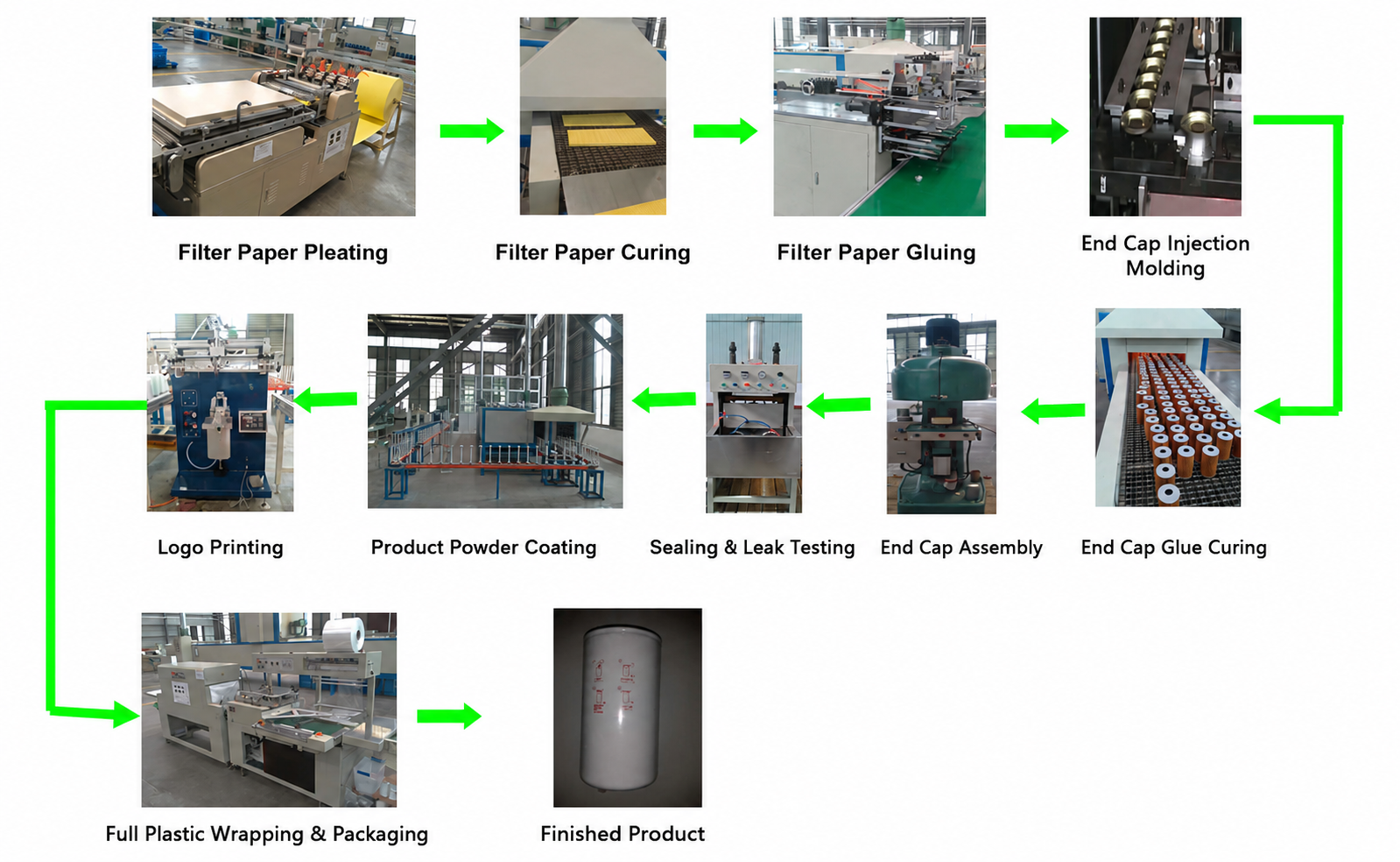
Private label truck filters let a distributor sell a dependable product under its own name instead of competing on the same brands as everyone else. Done well, private label truck filters build customer loyalty and give you more control over range, pricing and quality. Done badly, they leave you with unsold stock, a brand you cannot defend and complaints that land on your desk. This guide covers what distributors need to settle before launching private label truck filters: brand, packaging, labels, testing and supplier terms.
This article is general information, not legal advice. Check marking, trademark and labeling questions with your customs broker and attorney.
What Private Label Truck Filters Are and What You Take On
Private label truck filters are filters made by a manufacturer and sold under your brand. You choose the models, the packaging and the brand name, and the factory builds the product. They differ from selling another company’s branded filters in one important way: once your name is on the box, you are the brand owner. Customers will come to you with fit problems, warranty claims and quality complaints, and you are the one who must answer them.
That also means private label truck filters are not copies of anyone else’s brand. Cross-reference numbers are a normal way to show what a filter replaces, but your brand name, logo and packaging should be your own and should not imitate an engine maker or a competing filter brand.
Why Distributors Choose Private Label Truck Filters
Distributors usually move to private label for four reasons:
- Margin control: you are no longer pricing against the same branded part number as every competitor.
- Customer loyalty: buyers who trust your brand come back to you, not to the cheapest listing.
- Range control: you decide which models to carry and how to package them, including service kits.
- Consistency: a single brand across air, oil, fuel and cabin filters makes your range easier to sell.
The trade-offs are real. You carry the stock, you carry the quality risk, and you typically have to meet minimum order quantities per model. The steps below help you manage them.
Step 1: Define the Range for Your Private Label Truck Filters
Start small. A first range of private label truck filters should cover the fast-selling models your customers already buy, not every part number in the catalog. Use your sales history and the engine platforms in your market to pick the core models, and add slower models later. Our guides on building a profitable truck filter product line and on which truck filter models US distributors should stock explain how to choose them.
Decide early whether you want one quality level or two, for example a value line and a premium line. Whatever you choose, each level should stay consistent from batch to batch.
Step 2: Choose and Protect Your Brand Name
A brand name for private label truck filters should be distinctive, easy to say and free to use. Before you print anything, search the federal trademark register. The USPTO advises searching its database before filing an application to see whether anyone already claims rights in a similar mark. Trademark rights in the United States can also arise from actual use, so a search should look beyond the federal register as well. For a mark you plan to build a business on, consider having a trademark attorney run a fuller search.
Two practical points apply to private label truck filters:
- Avoid names that echo existing filter brands or engine makers. A confusing name invites complaints and can force a costly rebrand.
- Be careful with American-sounding names. If your brand name or packaging includes a US place name, “United States” or “America” on an imported product, extra country-of-origin marking rules apply (see Step 4).
Decide who owns the artwork and the brand files, and keep copies yourself.
Step 3: Plan Packaging, Labels and Barcodes
Packaging does two jobs for private label truck filters: it protects the filter in transit and it sells your brand. A damaged or poorly printed box undermines the product inside, so ask your supplier about carton strength, inner protection and print quality, and approve a printed sample before the full run.
Plan the label content in advance:
| Element | Where | Notes |
|---|---|---|
| Brand name and logo | Filter and box | Cleared by your trademark search |
| Part number | Filter and box | Keep it identical on both and in your catalog |
| Product type and size | Box | For example “oil filter, spin-on” |
| Country of origin | Filter or box | Required for imports (see Step 4) |
| Barcode (UPC) | Box | One per product variation |
| Batch or date code | Filter and carton | Allows traceability when a complaint arrives |
| Warnings, if required | Box | Check with counsel (see Step 4) |
| Reference numbers | Box or catalog | For identification only, with a disclaimer; no other brand’s logos |
| Installation notes | Box insert | Optional but useful |
Barcodes: a UPC that scans at retail should carry a company prefix licensed from GS1 US, the organization that issues them. Barcodes generated elsewhere may be rejected by retailers and online marketplaces. You need a separate number for each product variation. If a barcode is only for internal inventory use and you are not selling through retailers, a GS1-issued number is not always required.
Step 4: Check US Marking and Compliance Rules for Private Label Truck Filters
Imported private label truck filters must meet US marking and compliance rules before you sell them. Three areas deserve attention.
Country of origin marking. US customs law requires imported articles, or their containers, to be marked in a conspicuous place with their country of origin, legibly, indelibly and permanently as the nature of the article allows. Unmarked goods can lead to extra duty and the cost of marking or re-exporting under customs supervision, according to published guides to the rules. Agree with your supplier whether the mark goes on the filter, the box or both, and confirm the wording with your customs broker. If your brand name includes a US place name or “America”, ask the broker about the additional rules.
Warnings. California’s Proposition 65 can require “clear and reasonable” warnings on consumer products that expose people to listed chemicals. Law firm summaries note that obligations reach manufacturers, distributors, suppliers and retailers, and that a business can satisfy them by labeling the product or by giving written notice to the next party in the supply chain. Many US catalog listings for filters carry a Prop 65 notice. Whether your private label truck filters need one depends on their materials, so ask your supplier for material information and take legal advice.
Customs classification. Your broker will confirm the correct tariff classification and current duties for oil, fuel and air filters. Rules and duties on imported parts have changed repeatedly, so calculate landed cost before setting prices.
Step 5: Test Private Label Truck Filters Before You Commit
Your name is on the filter, so test it before you sell it. A sensible sequence looks like this:
- Check fit and finish. Compare dimensions, thread or seal type, pleat spacing, end-cap bonding and gasket quality against the filter you are replacing.
- Ask for test data. Filtration performance is usually described using recognized test methods. ISO 4548-12 covers full-flow oil filters and uses a multi-pass test with online particle counting to measure contaminant capacity, particulate removal and differential pressure. ISO 19438 does the same for diesel fuel and petrol filters, and ISO 5011 covers air cleaners, including airflow restriction, dust collection efficiency and dust capacity.
- Benchmark. Ask for the same test on your sample and on the filter you want to match, so that you can compare like with like.
- Run field trials. Give samples to a few trusted workshops or fleets and collect feedback before the first big order.
- Keep an approved sample. Retain a signed-off sample from the supplier and use it as the reference for every later batch.
Test reports prove only what they measure, so ask which standard and conditions were used. The filter paper matters too, and our article on how high-quality filter paper improves truck air, oil and fuel filter performance explains what to ask about media.
Step 6: Agree Supplier Terms for Private Label Truck Filters
A supplier of private label truck filters is a long-term partner, so settle the terms in writing.
| Topic | What to agree |
|---|---|
| MOQ | Per model, per order, or mixed models in one order |
| Lead time | Stock items versus custom-packed or made-to-order items |
| Artwork | Who prepares it, proof approval before printing, and who owns the files |
| Samples | Pre-production sample approval and an approved reference sample |
| Exclusivity | Whether the supplier sells the same packaging or brand to others |
| Changes | No change to materials, paper or dimensions without notice and approval |
| Traceability | Batch or date codes on filters and cartons |
| Inspection | How quality is checked before shipment and what happens to defective lots |
| Claims | Who is responsible for defects, and how complaints are handled |
| Documents | Specifications, cross-reference data, test reports, packing lists and origin documents |
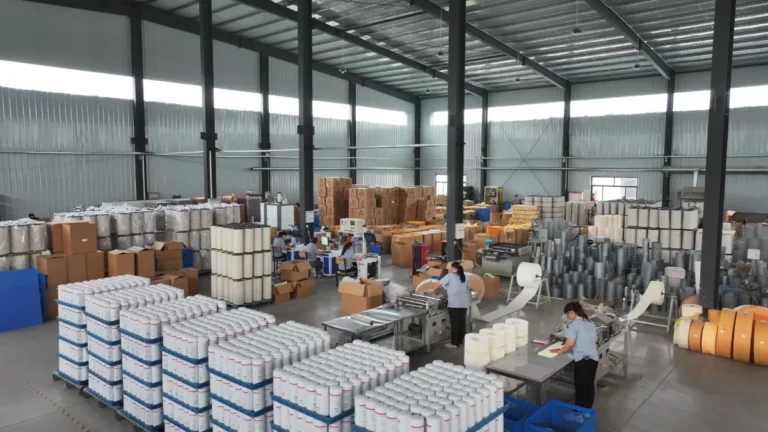
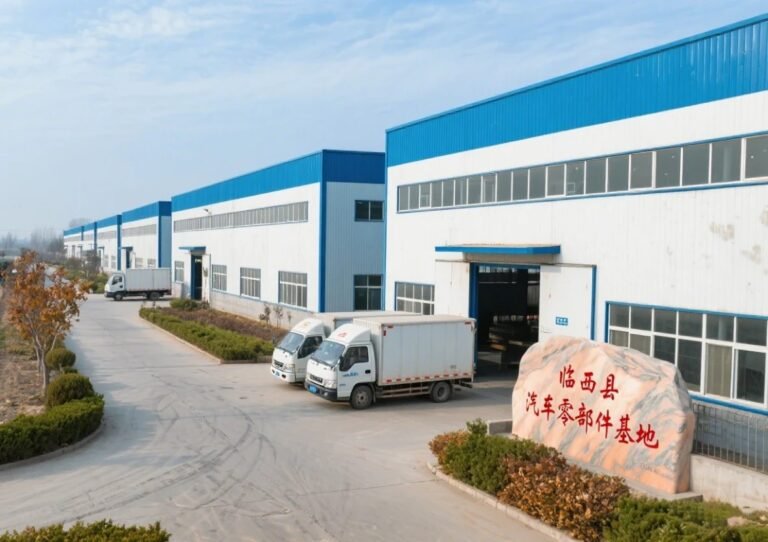
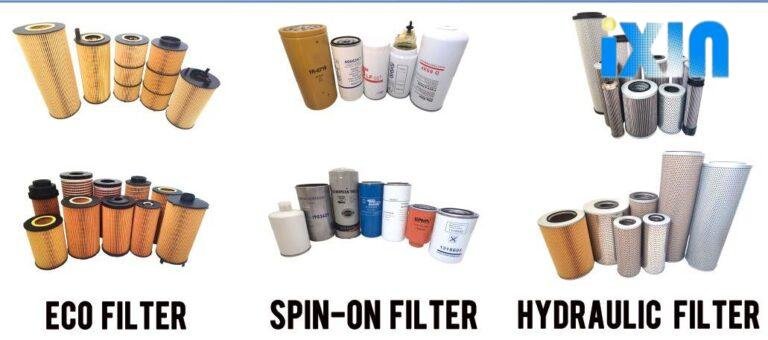
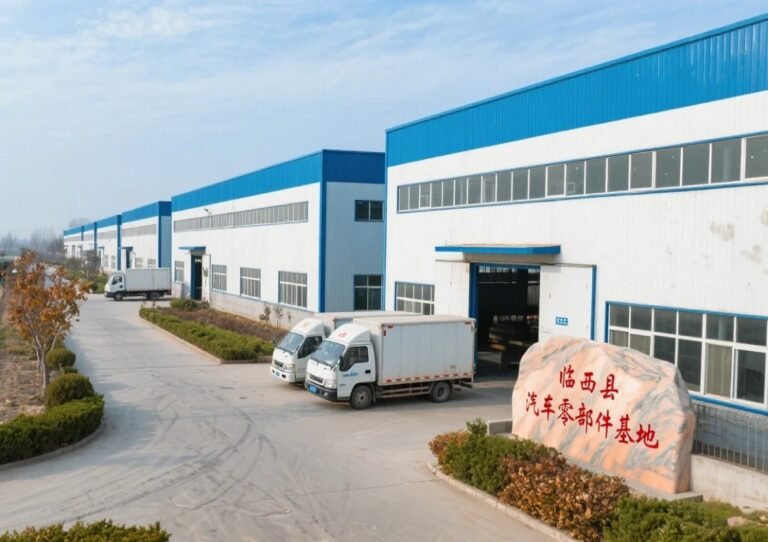
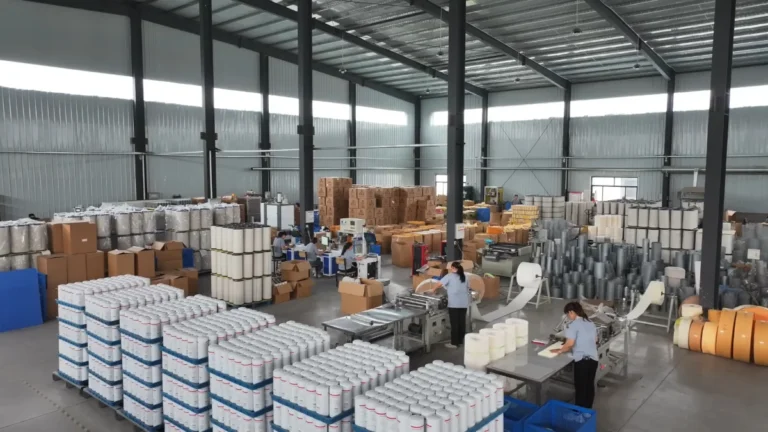
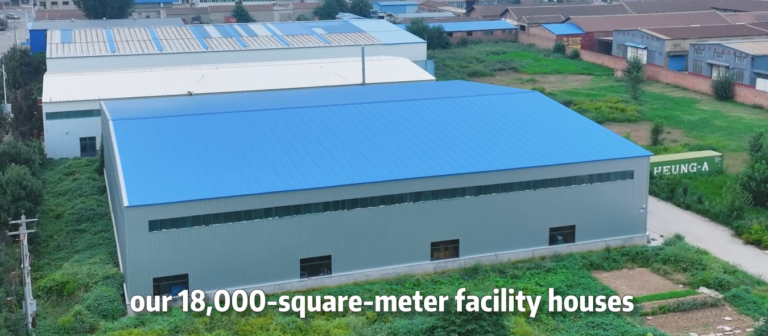
IXIN manufactures filters in its own factory in Linxi County, Hebei, and supports customization of filter paper quality, metal thickness and packaging for your market. In-stock items usually ship in 5 to 10 days, and made-to-order items take 15 to 45 days, depending on quantity. Confirm the lead time for custom-packed orders when you plan your launch.
Step 7: Launch Private Label Truck Filters in Stages
Do not launch your whole range at once. Start with a pilot of the models that sell fastest, then track sell-through, returns and complaints for a few months. Use that evidence to fix any packaging, labeling or quality issues before you add models. Expand the range in stages, and keep a record of every batch so that a complaint can be traced back to its source.
Common Mistakes With Private Label Truck Filters
- Choosing a brand name without a trademark search.
- Launching too many models at once, which ties up cash in slow stock.
- Skipping the origin mark or barcode work, which can delay customs clearance or retail listings.
- Relying on a supplier’s word instead of test data and approved samples.
- Leaving ownership of artwork and exclusivity unclear.
- Ignoring warranty and claims terms until the first complaint arrives.
- Using another brand’s logo or imitating its packaging.
FAQ
Q: How many models should I start with for private label truck filters?
A: There is no fixed number. Start with the fast-selling models for the engines your customers run, and expand from sales data.
Q: Do I need to register my trademark before I launch private label truck filters?
A: At minimum, search before you print. Rights can arise from use, but registration gives stronger protection, so discuss it with a trademark attorney.
Q: Can I print OE or competitor part numbers on my packaging?
A: Reference numbers are commonly used for identification, but do not use other brands’ logos or imply the products are the same. Add a disclaimer and ask your attorney about wording.
Q: Who is responsible for warranty claims?
A: As the brand owner you face the customer, so agree with your supplier in advance how defective lots and claims are handled.
Q: What are the MOQ and lead time?
A: In-stock goods generally ship in 5 to 10 days, and made-to-order items take 15 to 45 days. Get in touch with us for MOQ on the models you need.
Q: Can IXIN support private label truck filters?
A: Yes. We support customized packaging, filter paper quality and metal thickness. Send us your target models and requirements.
Ready to plan your private label truck filters? Send us your target market, the models you want to start with and your packaging ideas, and we will reply with specifications and a quotation. You can also browse our air filters, oil filters and fuel filters, and read our filter cross reference guide.
Email: sales@ixinfilters.com | WhatsApp: +86 18833443345 | Get a quote
One Comment