10 Ways Filter Paper Quality Affects Truck Filter Performance
When fleet managers and distributors evaluate truck filters, they usually focus on the housing, the seal, or the price tag. But the single most important factor determining how well a filter actually performs is something most buyers never see: the filter paper (filter media) itself.
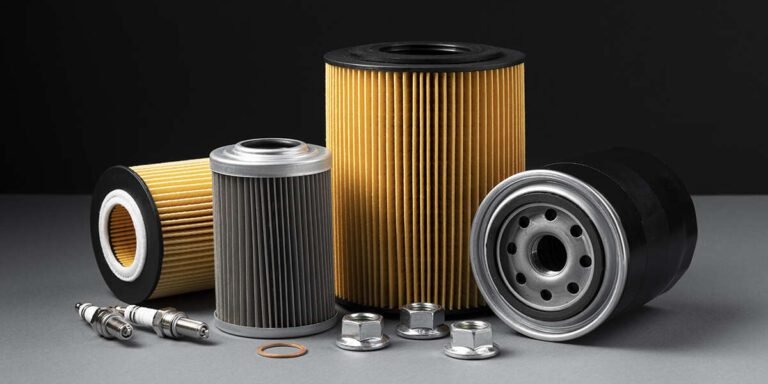
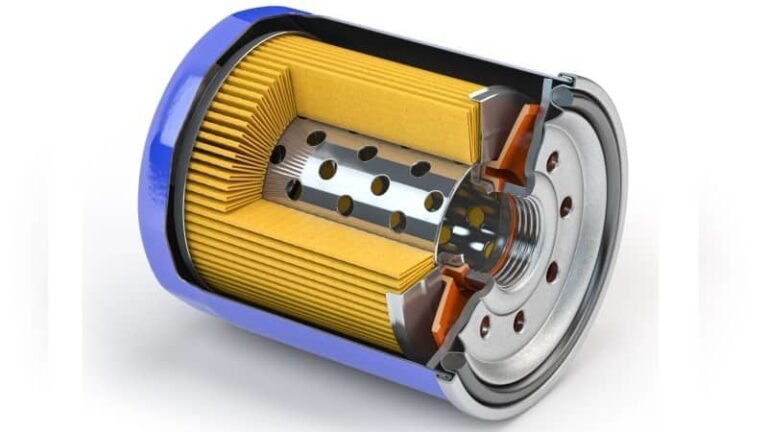
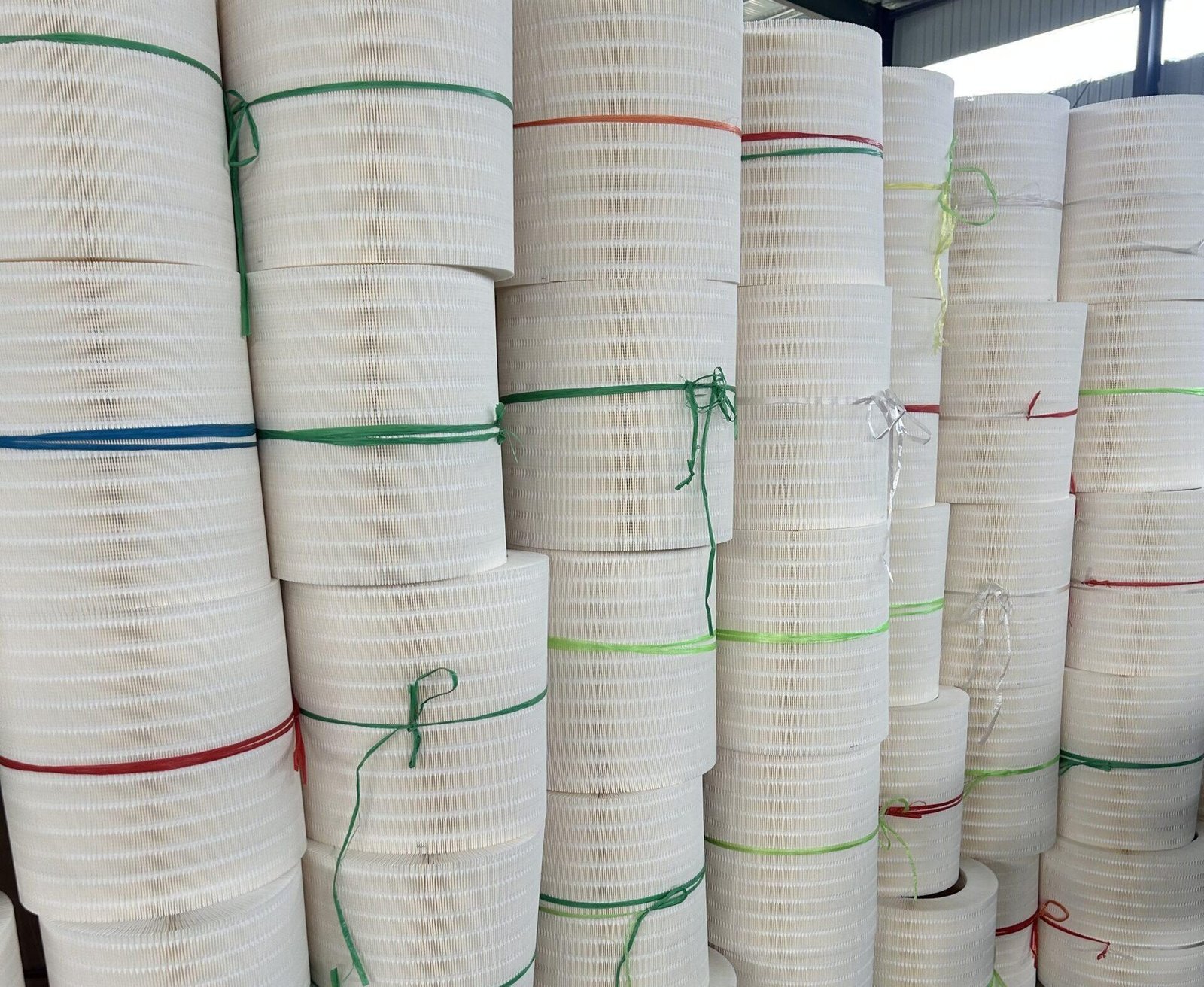
Filter paper is the heart of any air filter, oil filter, or fuel filter. Its fiber structure, density, and treatment determine how much dirt it can trap, how long it lasts, and how much airflow or oil flow it allows through. Low-quality filter paper is one of the leading causes of premature engine wear, unexpected breakdowns, and higher total cost of ownership for commercial trucks.
In this guide, we break down the 10 most important ways filter paper quality affects real-world truck filter performance — and what to look for when sourcing filters for your fleet or distribution business.
1. Filtration Efficiency
The most direct impact of filter paper quality is filtration efficiency — the percentage of contaminant particles the media can capture before they reach the engine. High-grade cellulose or synthetic blend filter paper is engineered with a precise fiber structure that traps fine dust, soot, and debris particles as small as a few microns. Cheaper, inconsistent paper leaves gaps in the fiber matrix, allowing harmful particles to pass through and accelerate wear on pistons, cylinders, and injectors.
2. Dust-Holding Capacity
Filtration efficiency alone isn’t enough; the paper also needs sufficient dust-holding capacity to stay effective over time. High-quality filter paper is designed with a pleated, high-surface-area structure that can hold more contaminants before airflow is restricted. Low-quality media saturates quickly, causing the filter to clog early and forcing more frequent replacement — a real cost issue for fleets running long routes or operating in dusty environments like construction sites and mining operations.
3. Airflow Resistance (Pressure Drop)
Every filter creates some resistance to airflow or fluid flow, known as pressure drop. Well-manufactured filter paper is optimized to keep this resistance low while still capturing contaminants effectively. Poor-quality paper often has uneven fiber density, creating higher and less predictable pressure drop. This forces the engine to work harder to draw in air or push oil through the filter, reducing fuel efficiency and engine responsiveness.
4. Structural Strength and Pleat Stability
Filter paper isn’t just about filtration — it also has to hold its shape under constant vibration, pressure fluctuations, and temperature changes on the road. High-quality paper maintains stable, evenly spaced pleats that maximize surface area. Inferior paper can sag, collapse, or tear under sustained pressure, especially in heavy-duty trucks and off-road machinery, leading to sudden filtration failure rather than gradual wear.
5. Moisture and Oil Resistance
Truck filters are exposed to humidity, condensation, and in the case of oil and fuel filters, direct contact with liquids. Quality filter paper is treated with resin or specialized coatings to resist moisture absorption and swelling. Untreated or low-grade paper can weaken, deform, or break down when exposed to moisture and oil, which is a common cause of filter media disintegration and internal engine contamination.
6. Consistency Across Production Batches
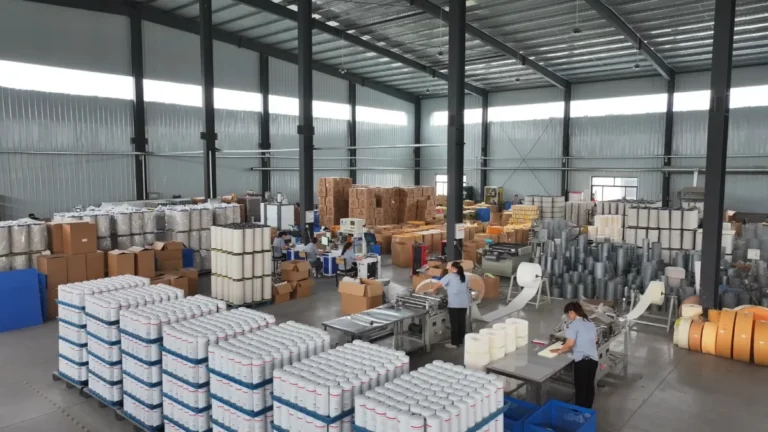
One overlooked aspect of filter paper quality is batch-to-batch consistency. A reputable manufacturer tests raw filter media before production and monitors fiber density, thickness, and porosity across every batch. Inconsistent paper sourcing means some filters in a shipment may perform well while others fail early — a serious risk for distributors trying to maintain a reliable brand reputation with fleet customers.
7. Compatibility with OEM Filtration Standards
Truck engines are engineered around specific OEM filtration specifications, including micron rating, flow rate, and burst strength. High-quality filter paper is manufactured and tested to match or exceed these OEM standards, ensuring the replacement filter performs equivalently to the original part. Filters built with substandard paper may technically fit the housing but fail to meet the filtration performance the engine was designed around.
8. Filter Lifespan and Replacement Intervals
Filter paper quality has a direct effect on how long a filter lasts before it needs replacement. Premium filter media is engineered to maintain filtration performance throughout the full recommended service interval. Low-grade paper degrades faster, meaning the filter may need replacing well before the manufacturer’s suggested mileage or hours — increasing maintenance costs and vehicle downtime.
9. Engine Protection and Long-Term Wear
Ultimately, every point above feeds into one outcome: how well the engine is protected. Contaminants that bypass poor-quality filter paper accelerate wear on cylinders, bearings, injectors, and turbochargers. Over time, this leads to reduced engine performance, higher oil consumption, and shortened engine life — costs that far outweigh any savings from a cheaper filter.
10. Total Cost of Ownership for Fleets and Distributors
For fleet operators, filter paper quality is directly tied to total cost of ownership. Filters made with high-quality media may cost slightly more upfront, but they reduce unplanned downtime, extend engine life, and lower long-term maintenance expenses. For distributors, sourcing filters with consistent, high-grade filter paper reduces warranty claims and builds long-term trust with commercial fleet customers.
Why Filter Paper Quality Should Be Part of Every Sourcing Decision
Filter paper may be hidden inside the housing, but it determines nearly every performance outcome that matters — filtration efficiency, service life, engine protection, and cost of ownership. When evaluating a truck filter supplier, it’s worth asking specific questions about the filter media itself:
- What raw material and fiber composition is used?
- Is the paper resin-treated for moisture and oil resistance?
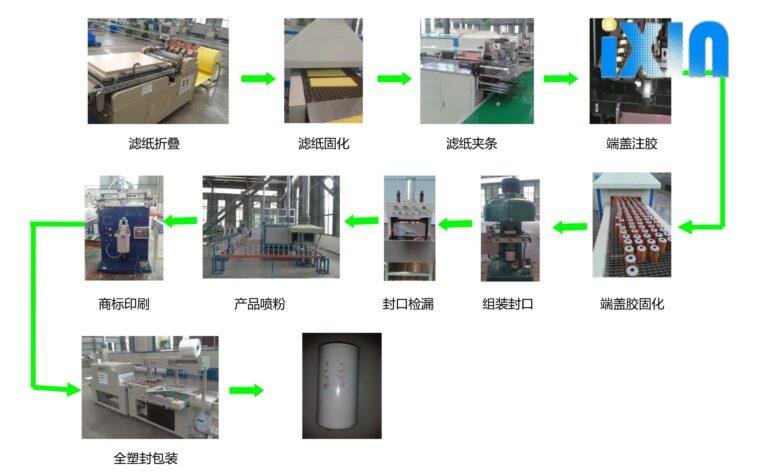
- What quality control checks are performed before production?
- Are filters tested against OEM filtration specifications?
At IXIN Filter, every batch of filter media is inspected before entering production, and our air filters, oil filters, fuel filters, and cabin air filters are manufactured to meet the performance standards heavy-duty trucks and commercial vehicles depend on. Whether you’re a fleet manager looking for reliable replacement filters or a distributor sourcing OEM and private-label filtration products, filter paper quality is the foundation we build every filter on.
Looking for a truck filter manufacturer that doesn’t compromise on filter media quality? Contact IXIN Filter to request a quote or product samples.